

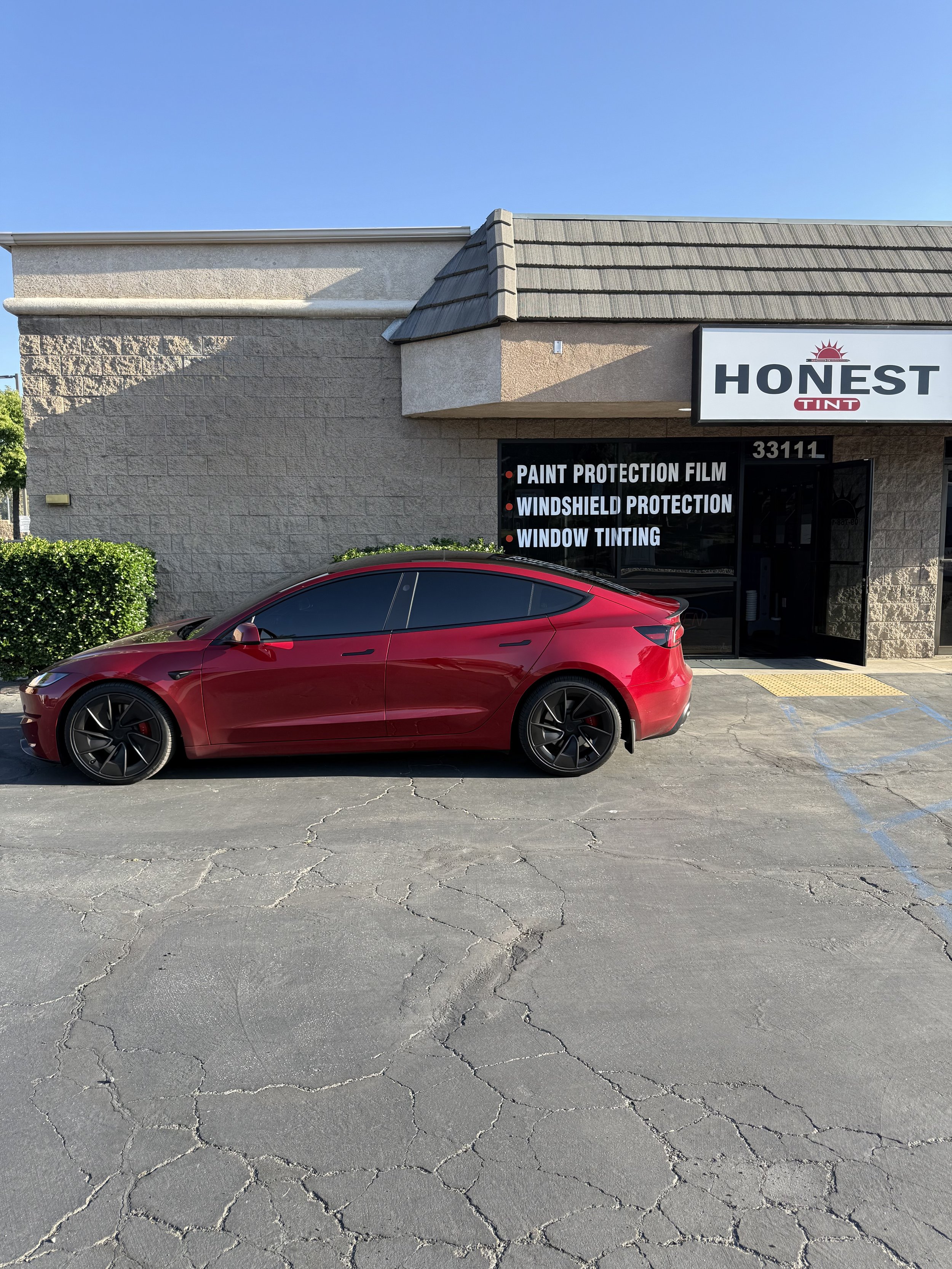
Award Winning Window Tint Installation
The film matters, who installs it matters more.
Premium Window Tinting with Autobahn Films and Expert Installation by Honest Tint
Why we choose Autobahn window film?
At Honest Tint we carry four films from Autobahn so we can match the right product to your specific needs. Whether you want maximum heat performance, a sleek blacked out look, or a color stable option there’s a Autobahn film for you. And because we’re Autobahn Authorized, you’re getting the genuine product.
Autobahn film is backed by a “No Hassle” lifetime warranty
At Honest Tint we register your Autobahn warranty for you and put a copy in your hands not just a receipt and a promise.
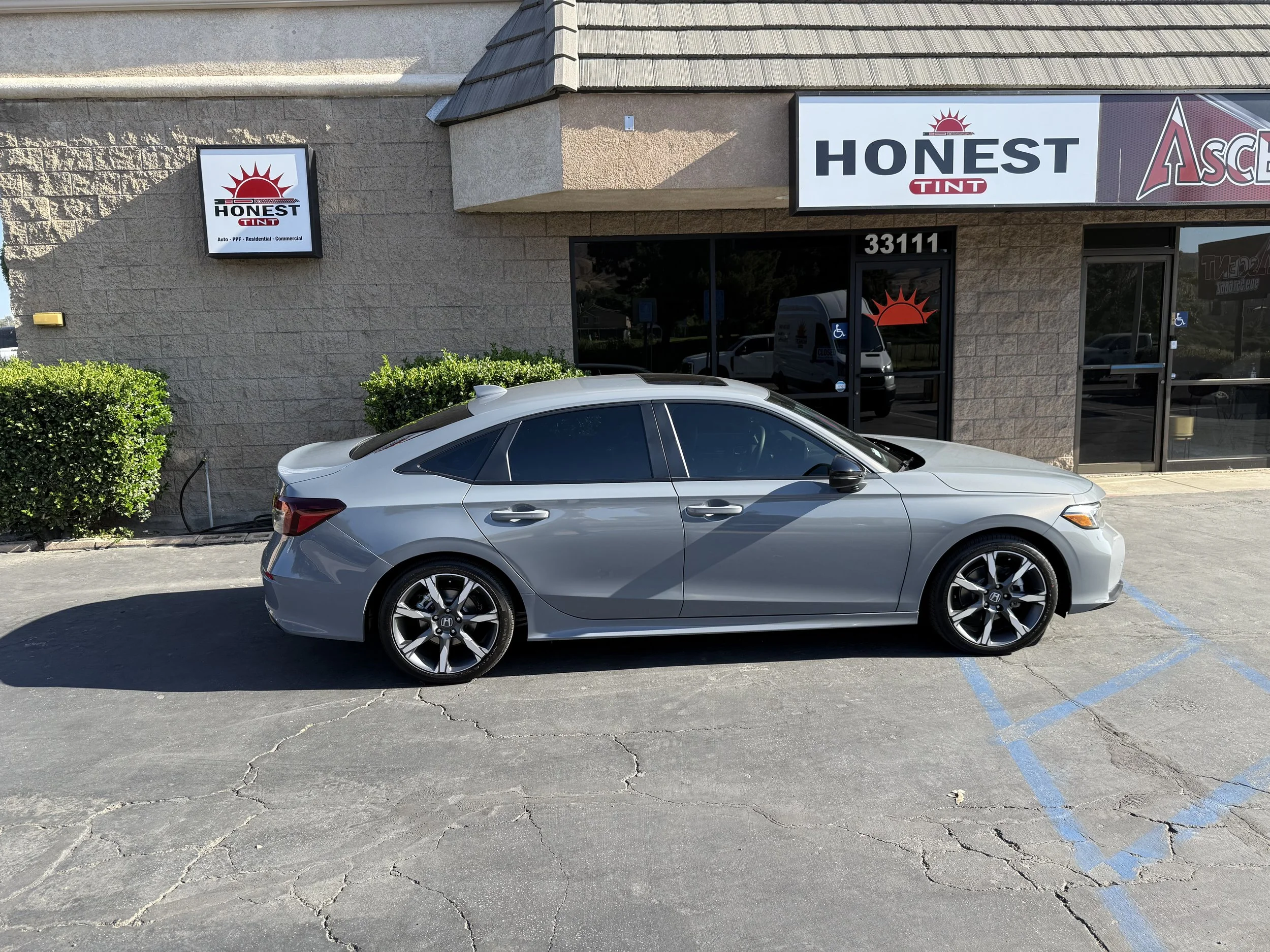
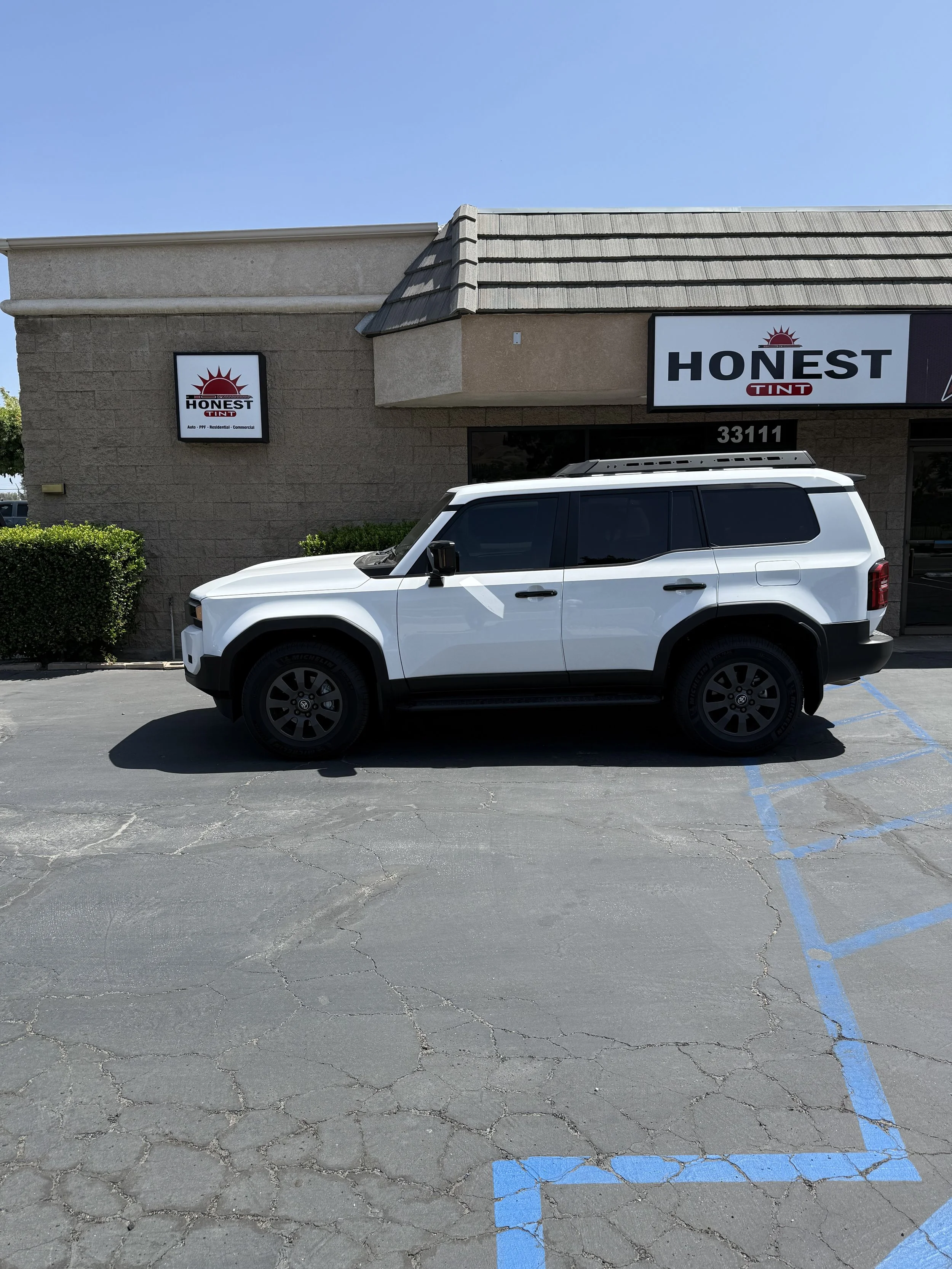

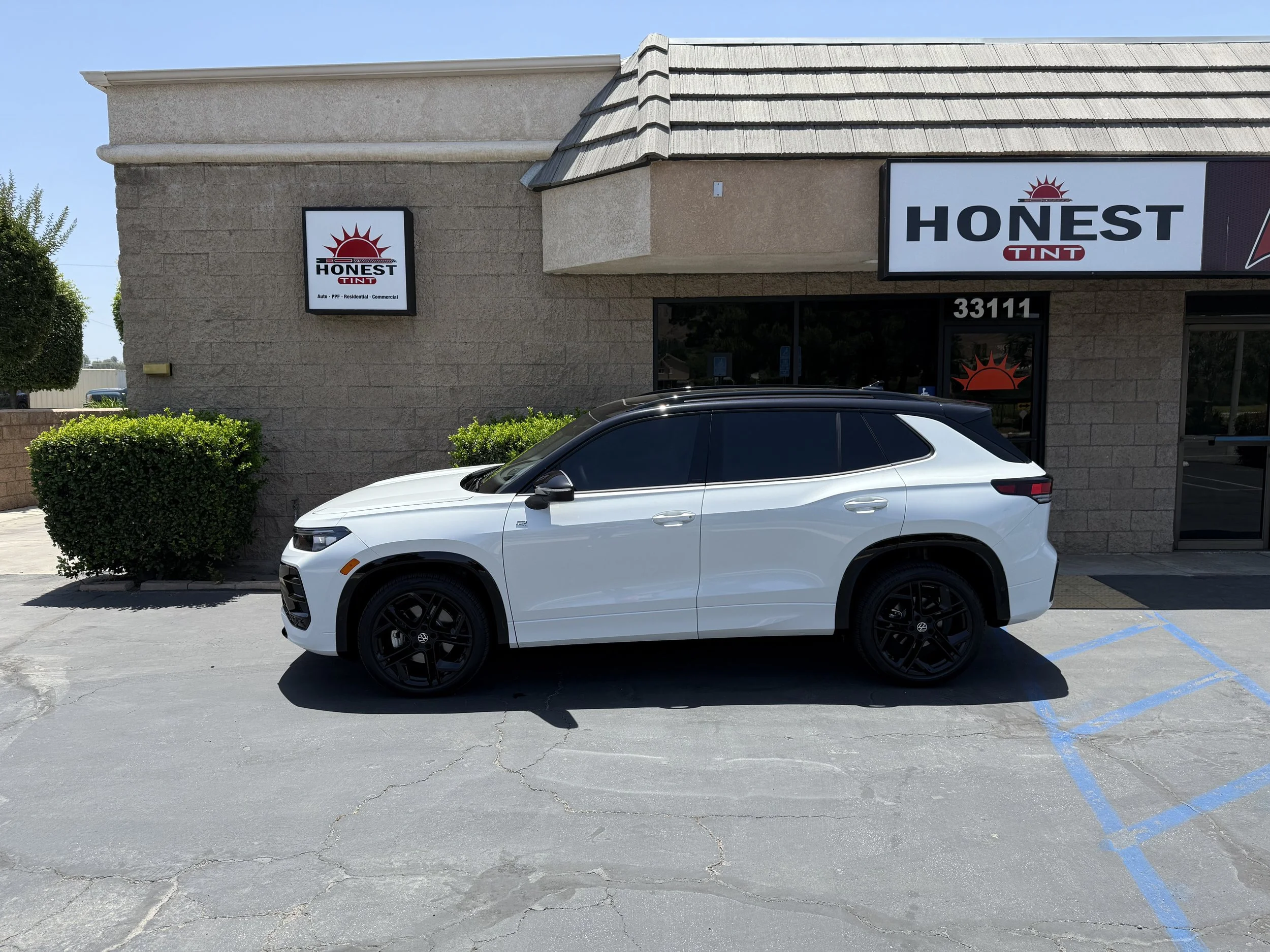


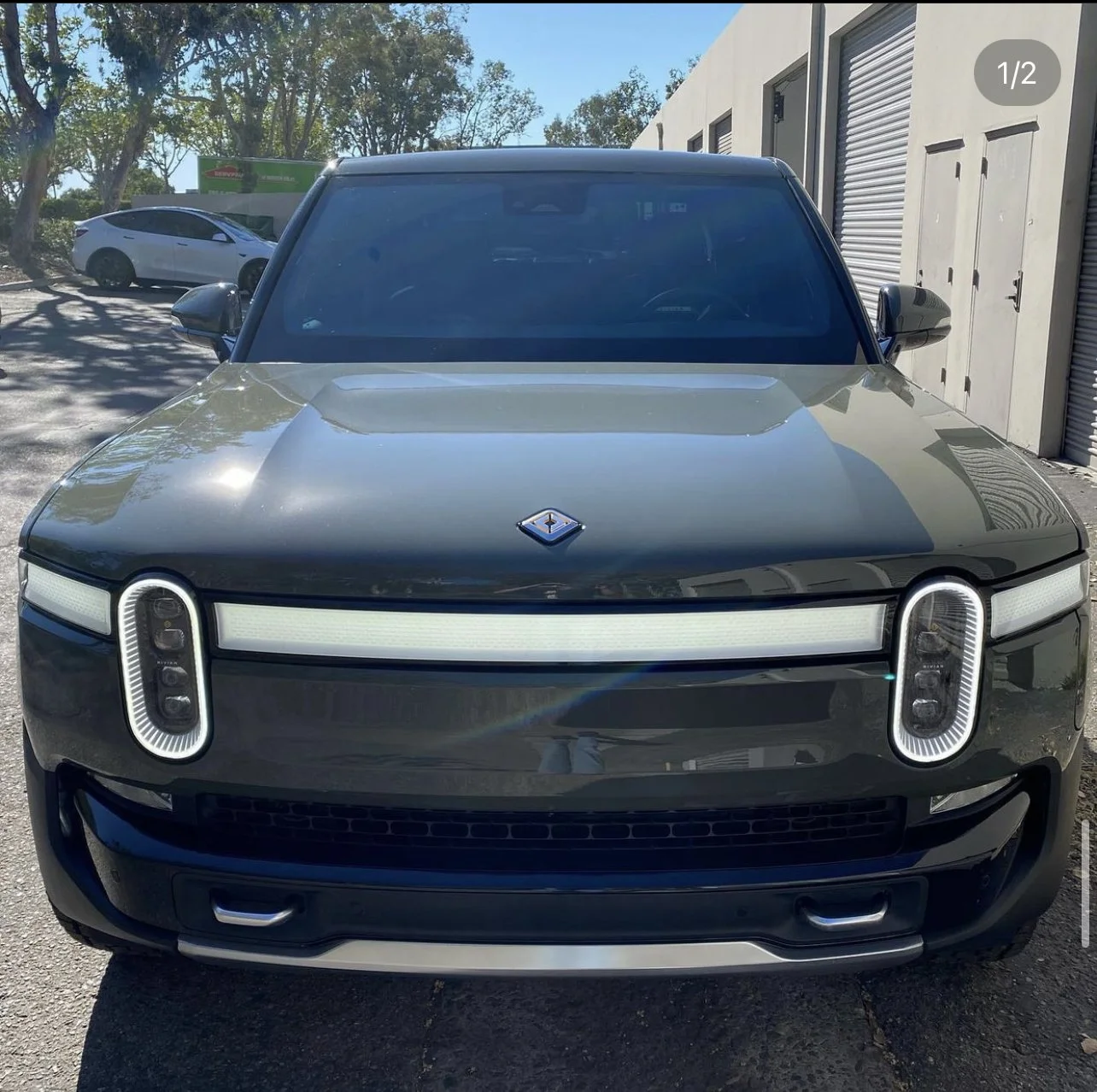


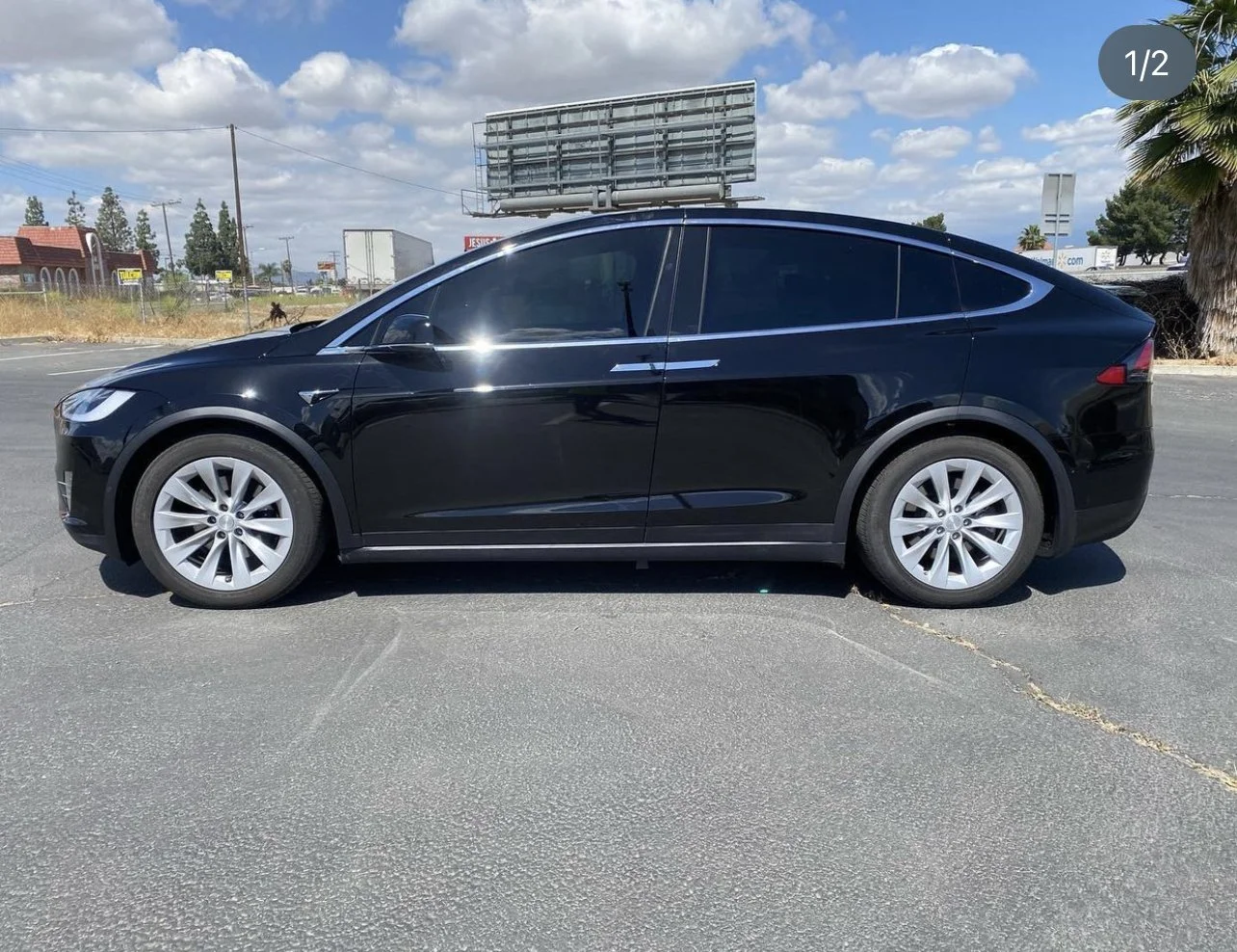


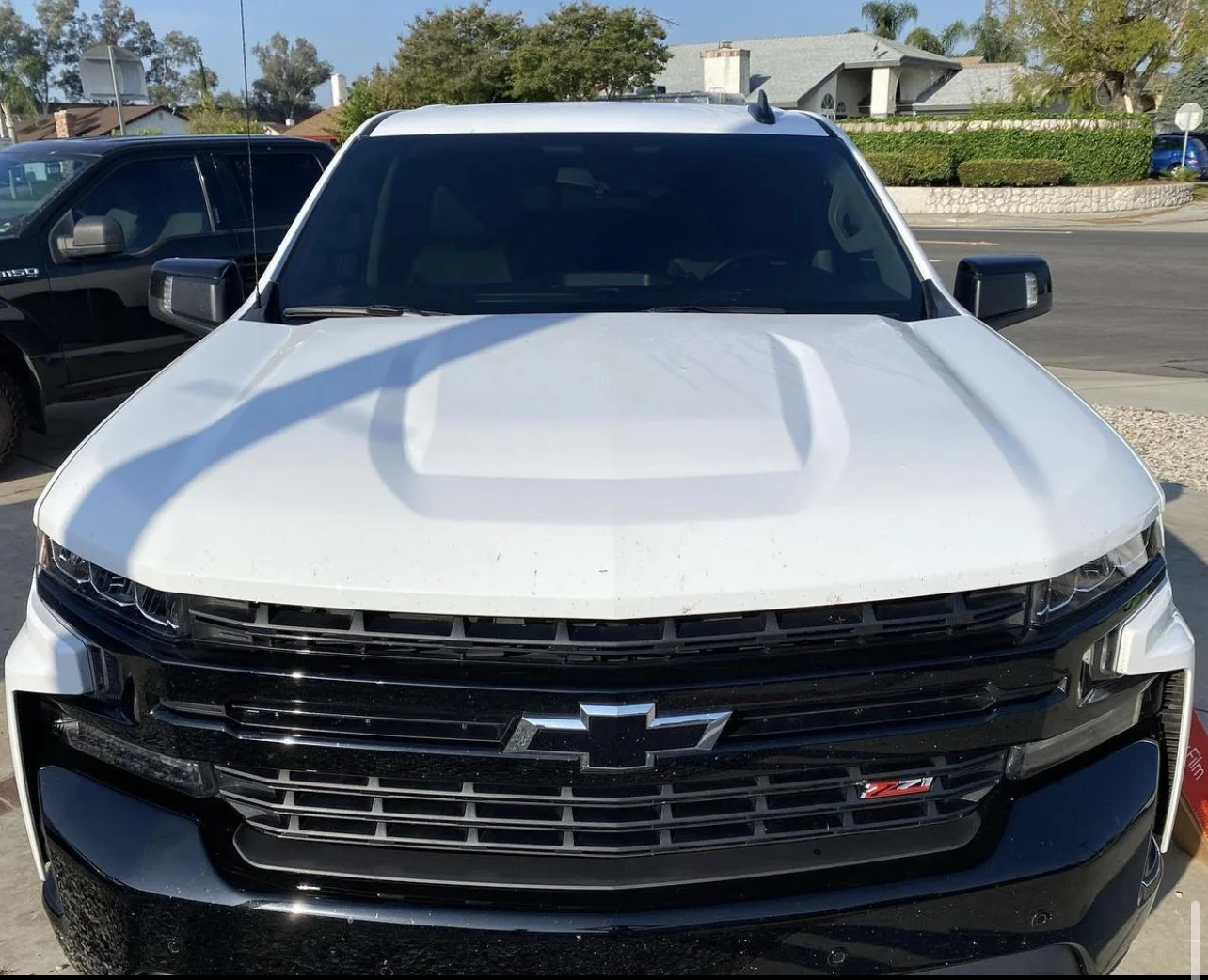


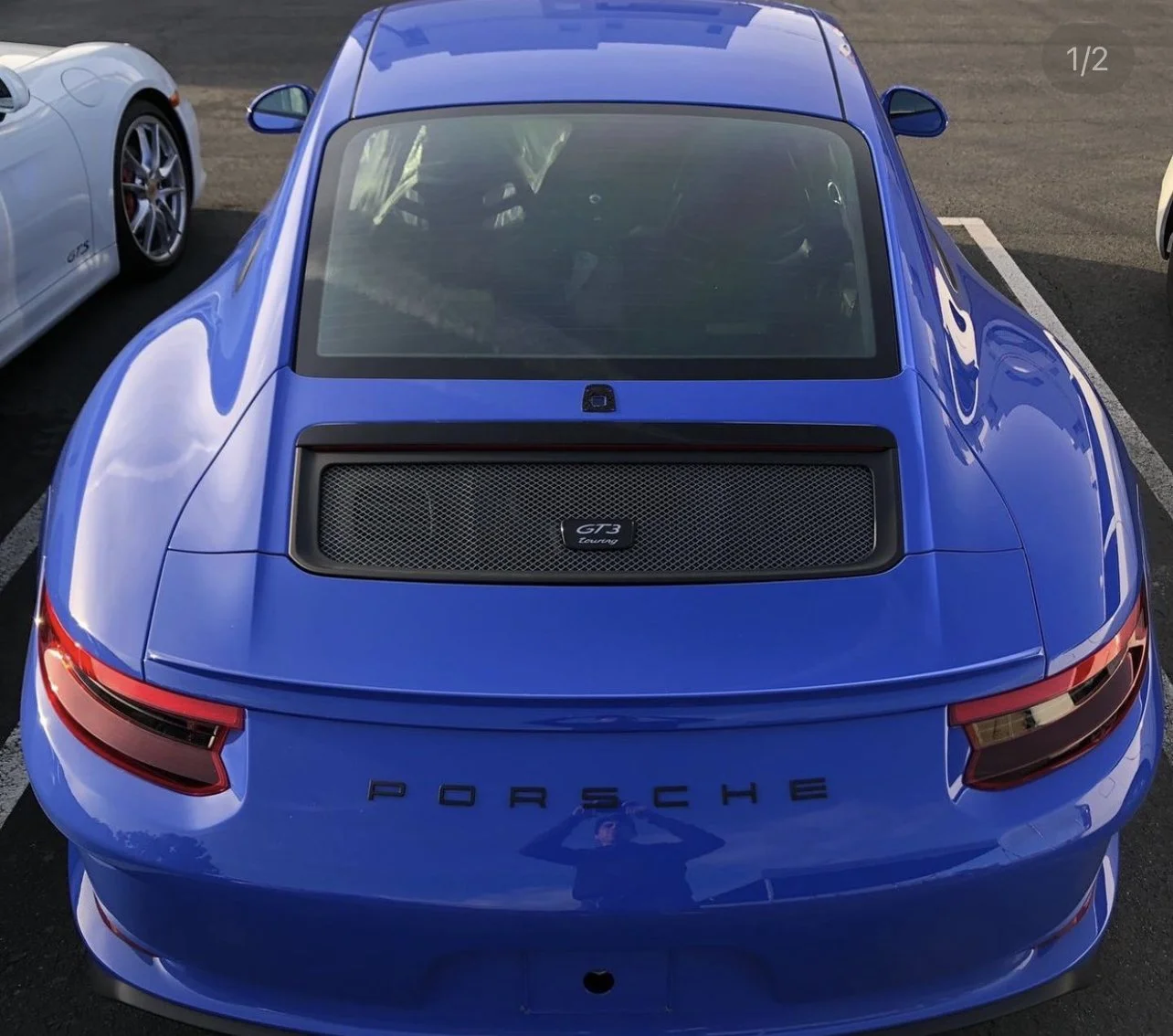

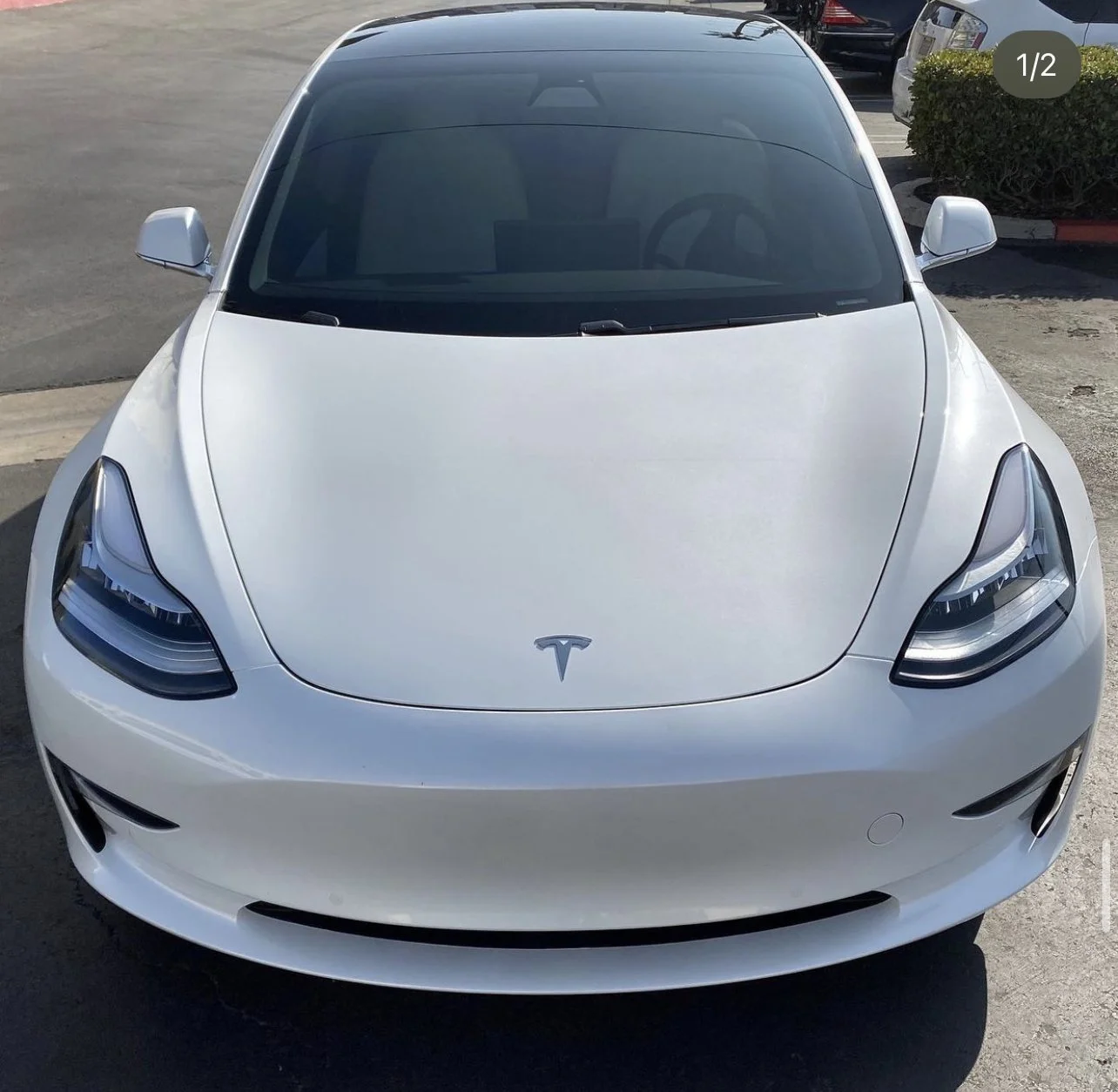
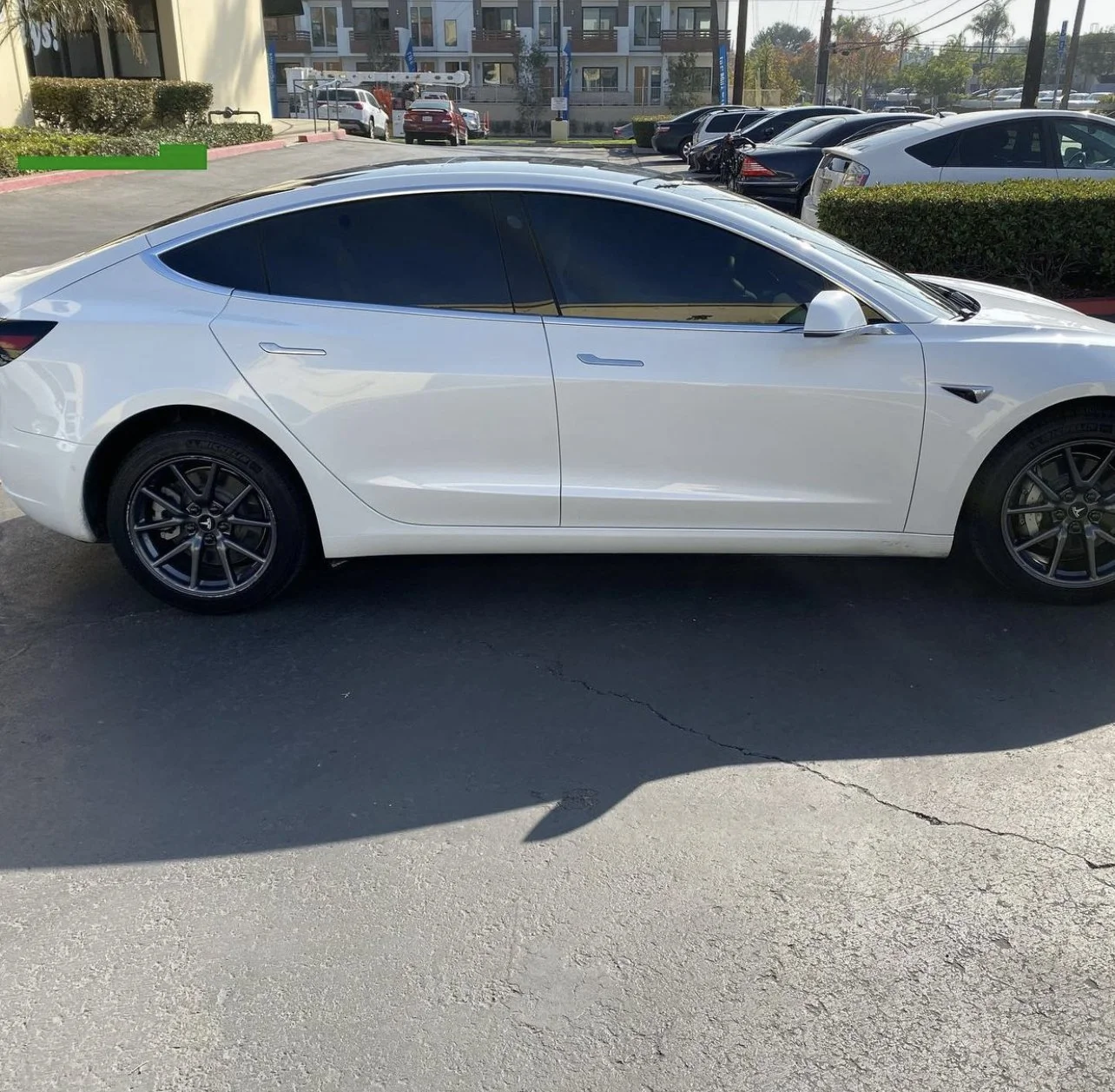
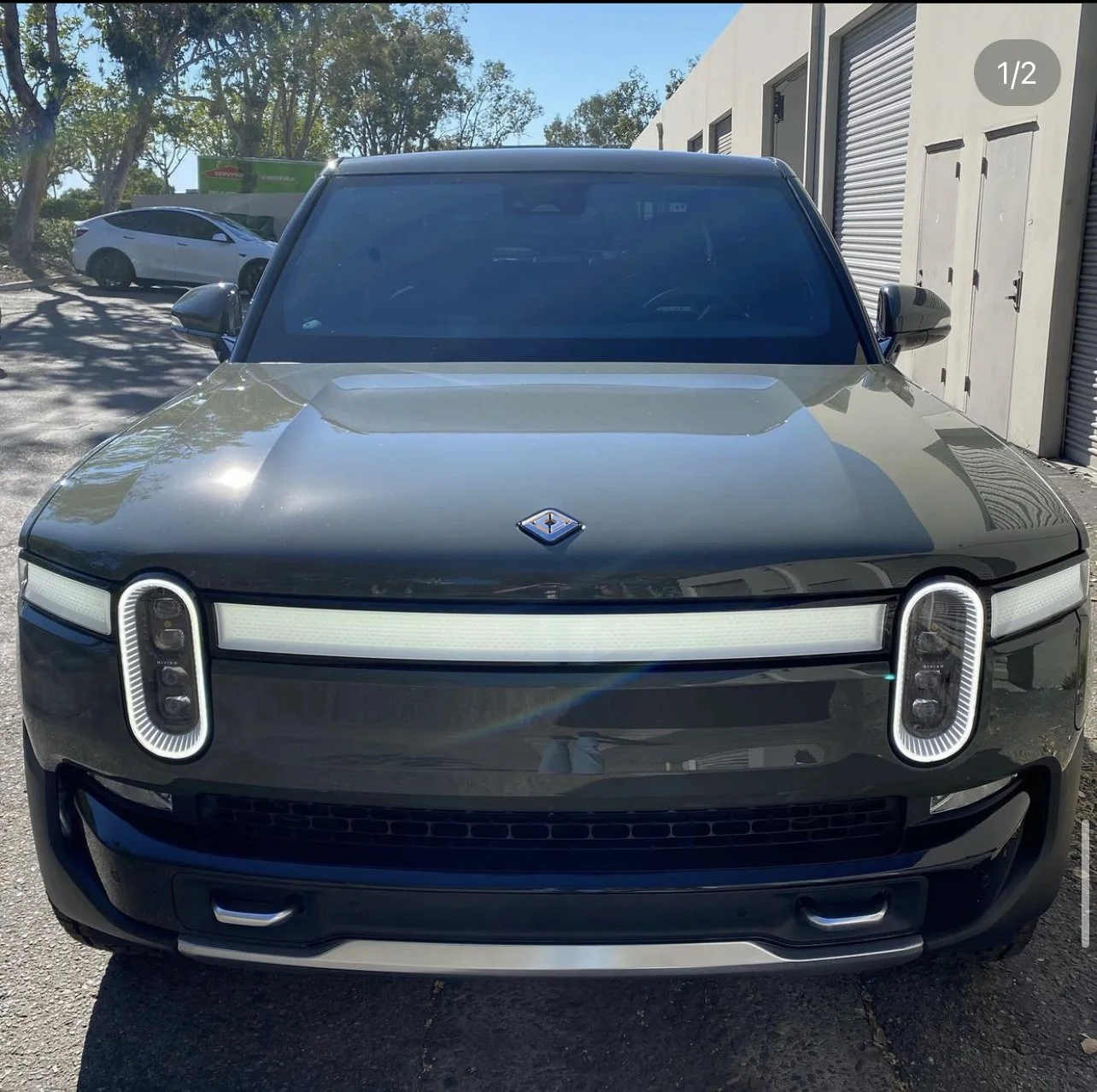


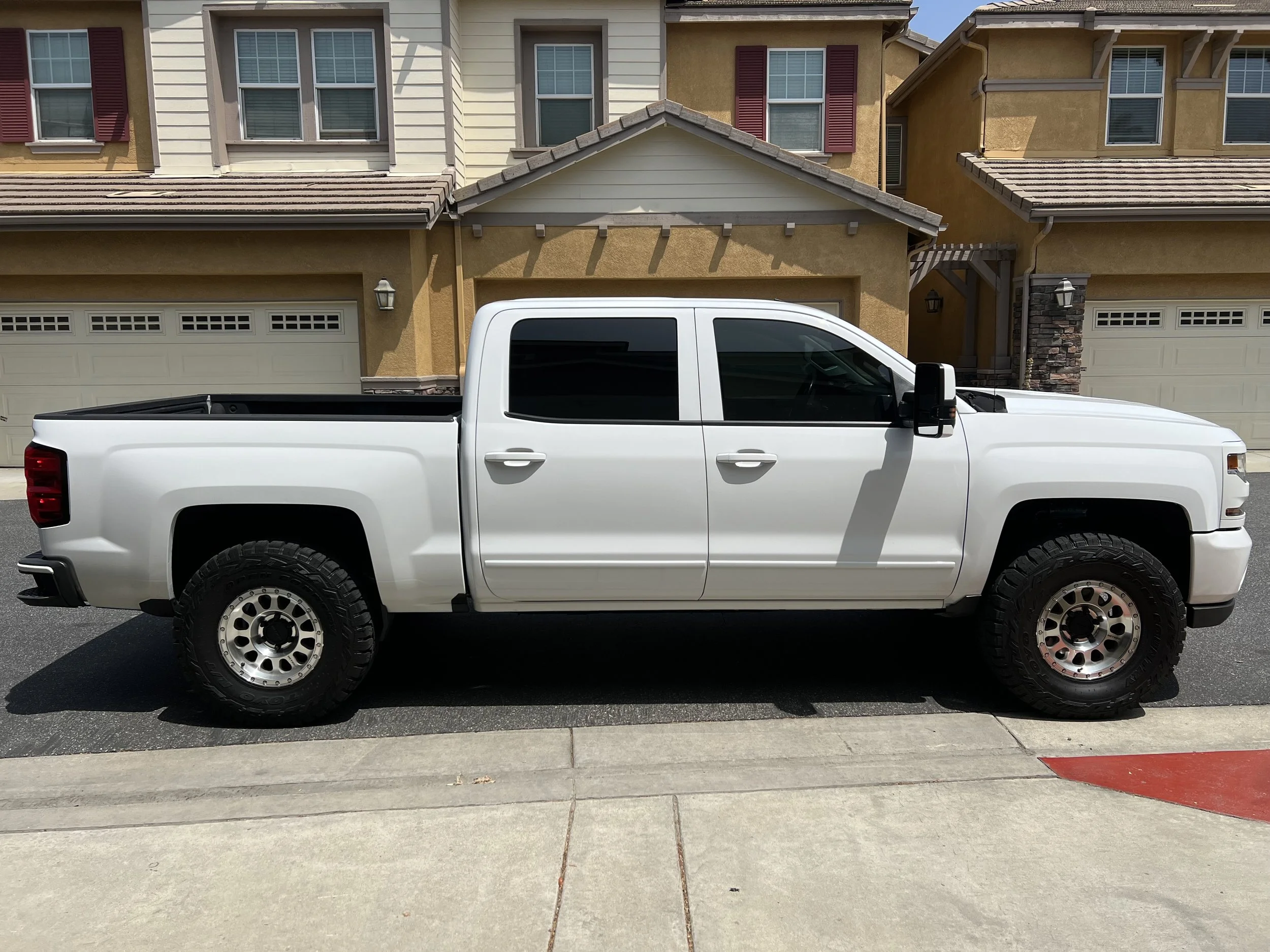
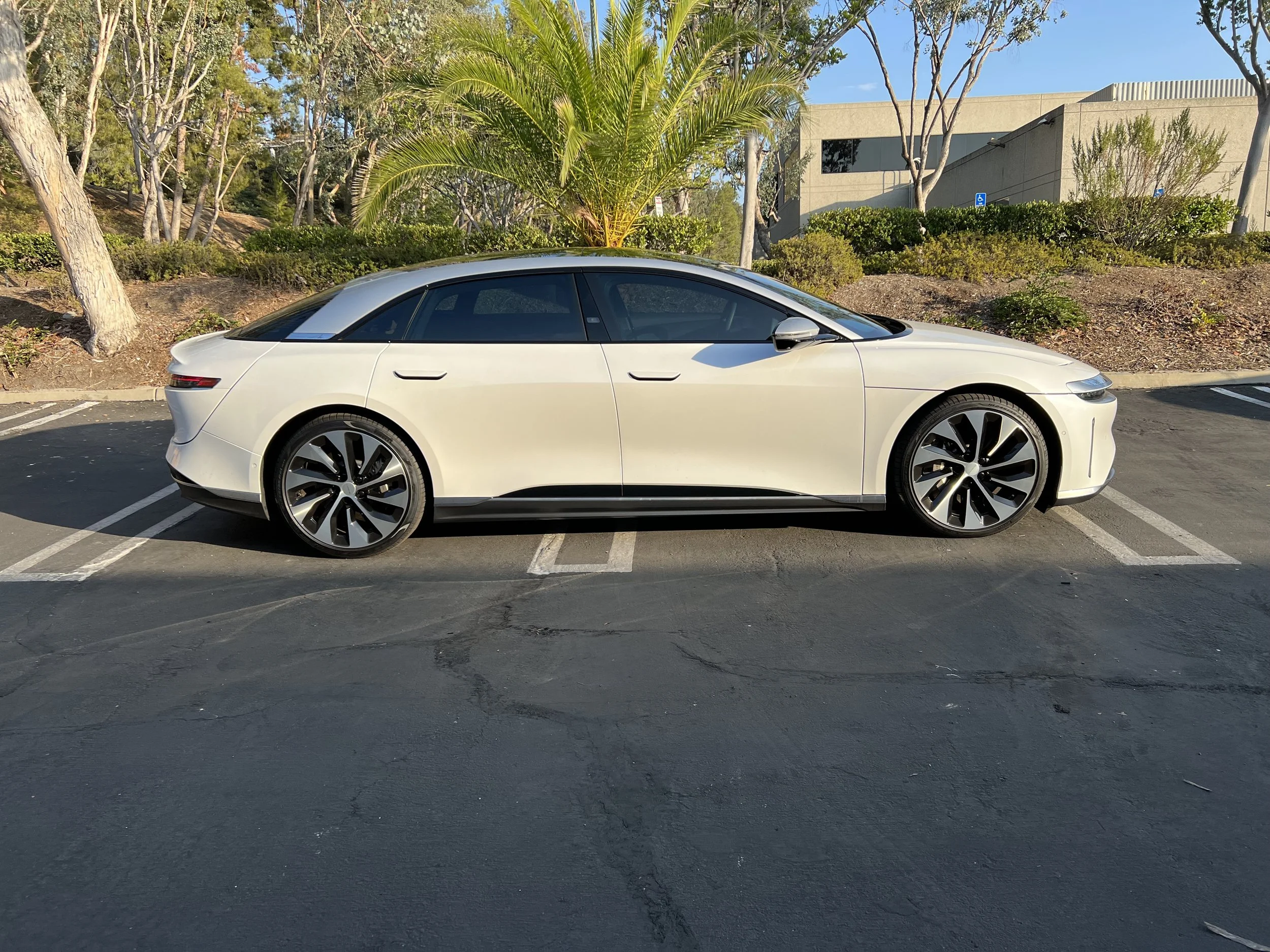
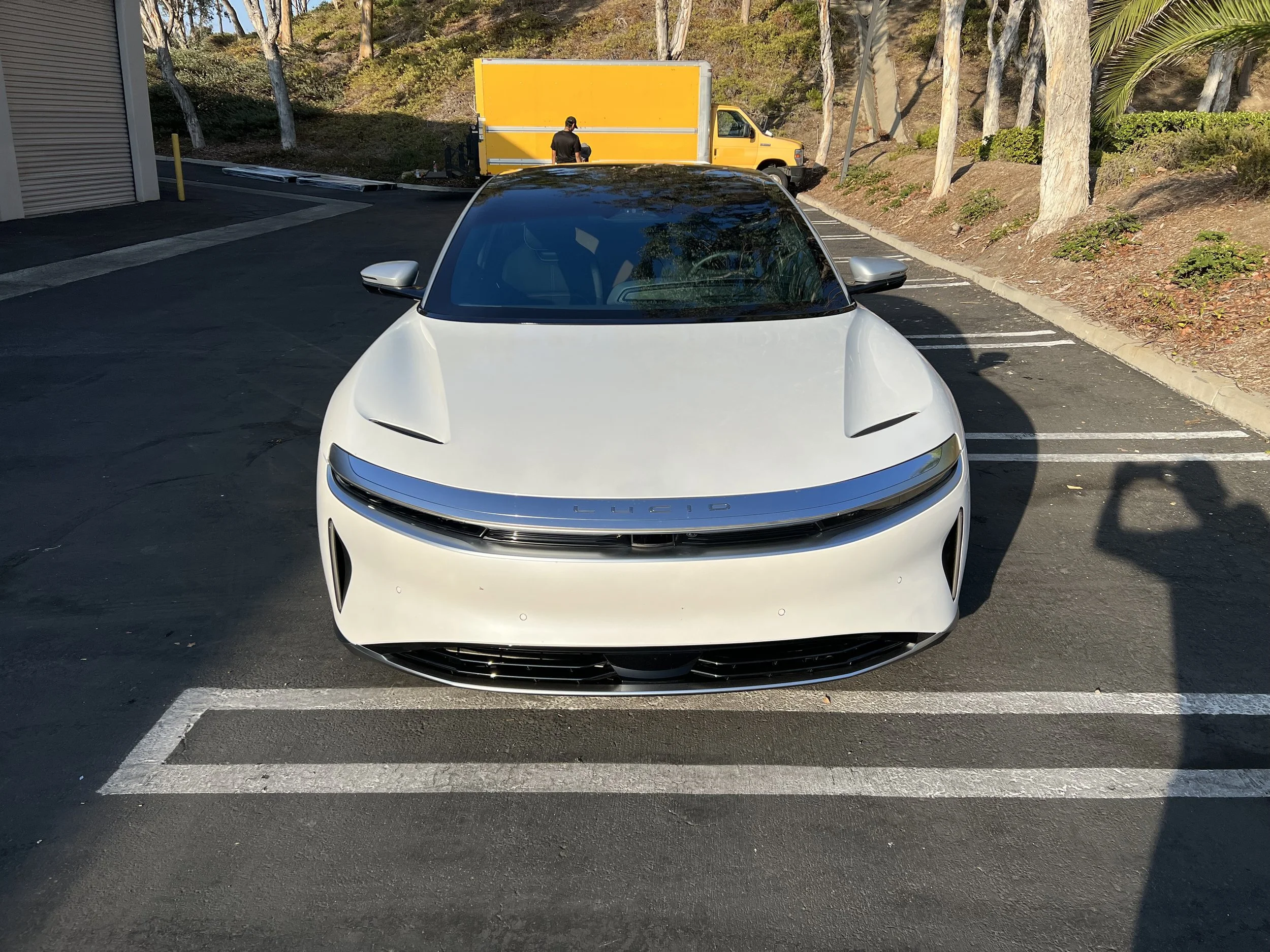
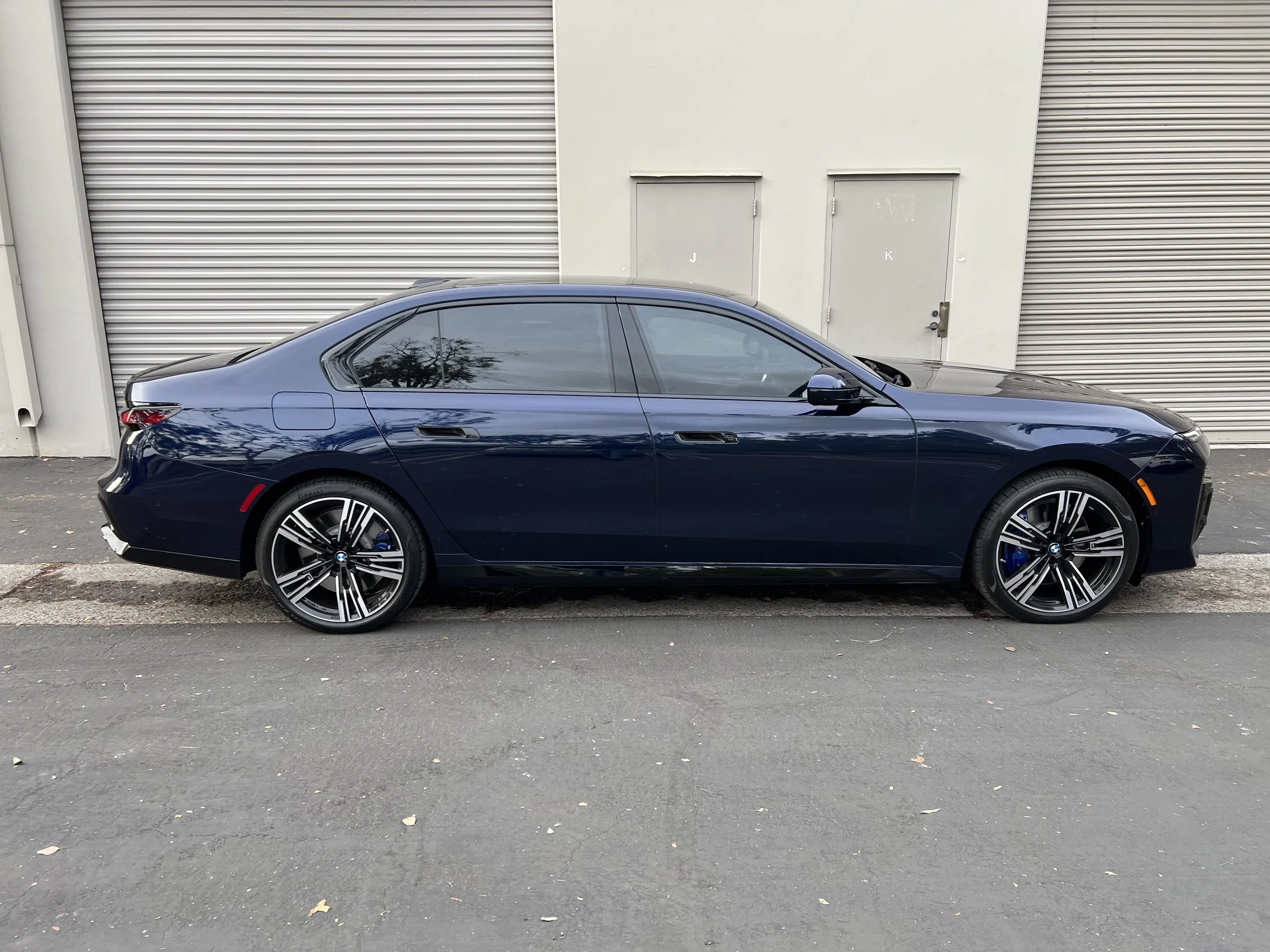

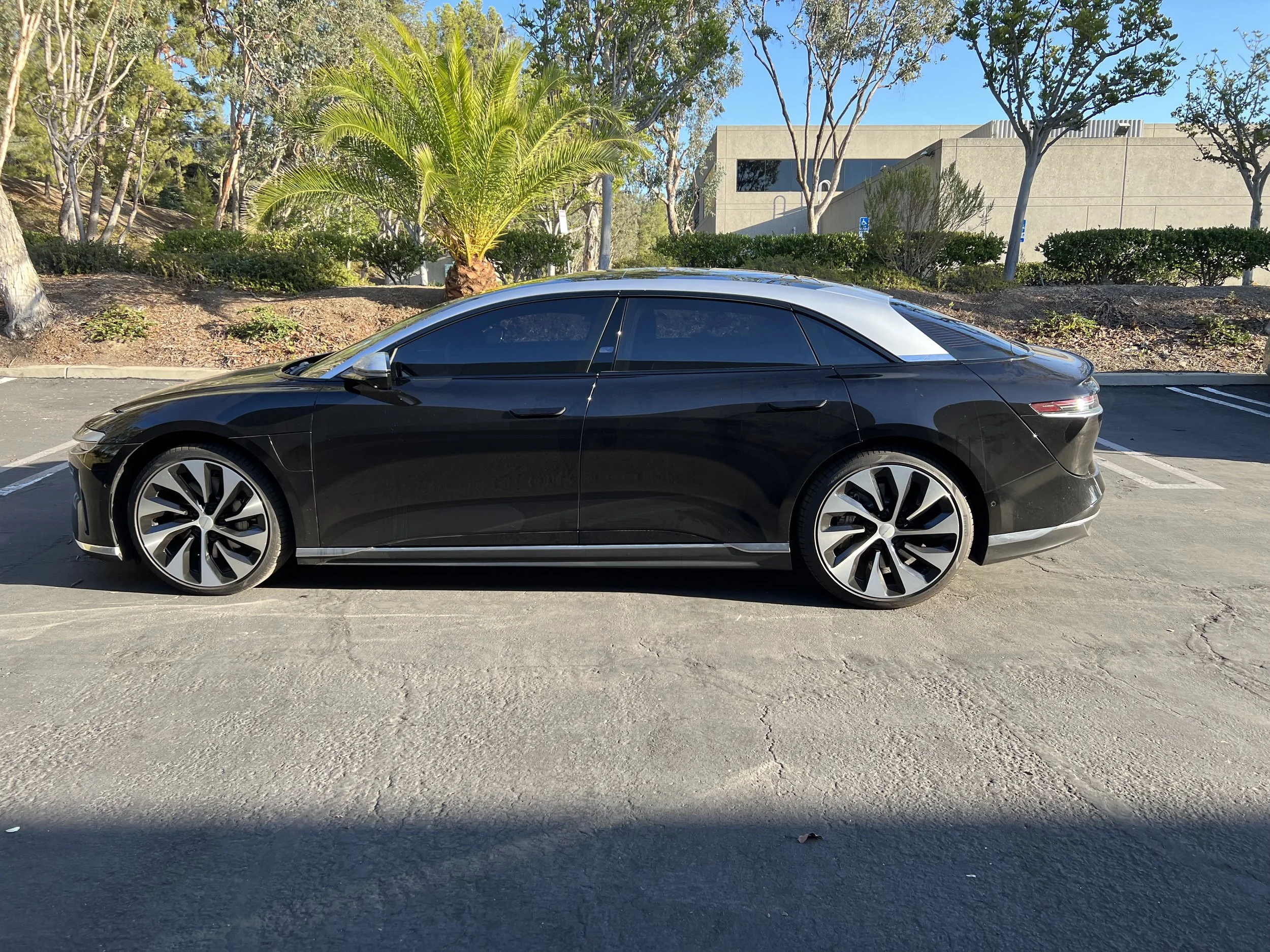


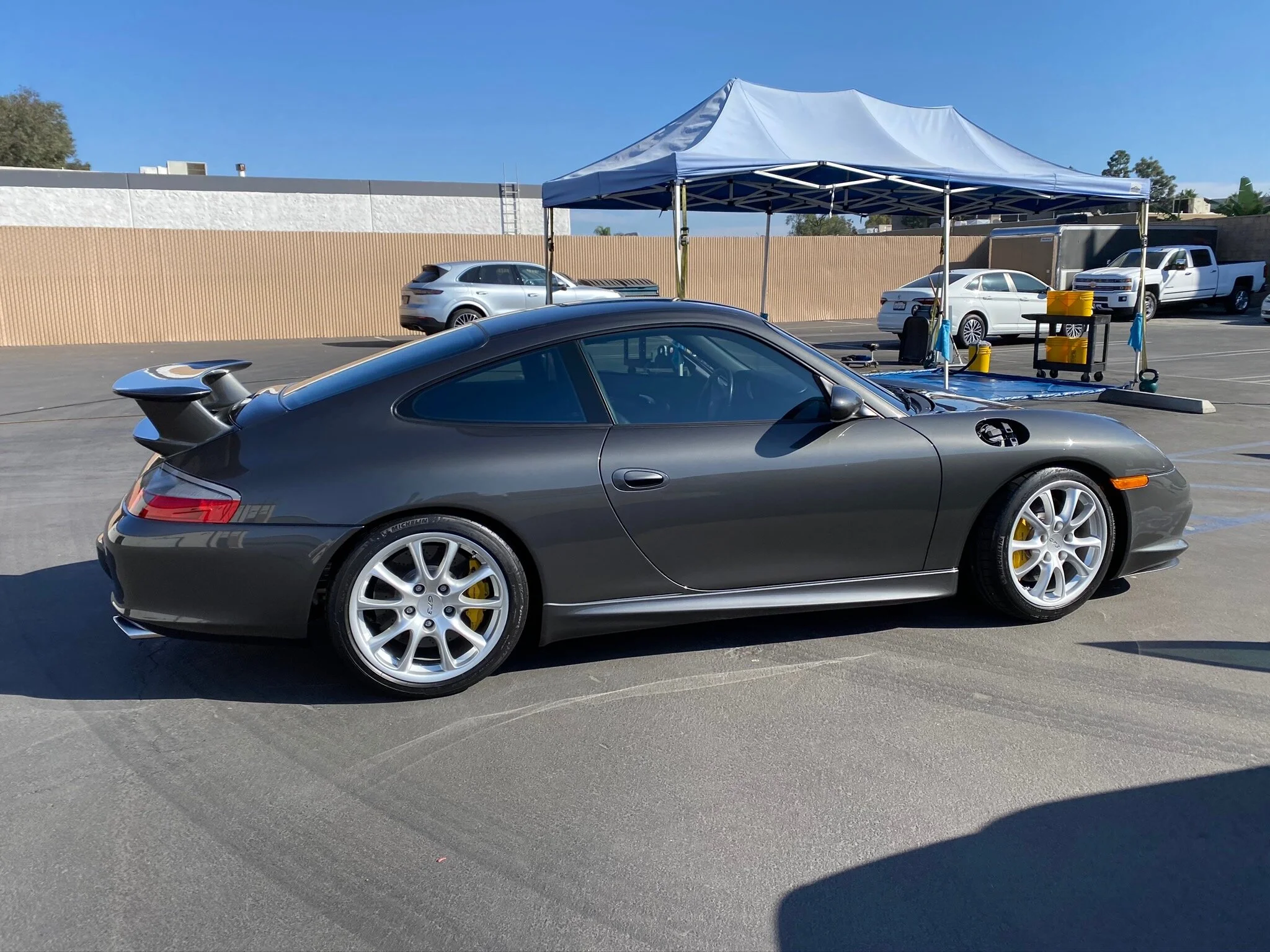
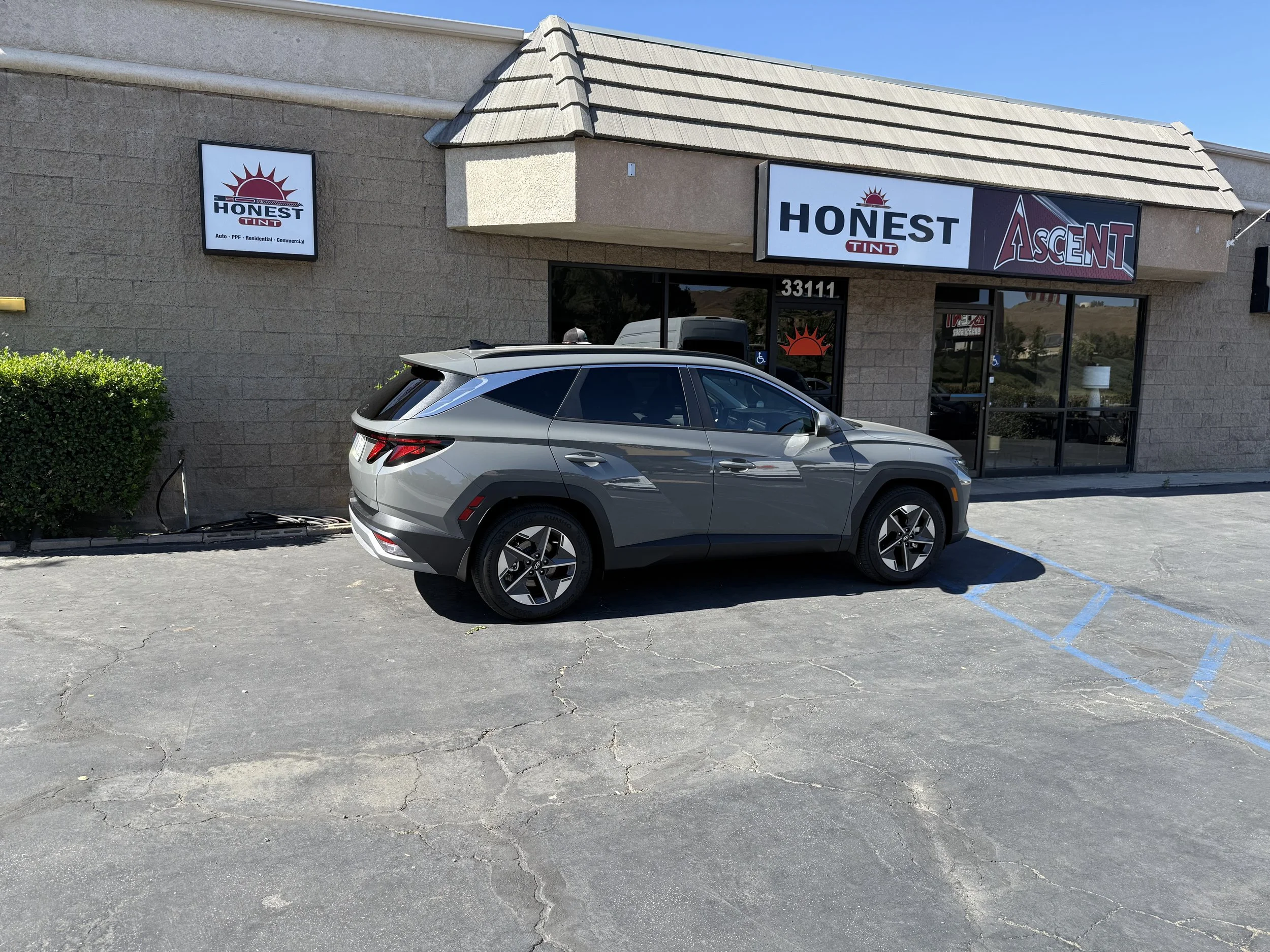
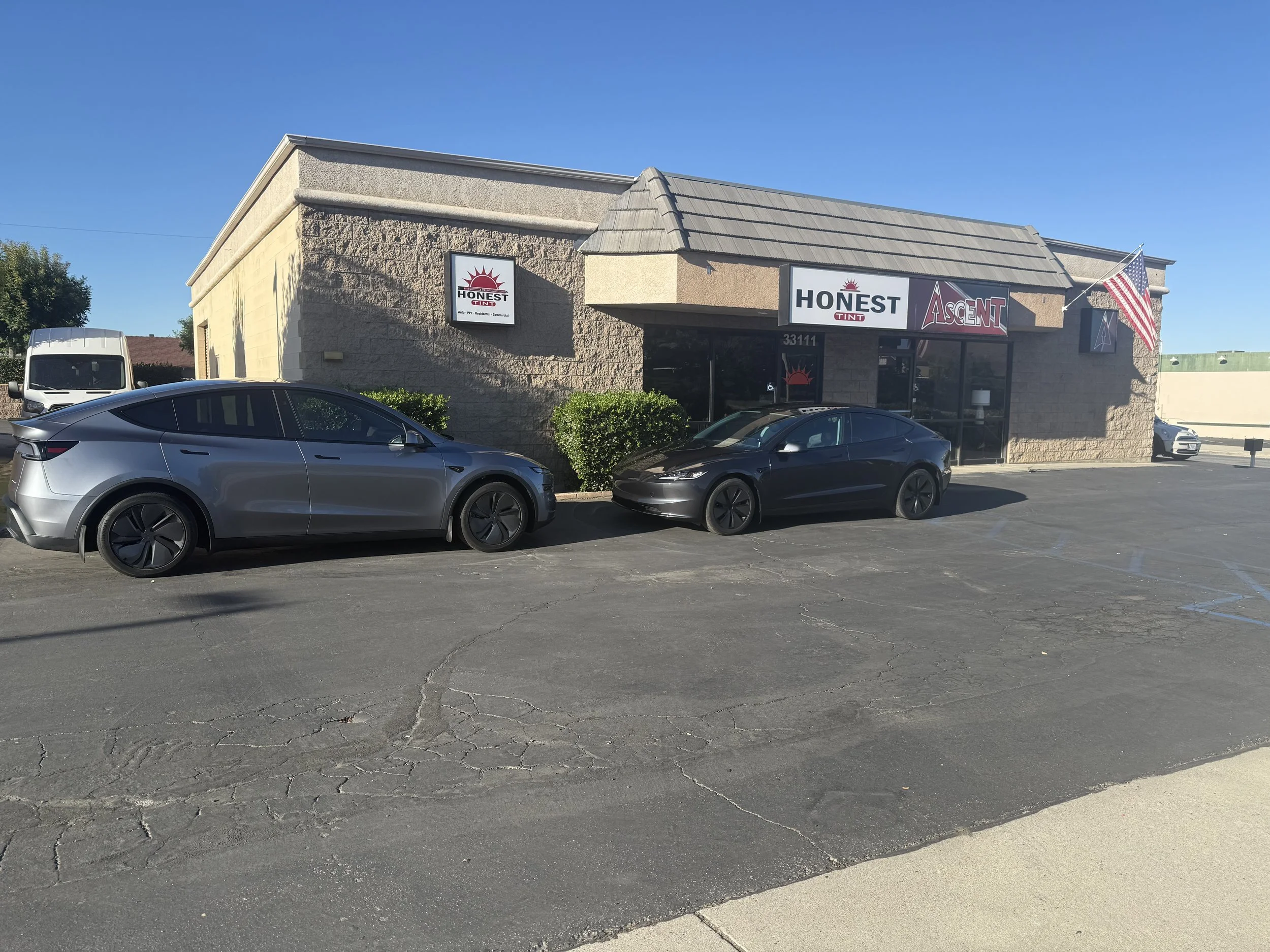
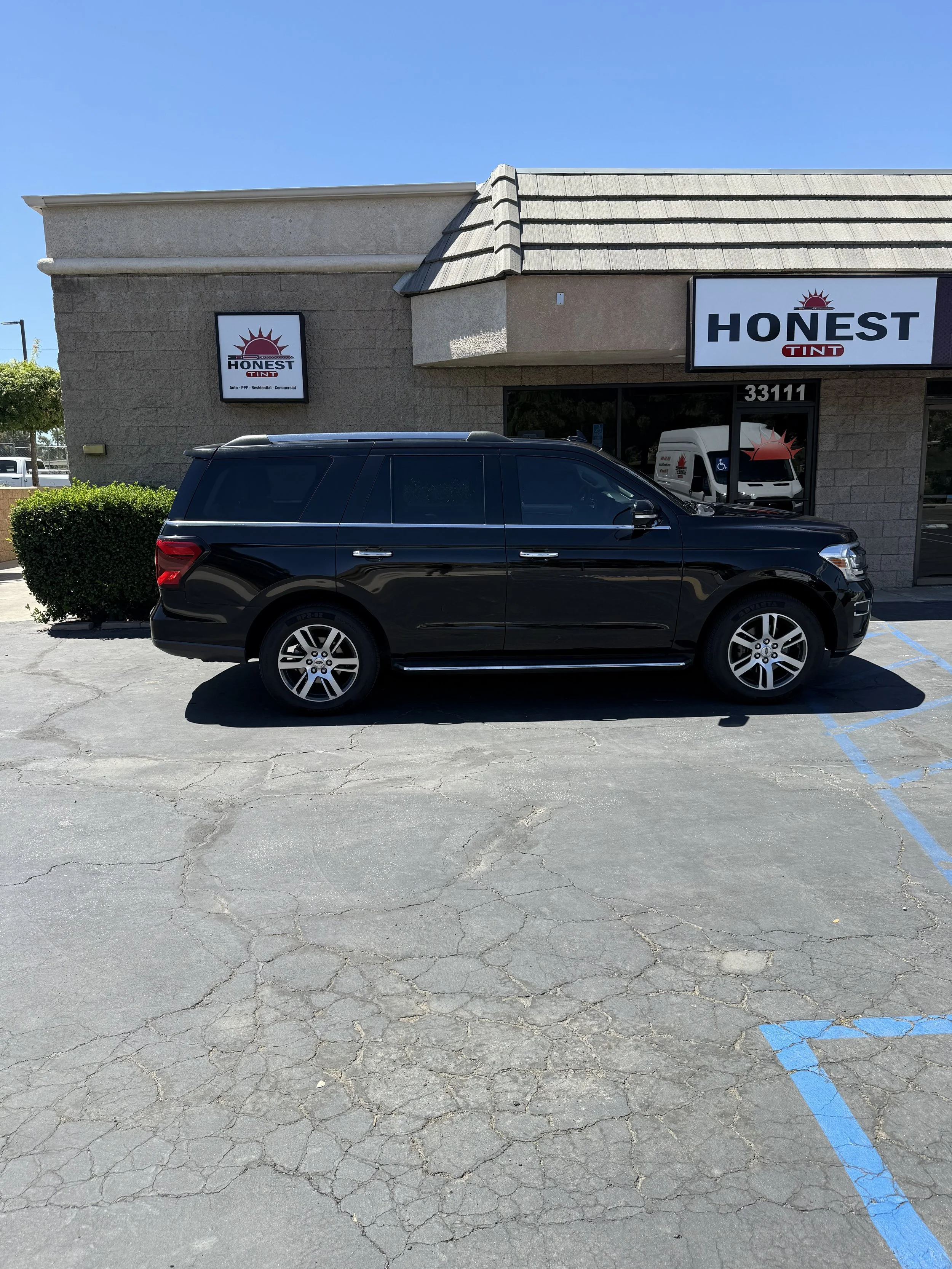
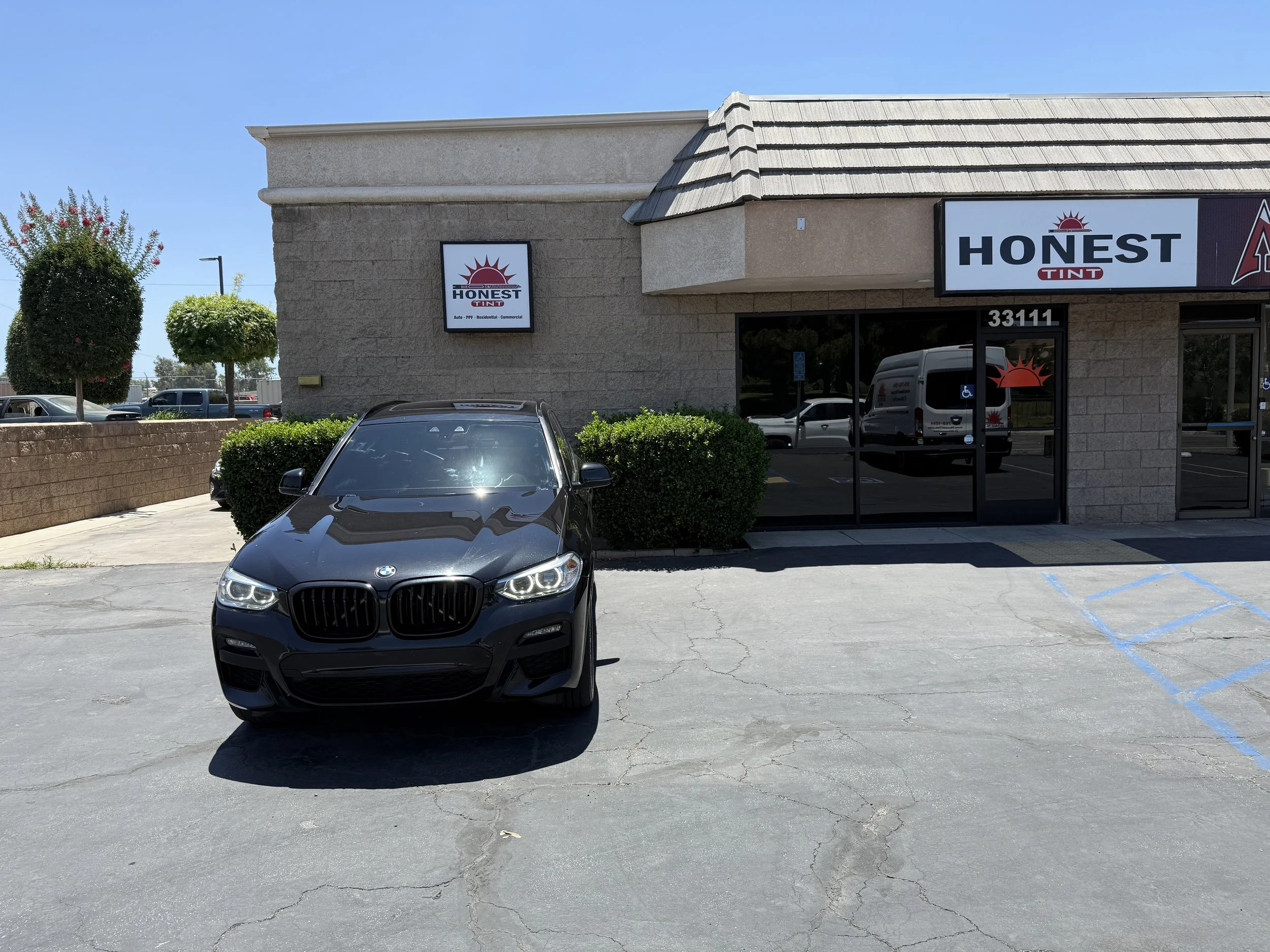
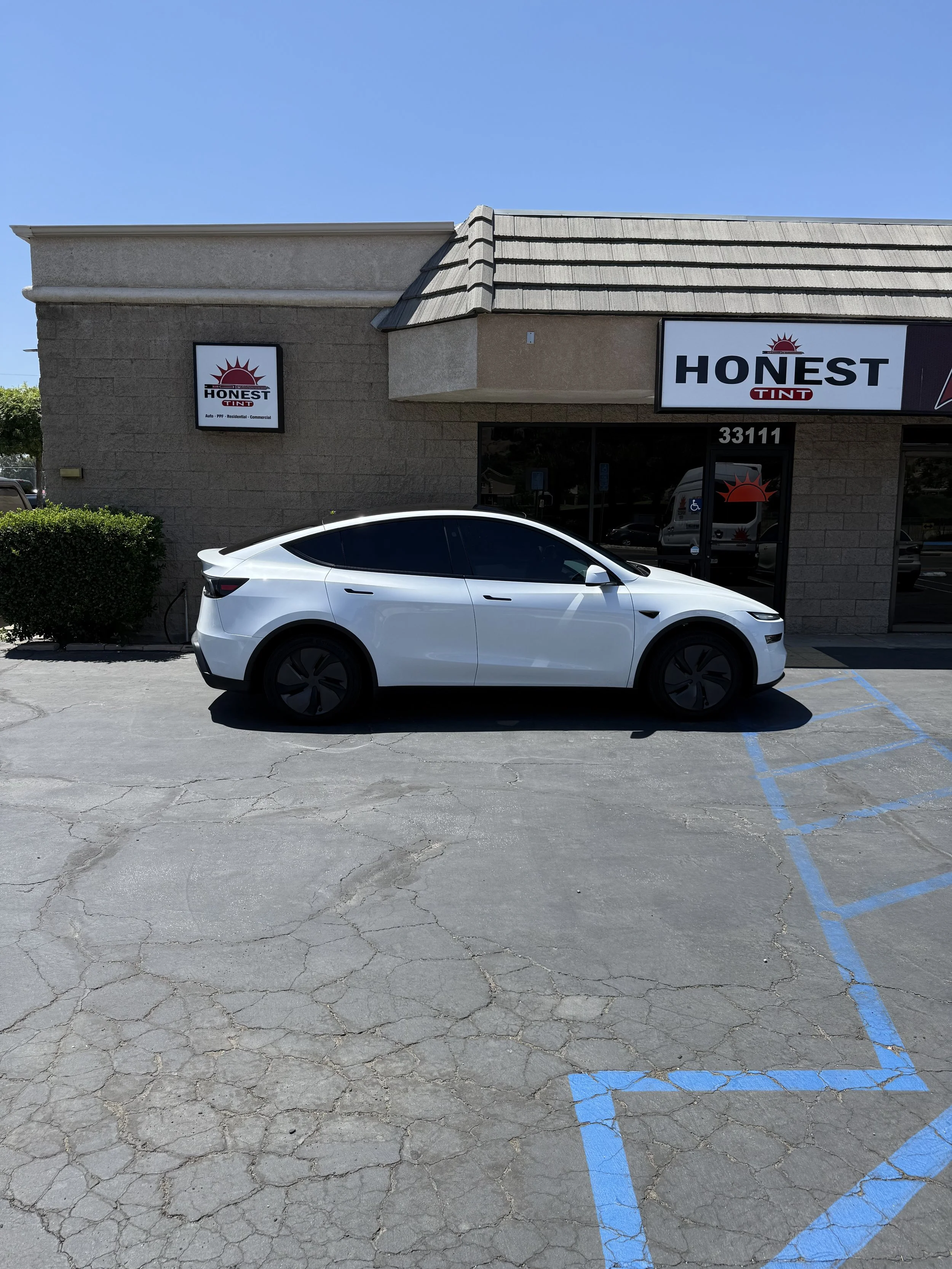
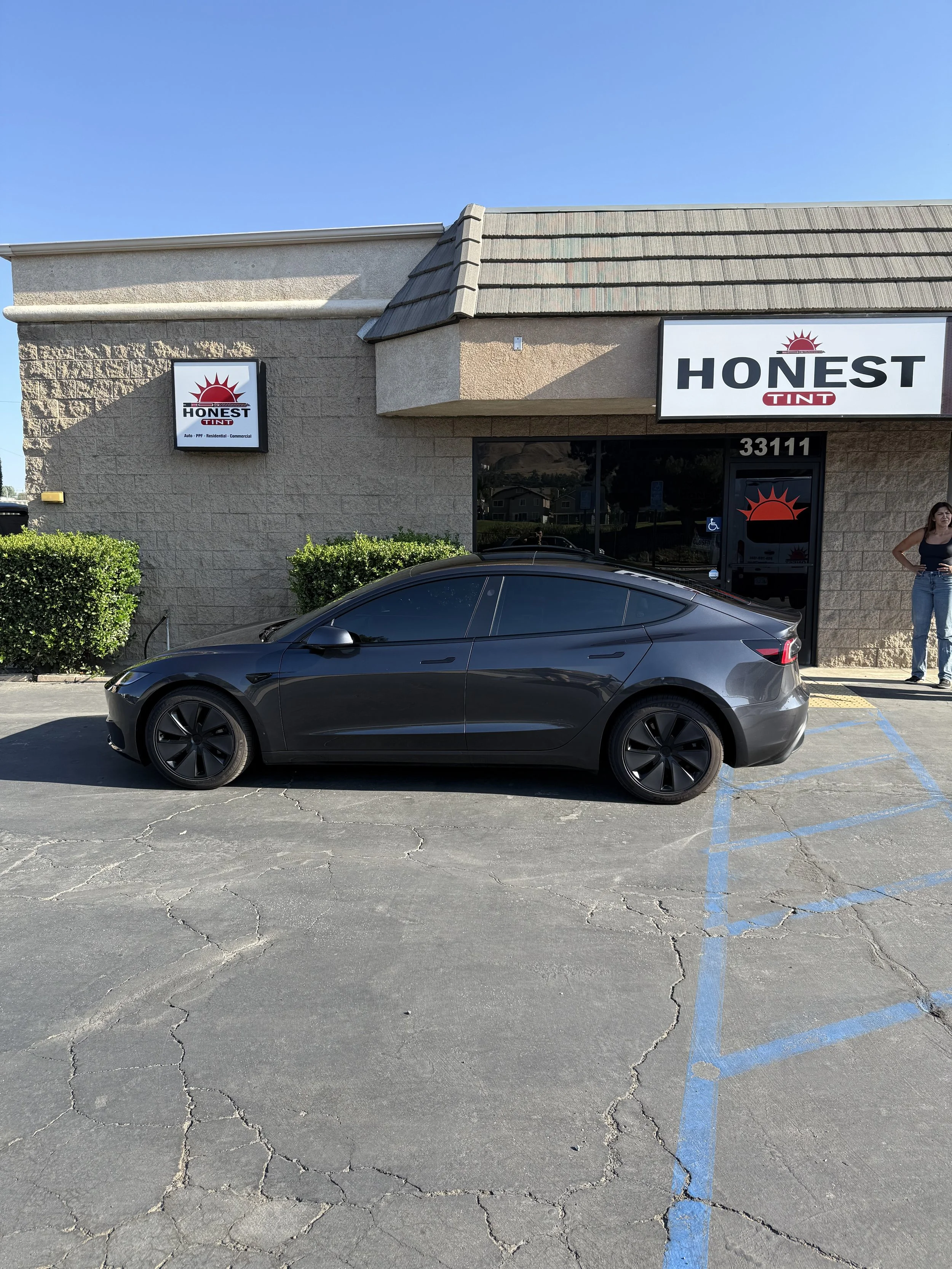
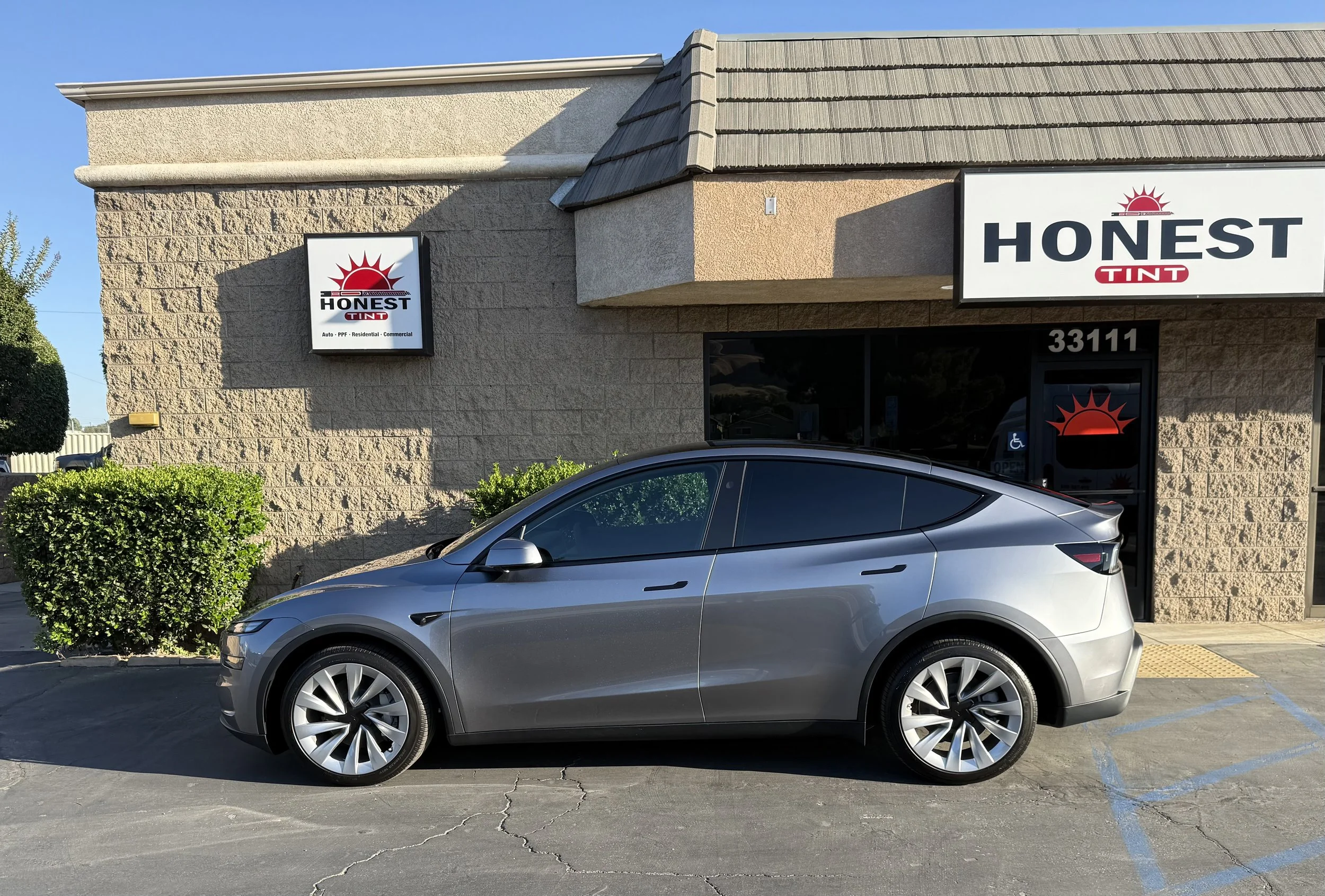


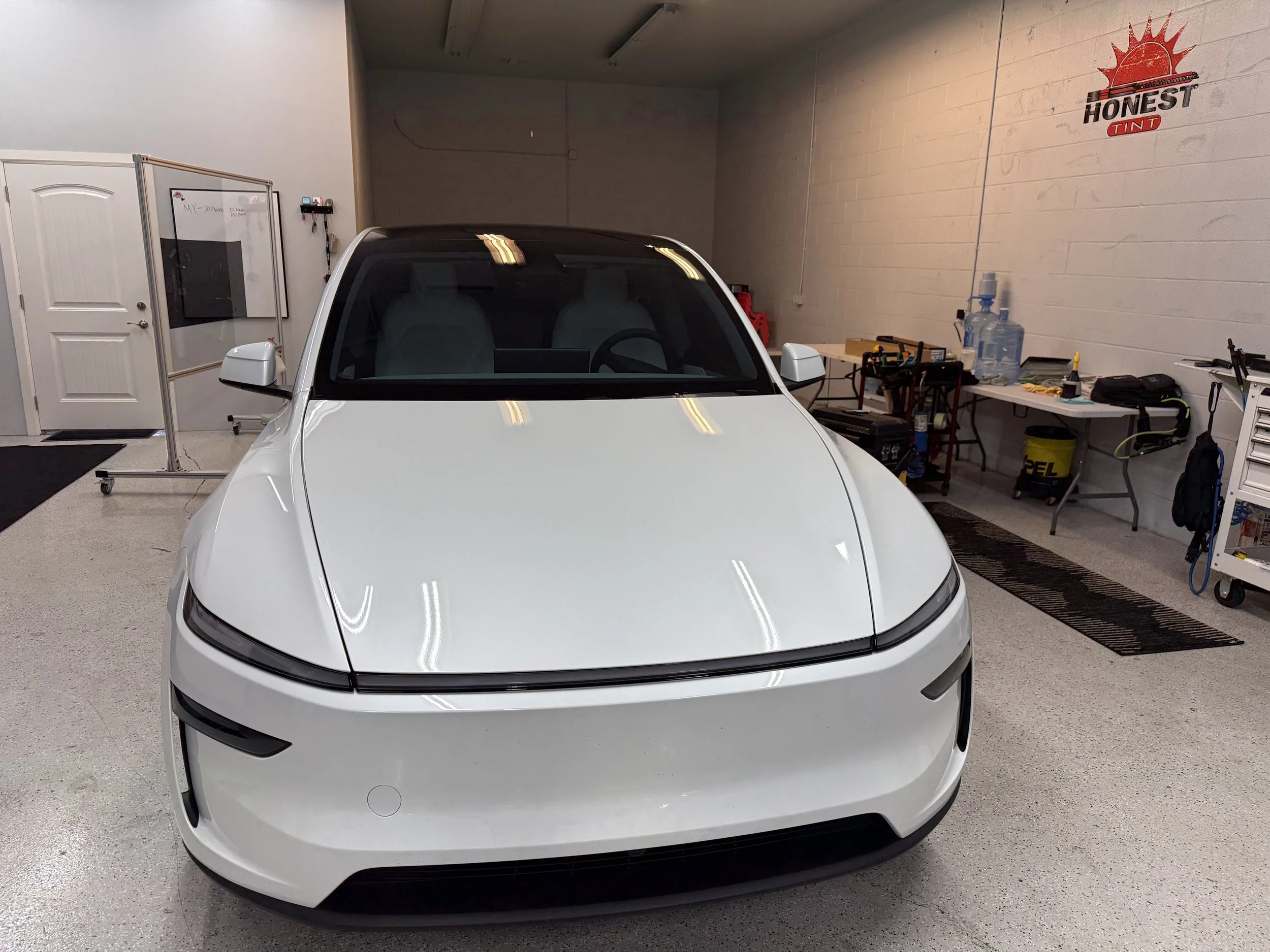
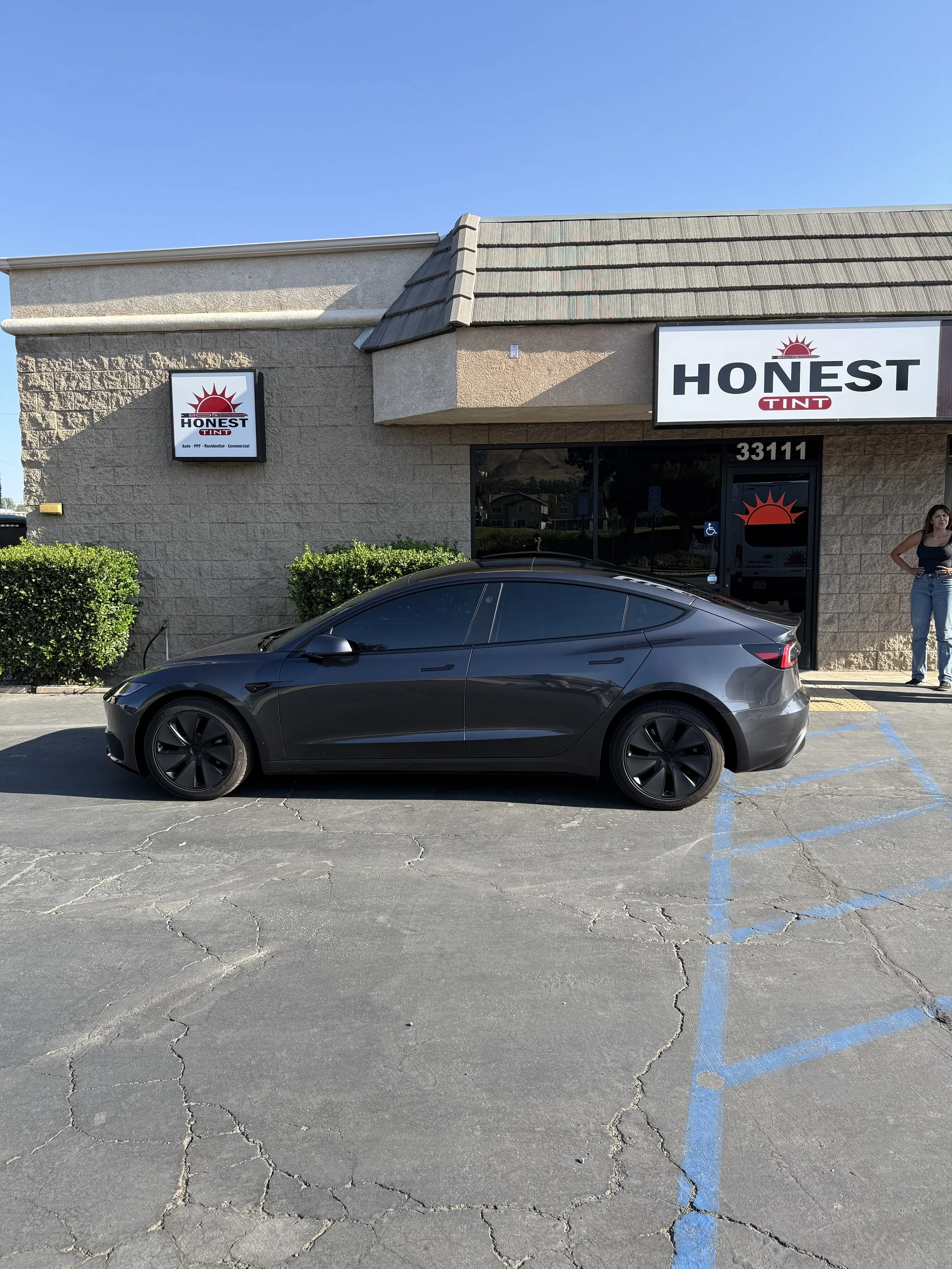
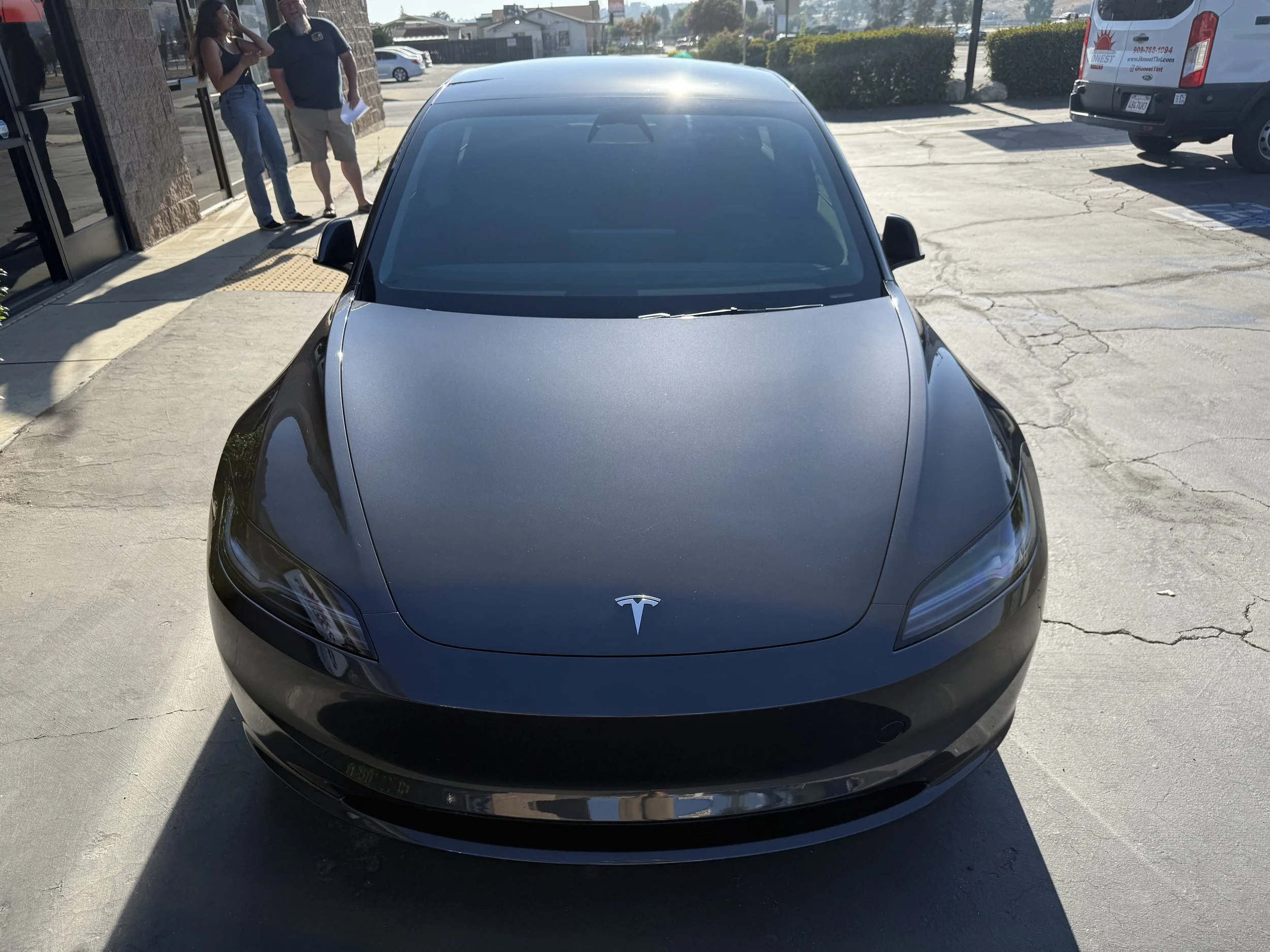
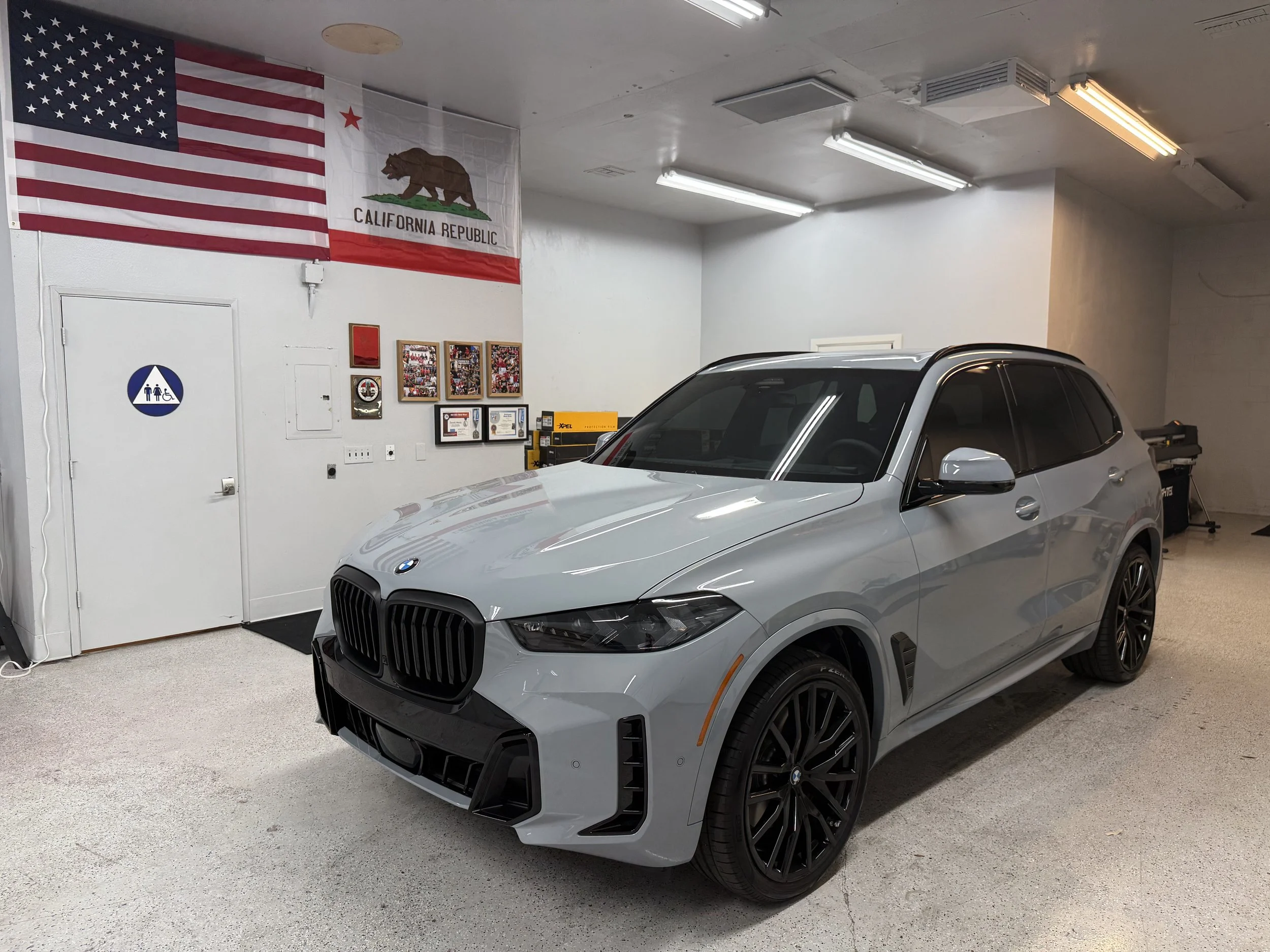
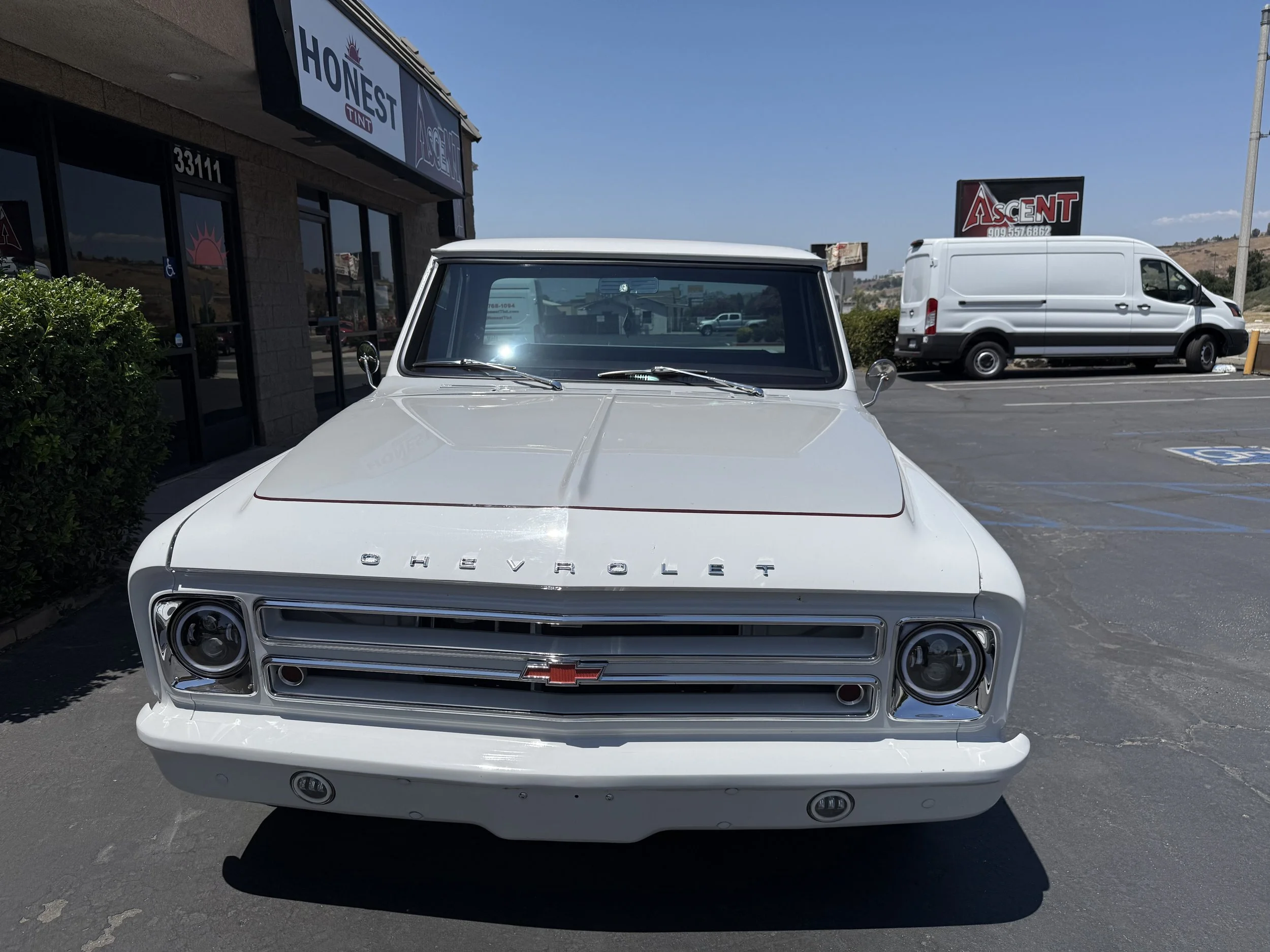
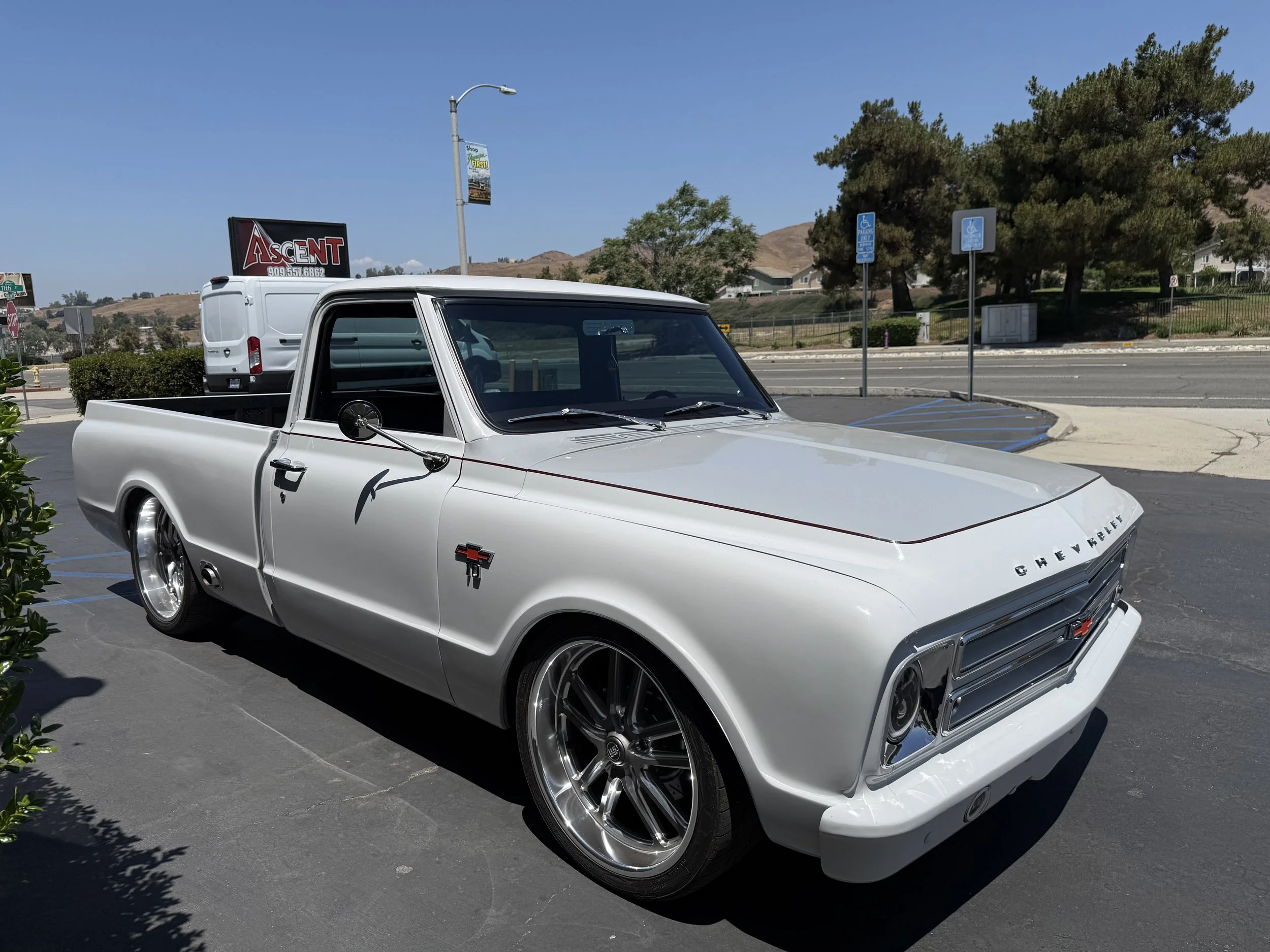
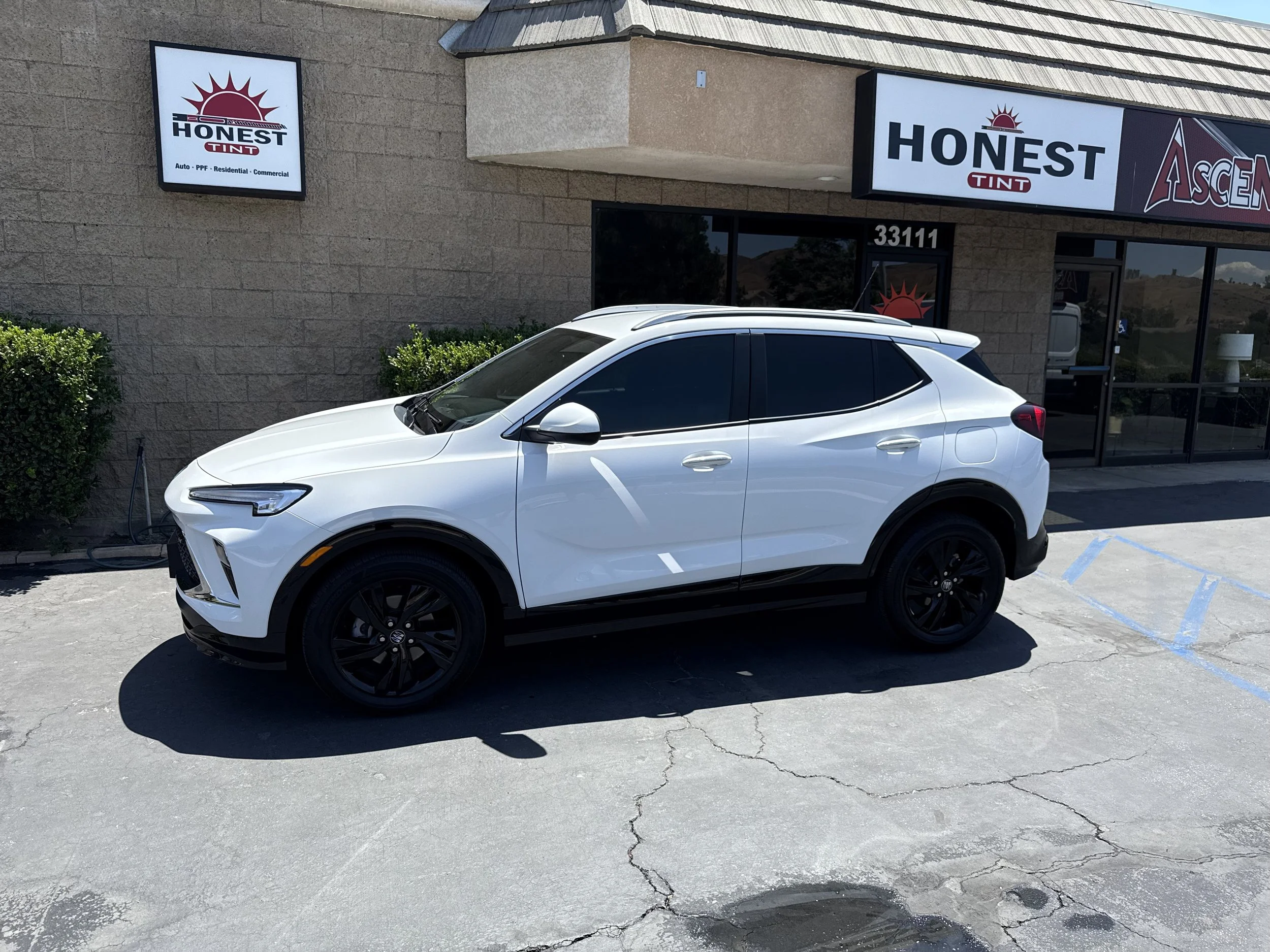
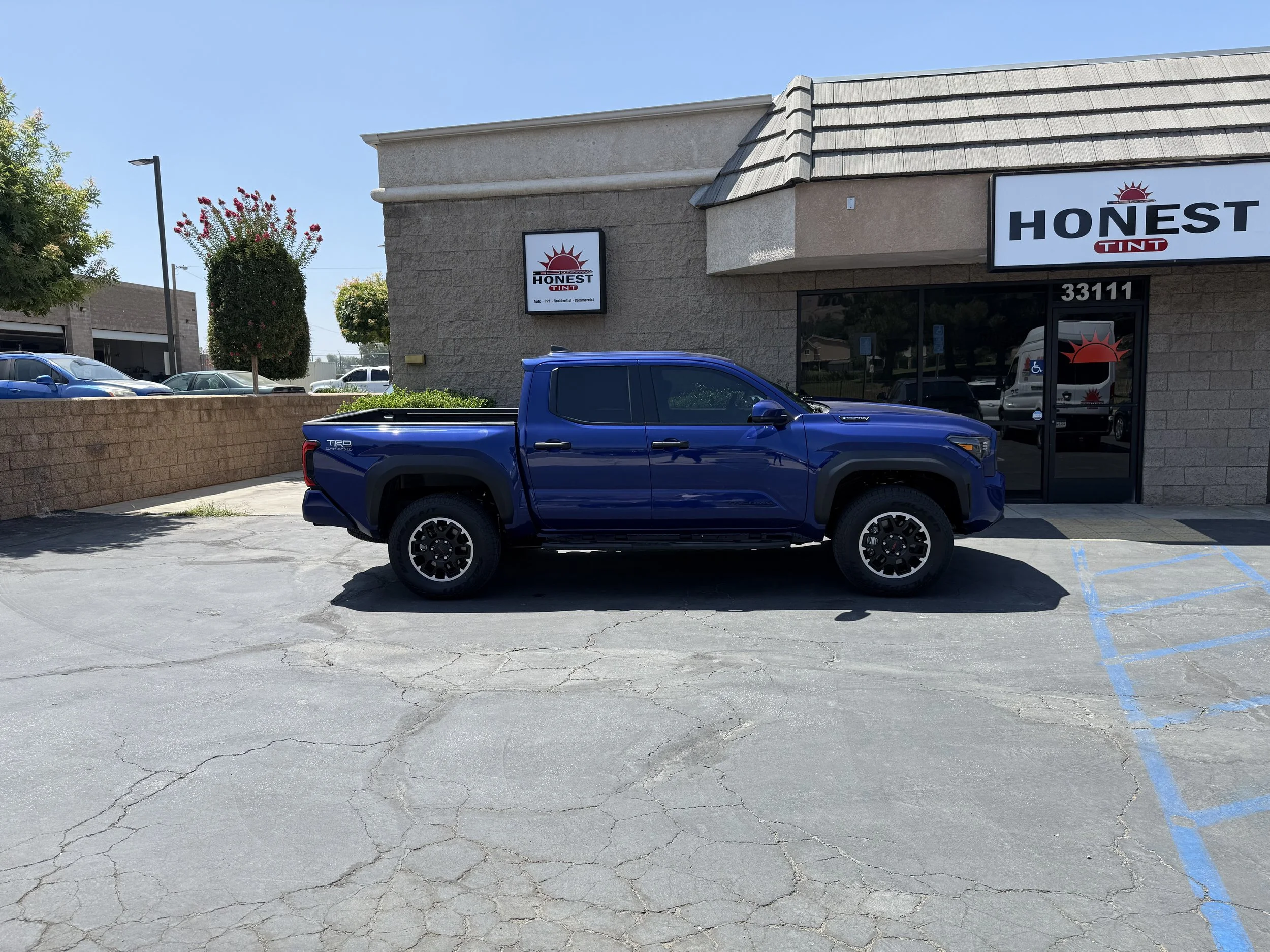
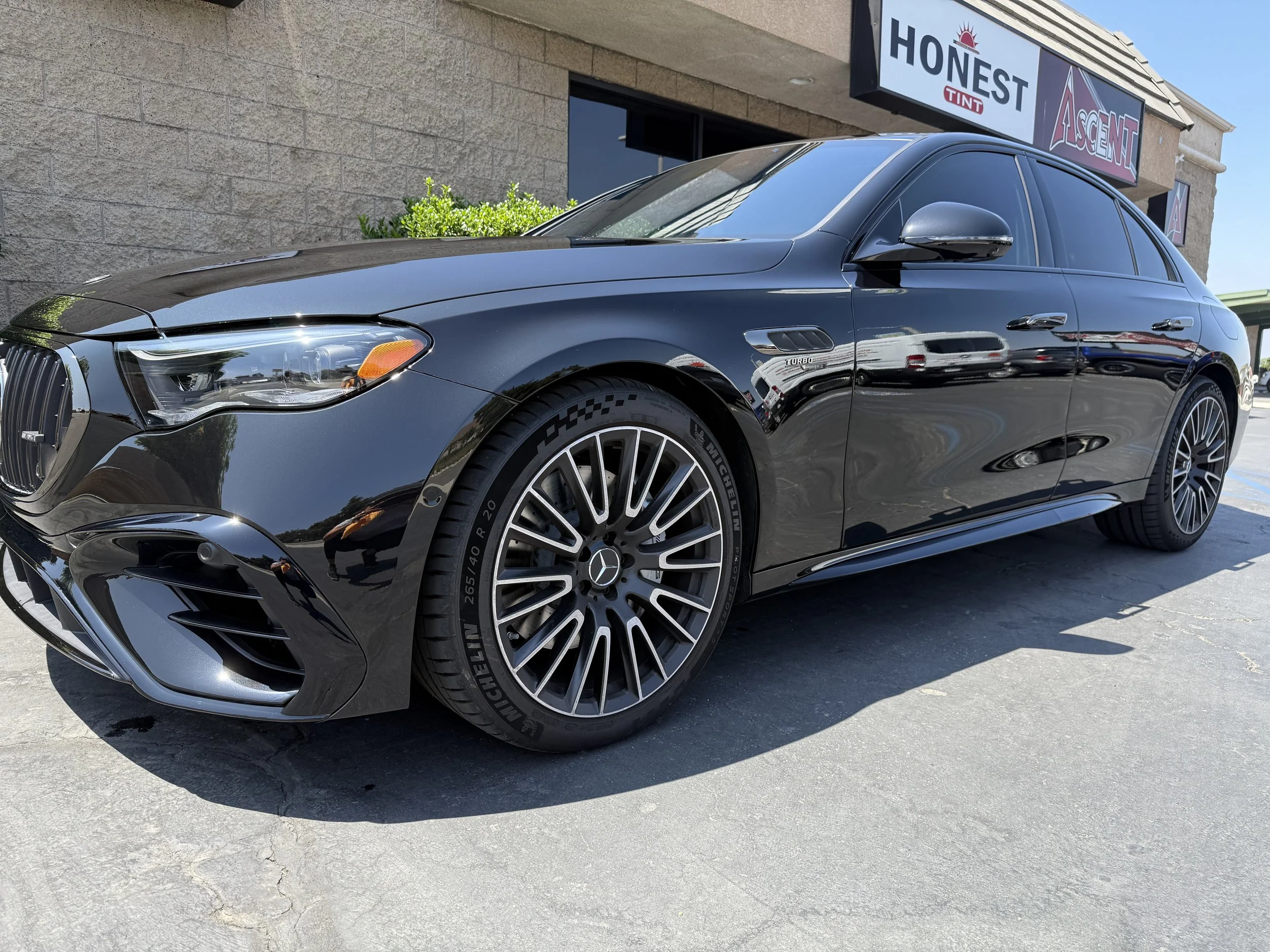
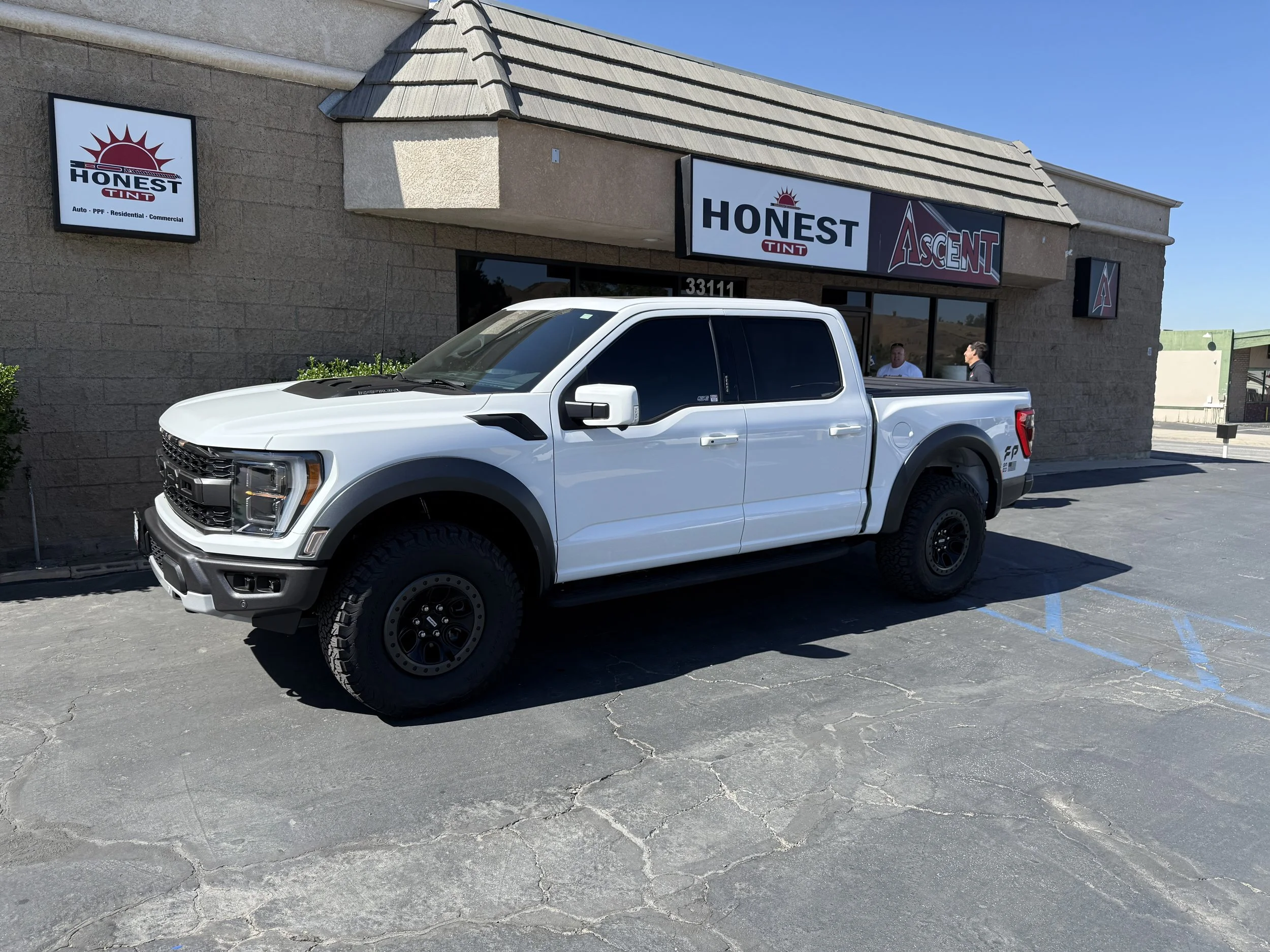
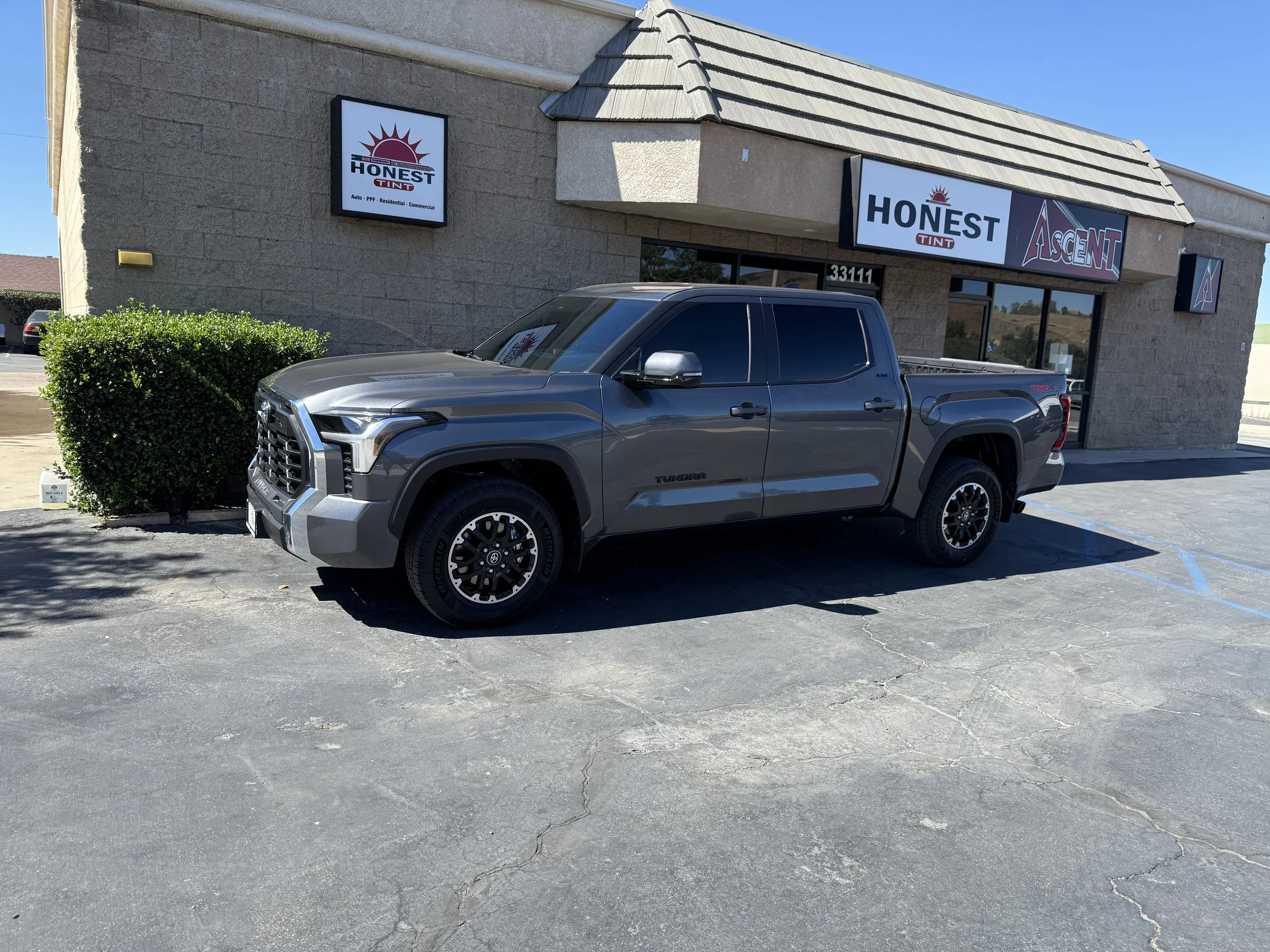
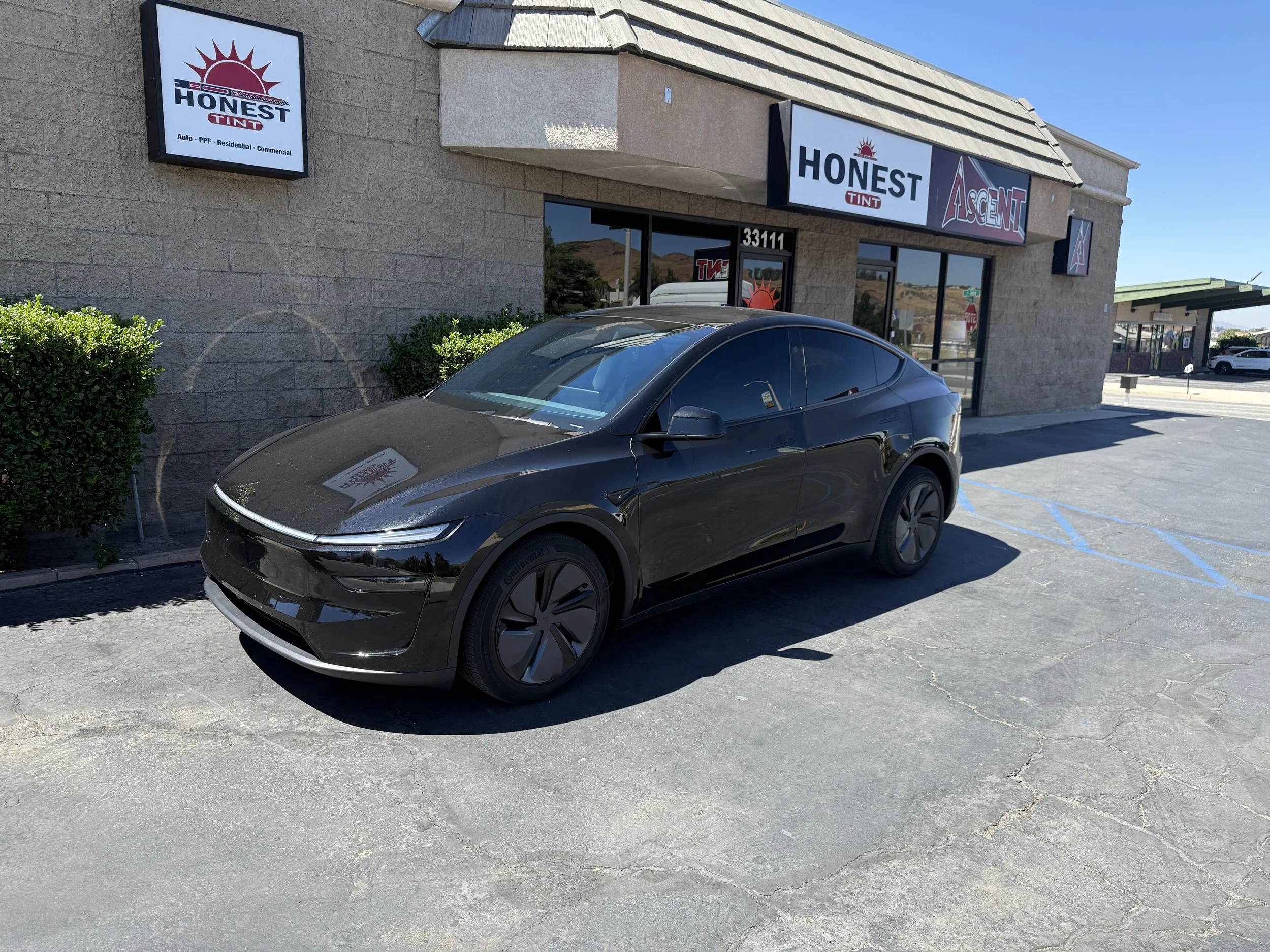
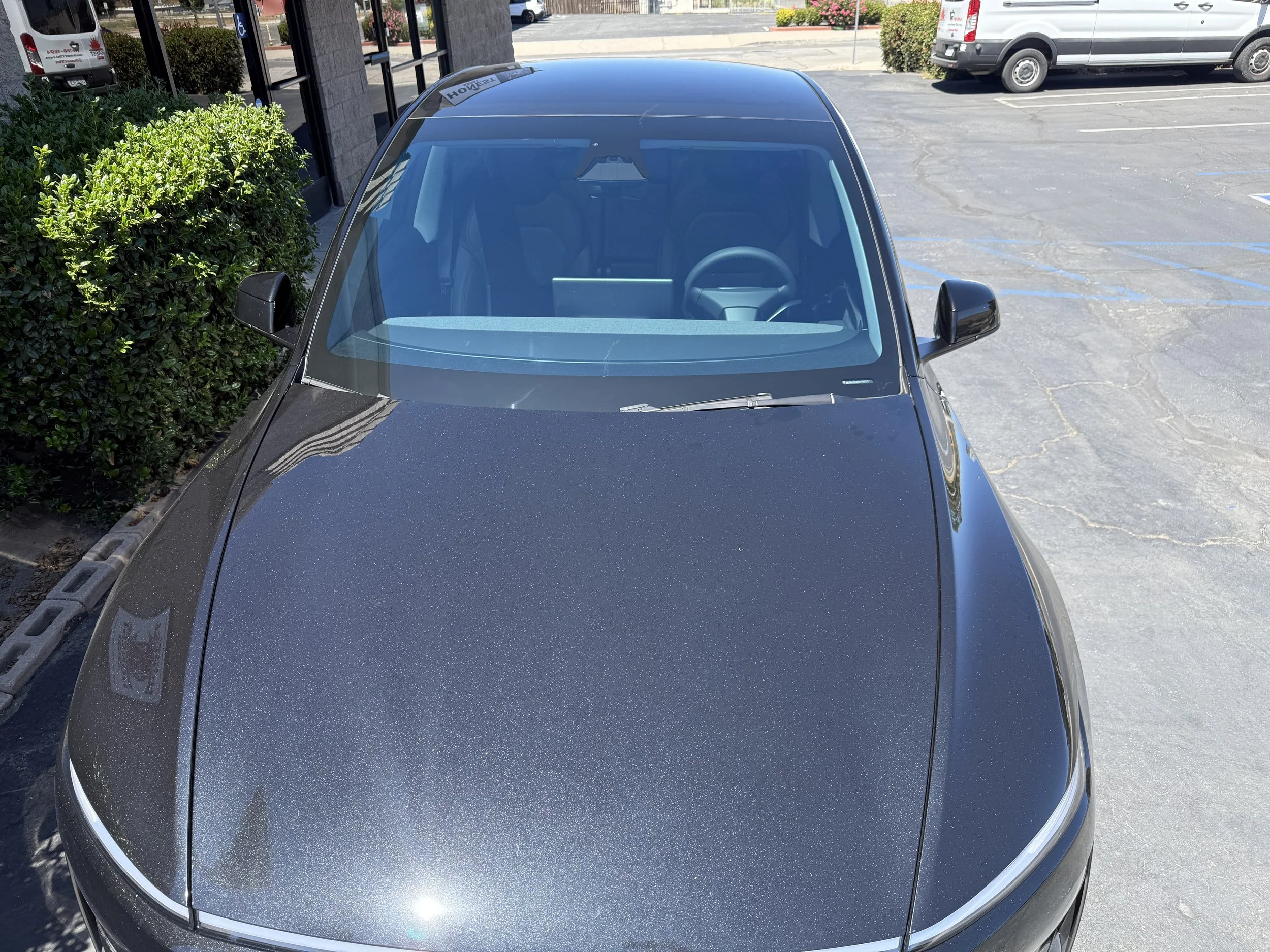
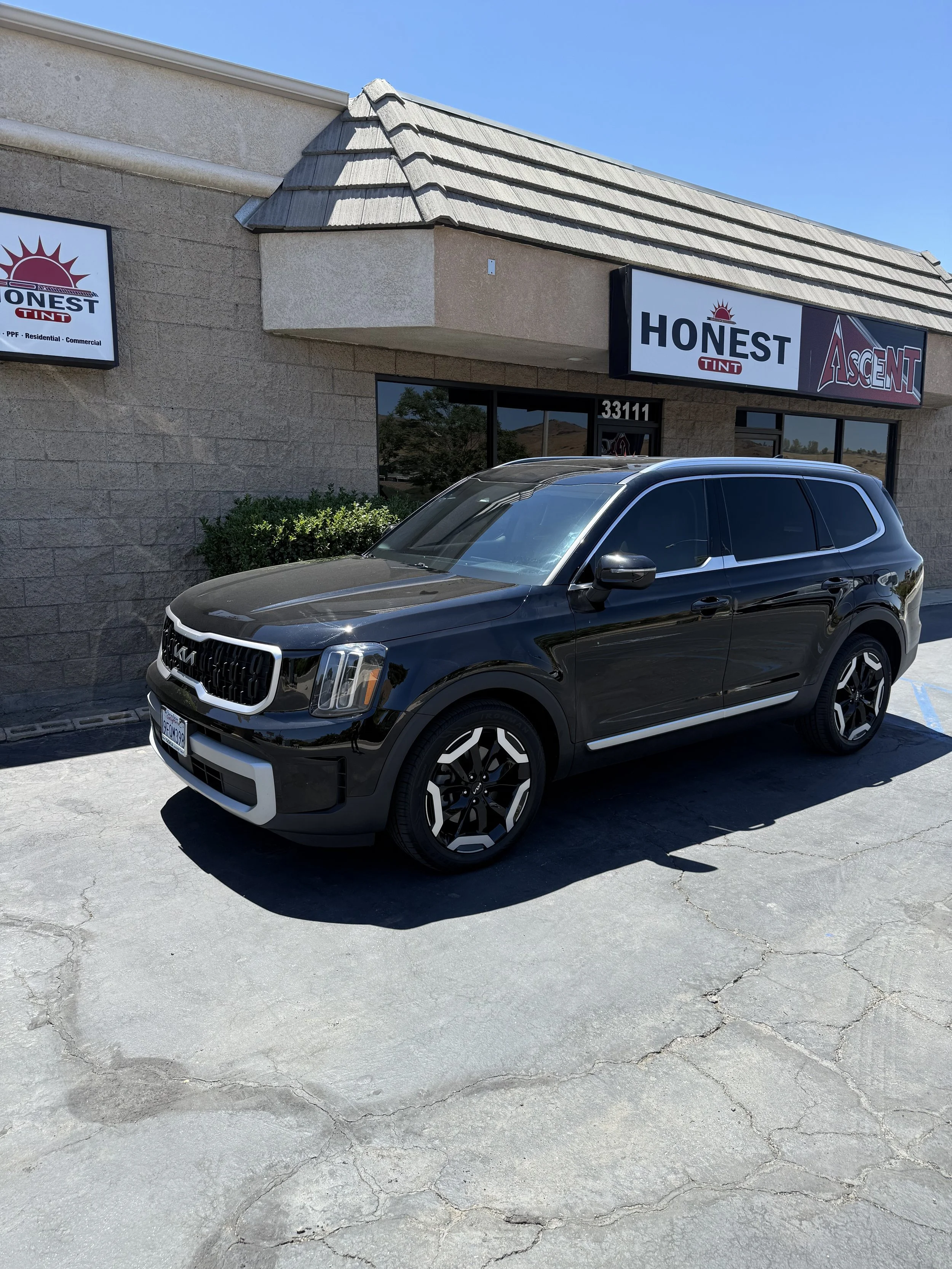
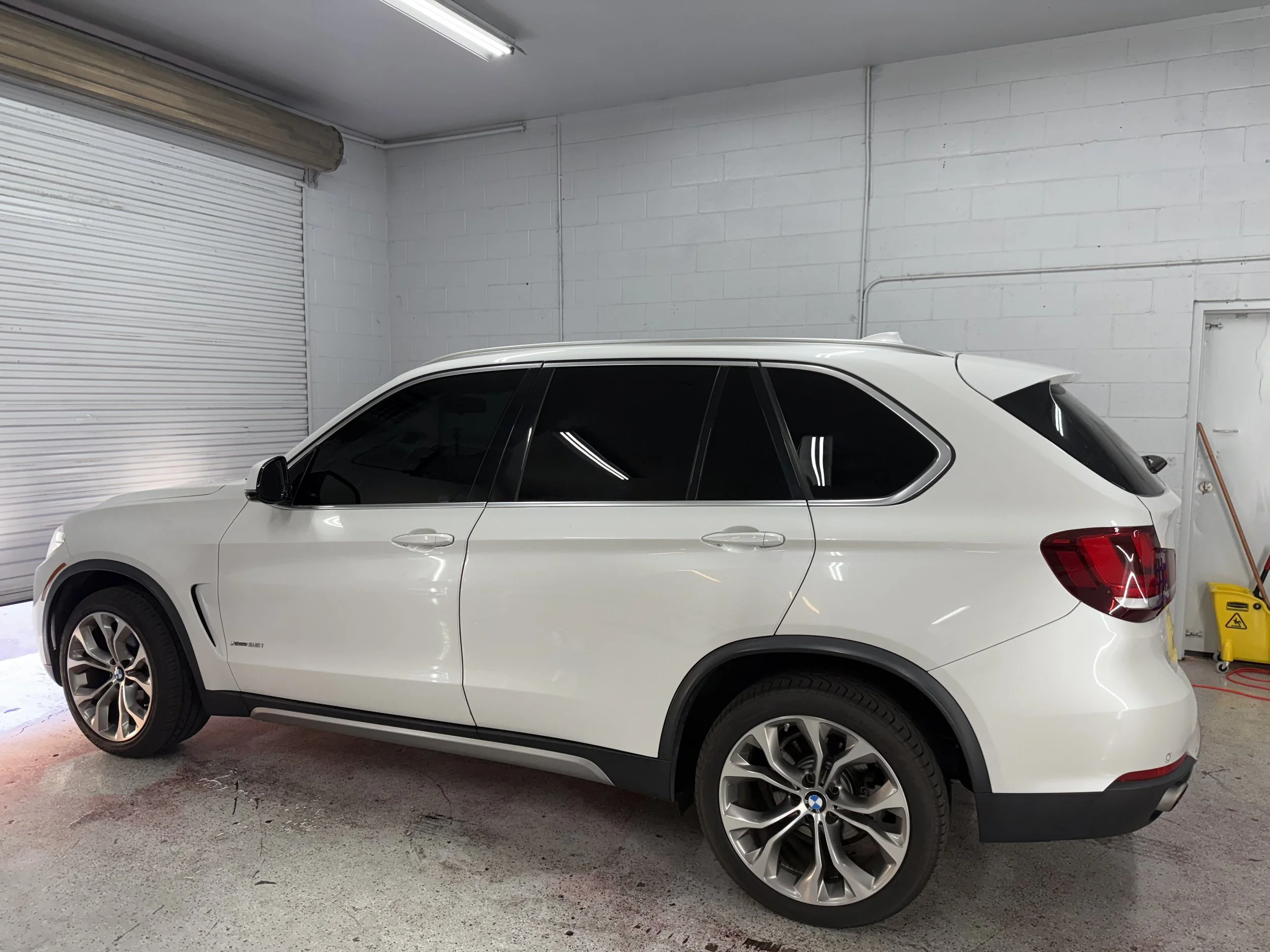
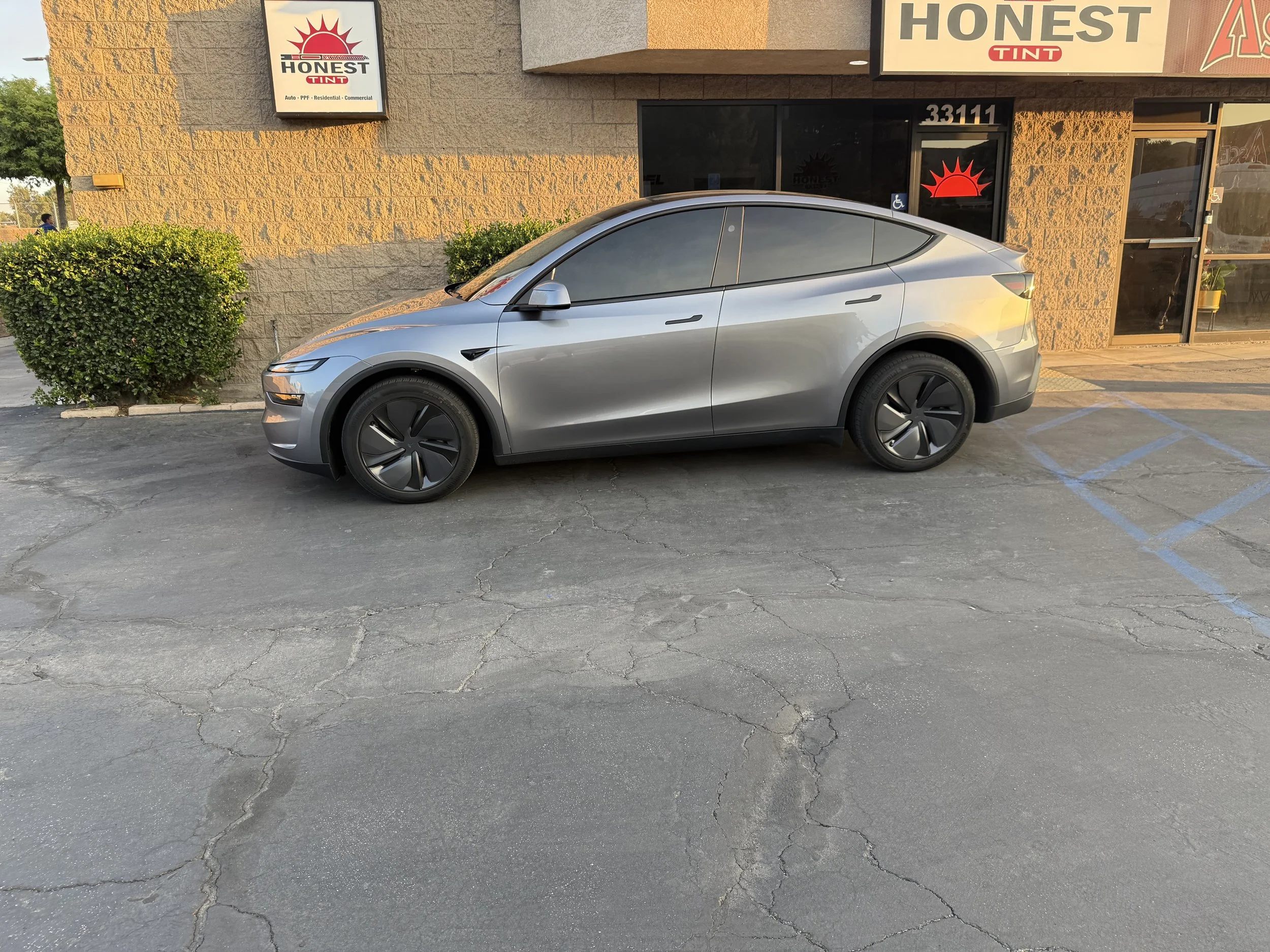
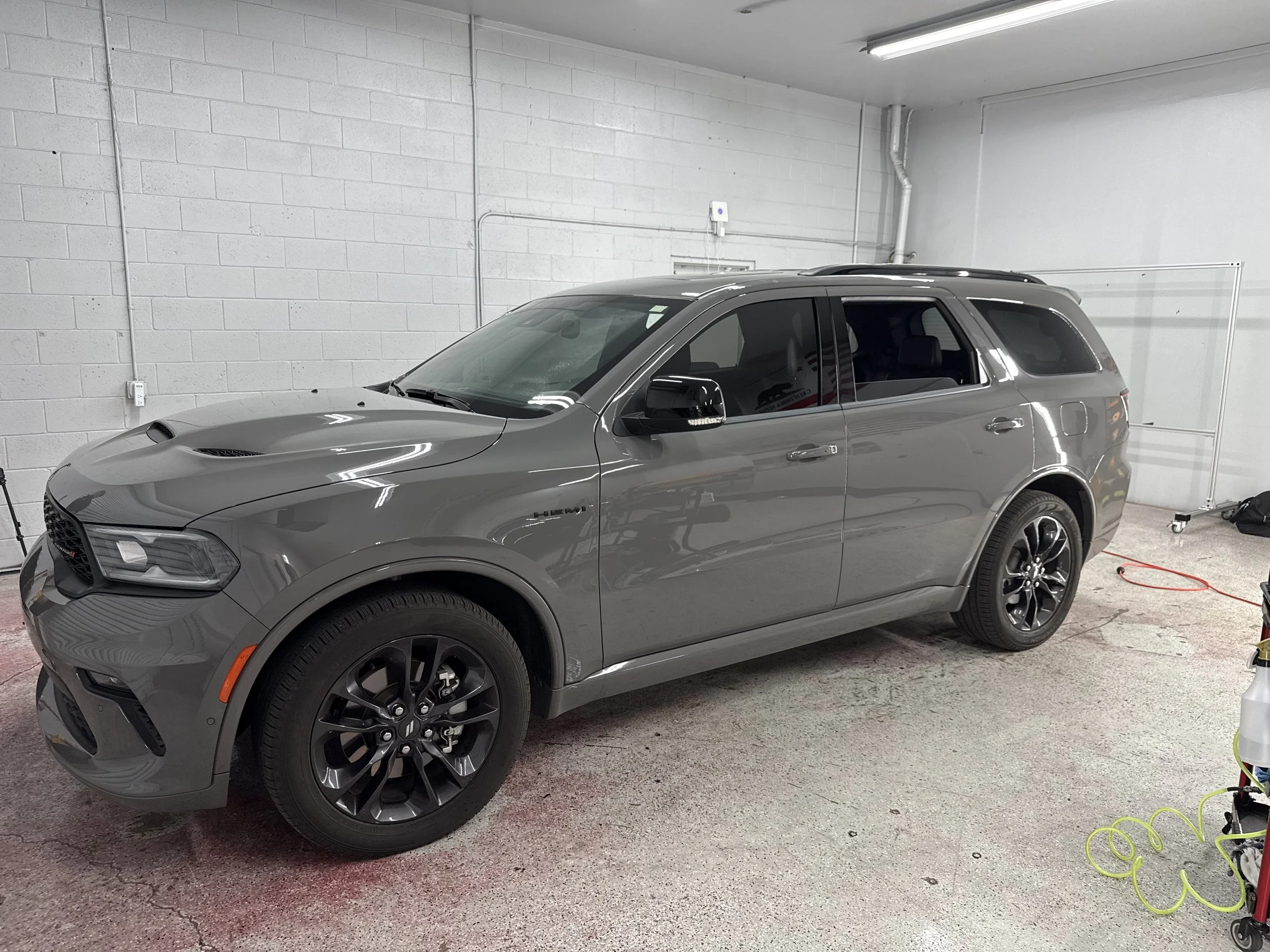


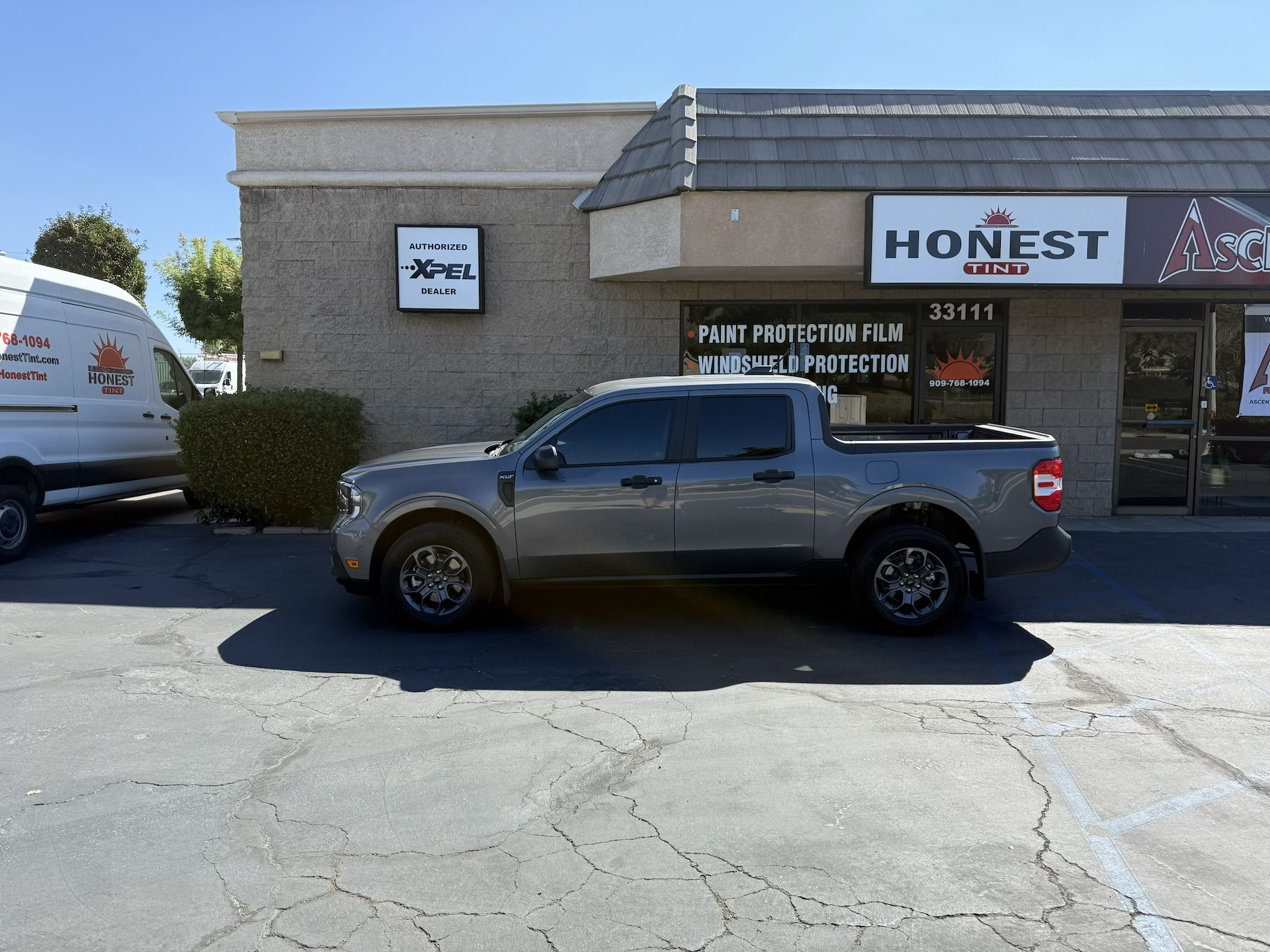

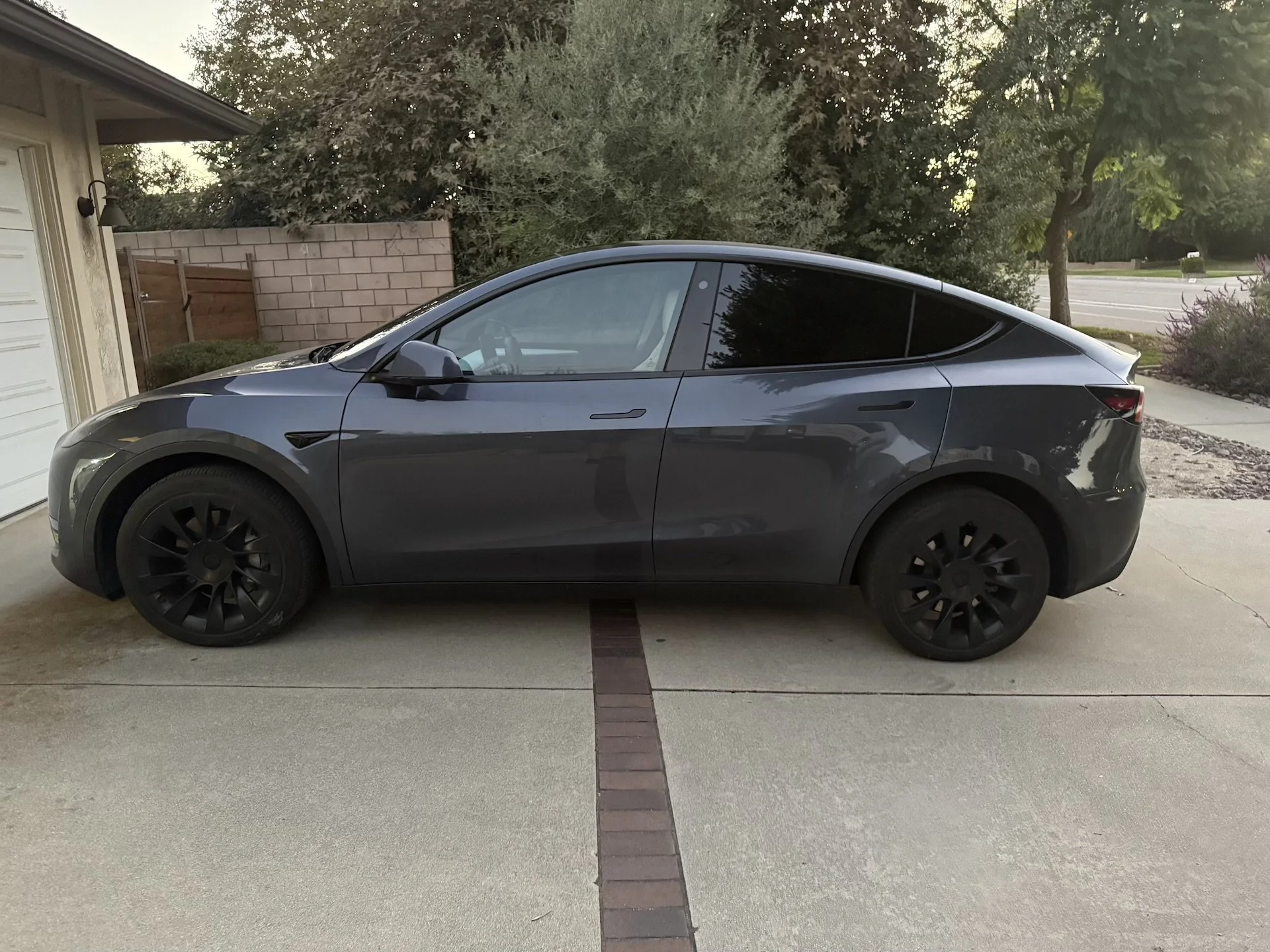
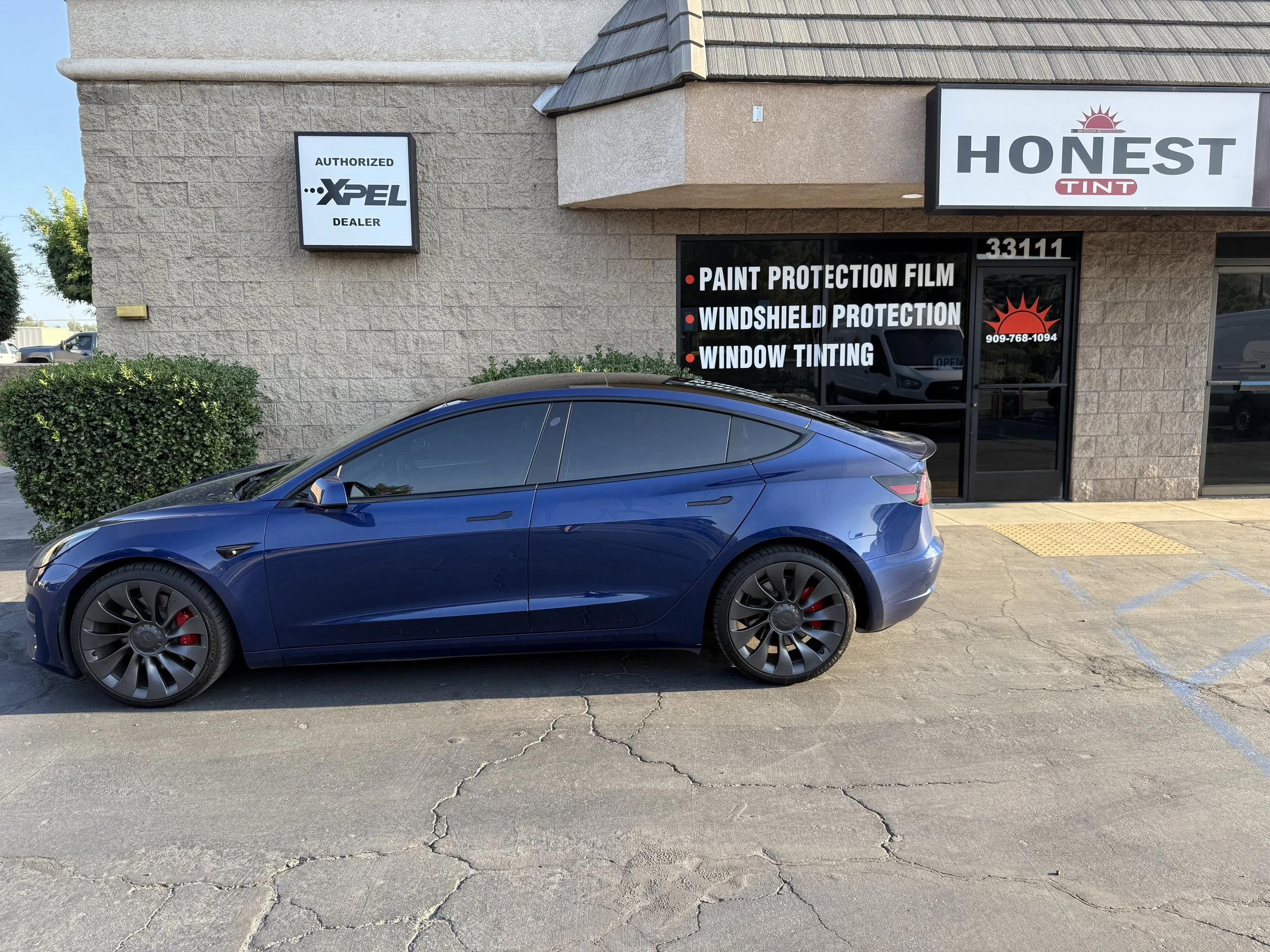
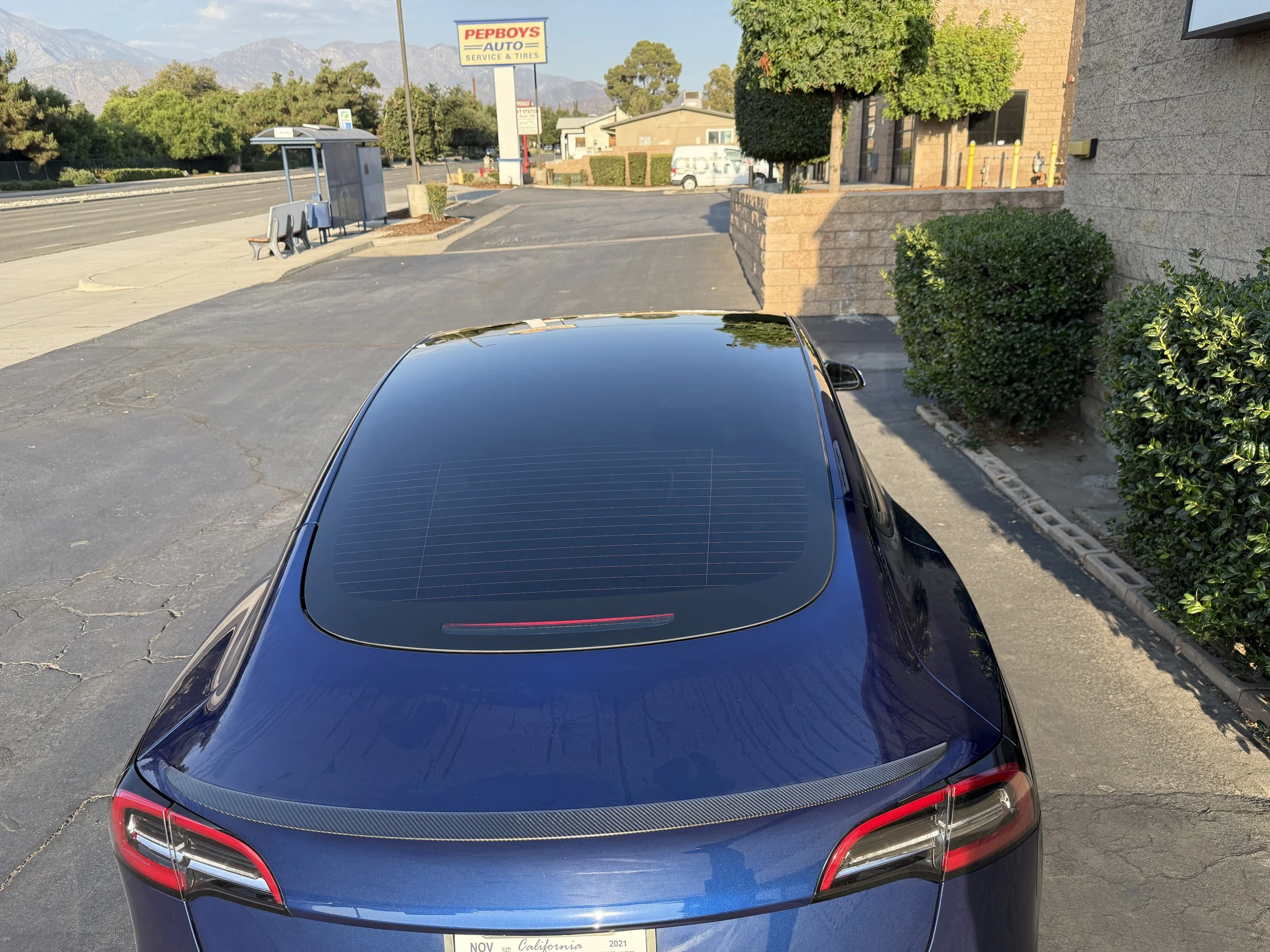
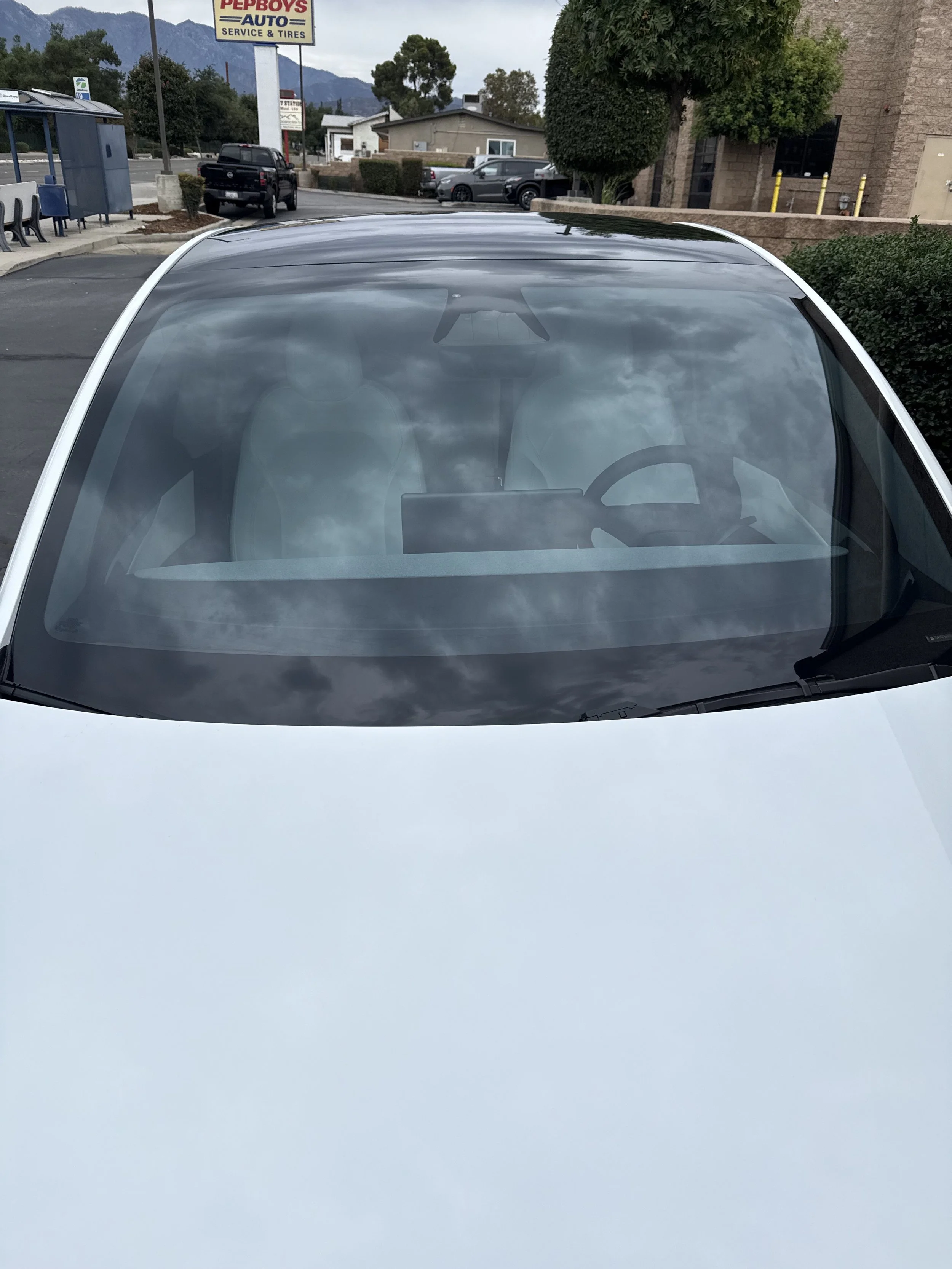
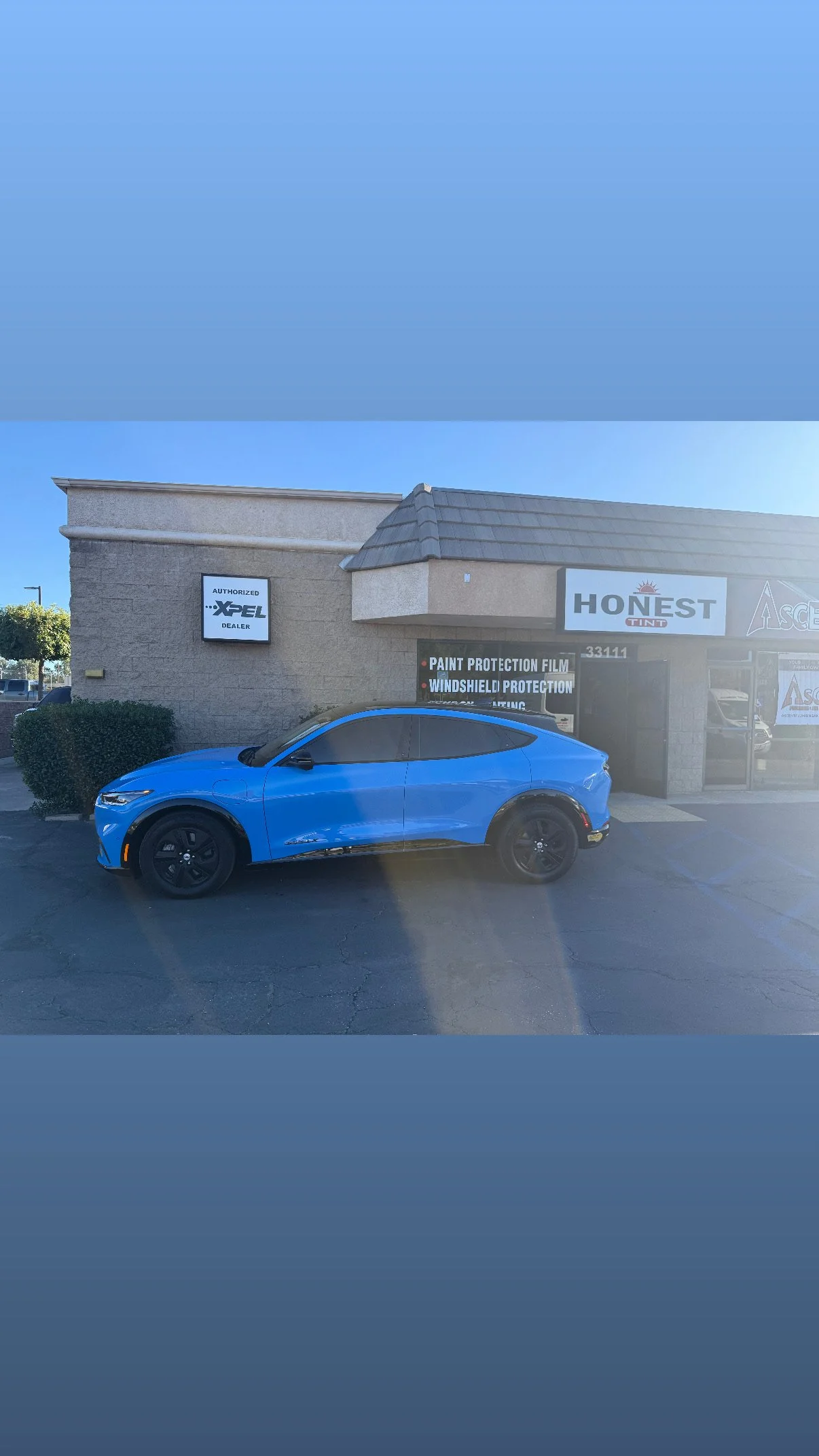
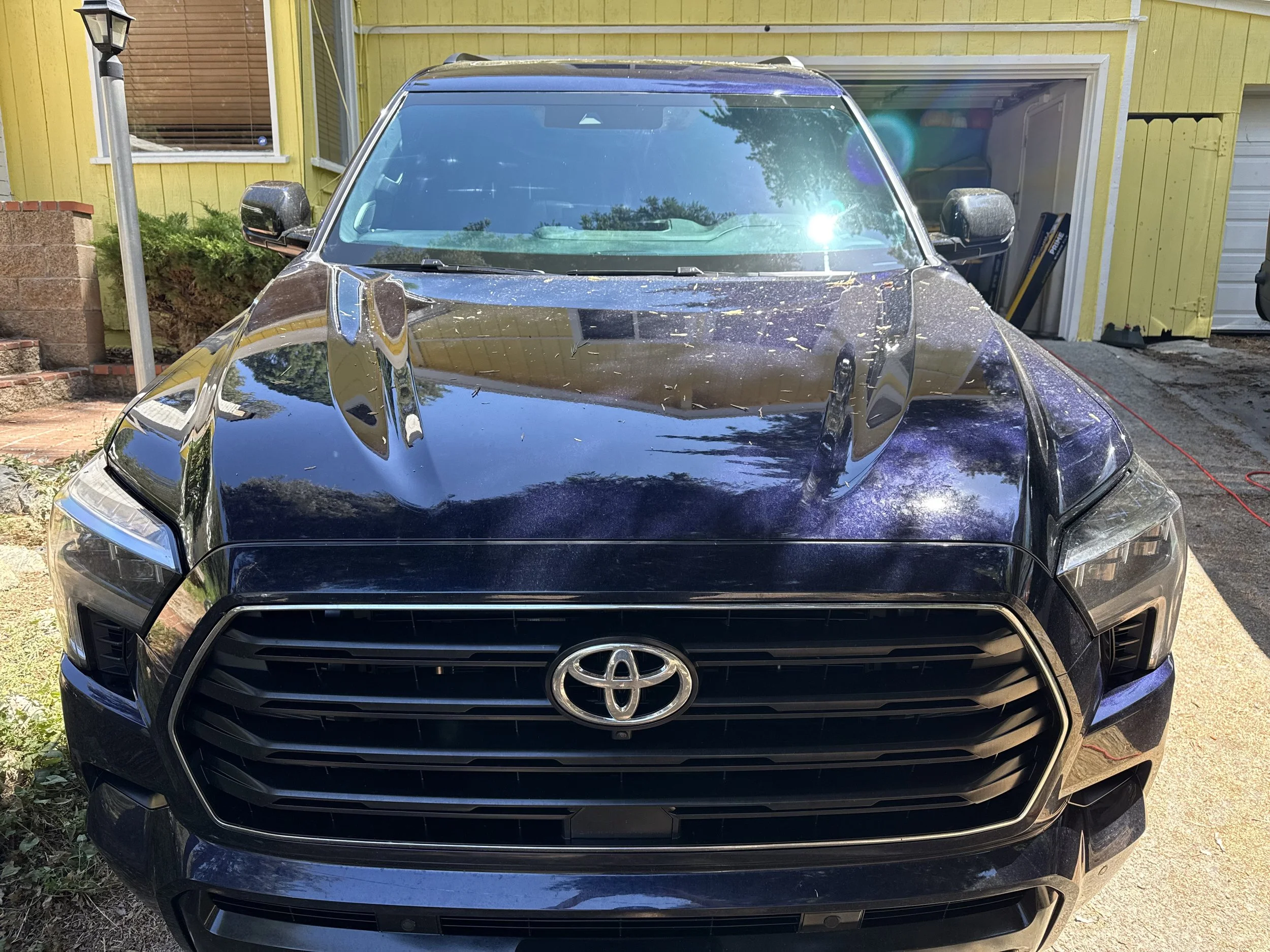
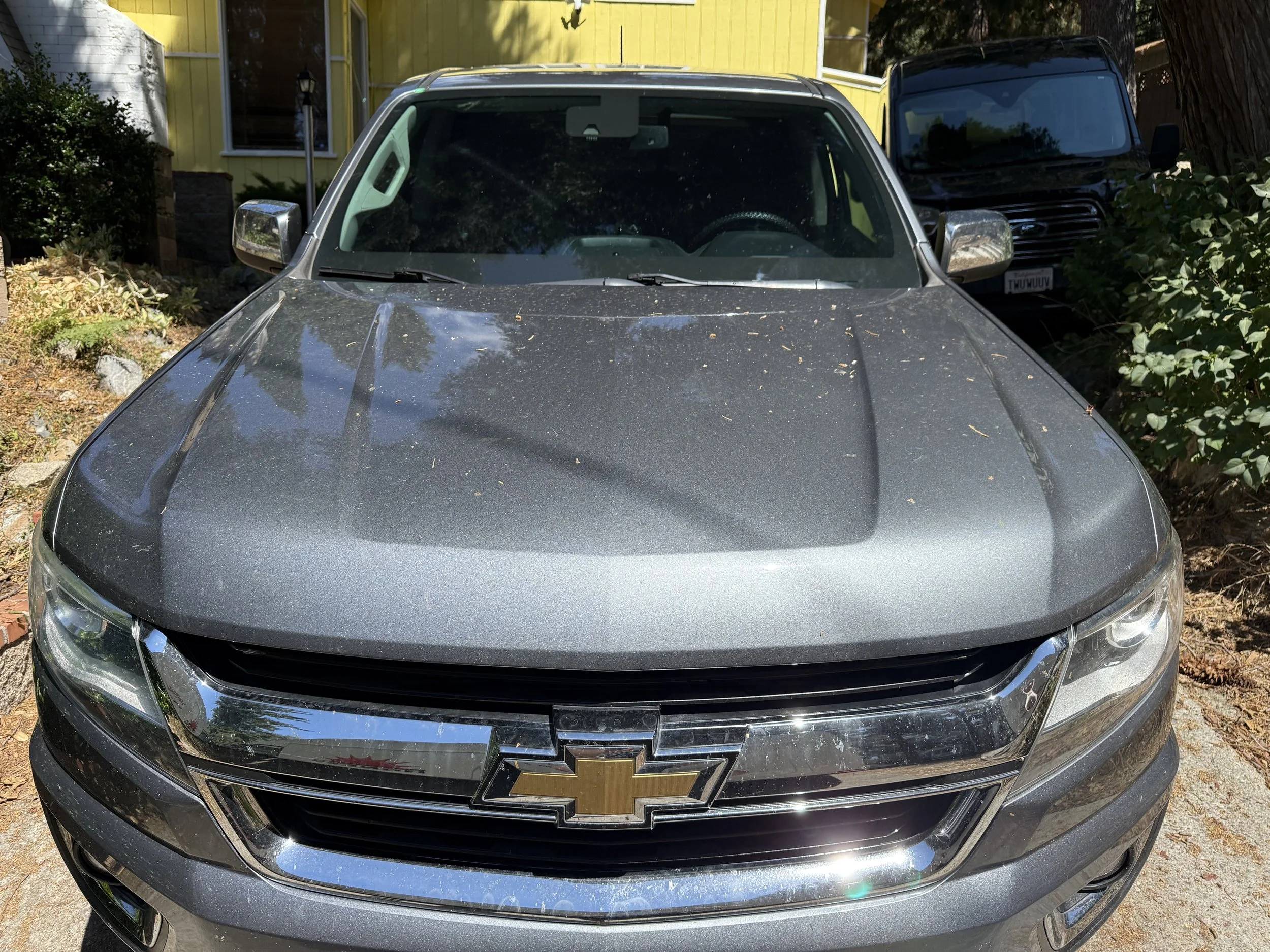
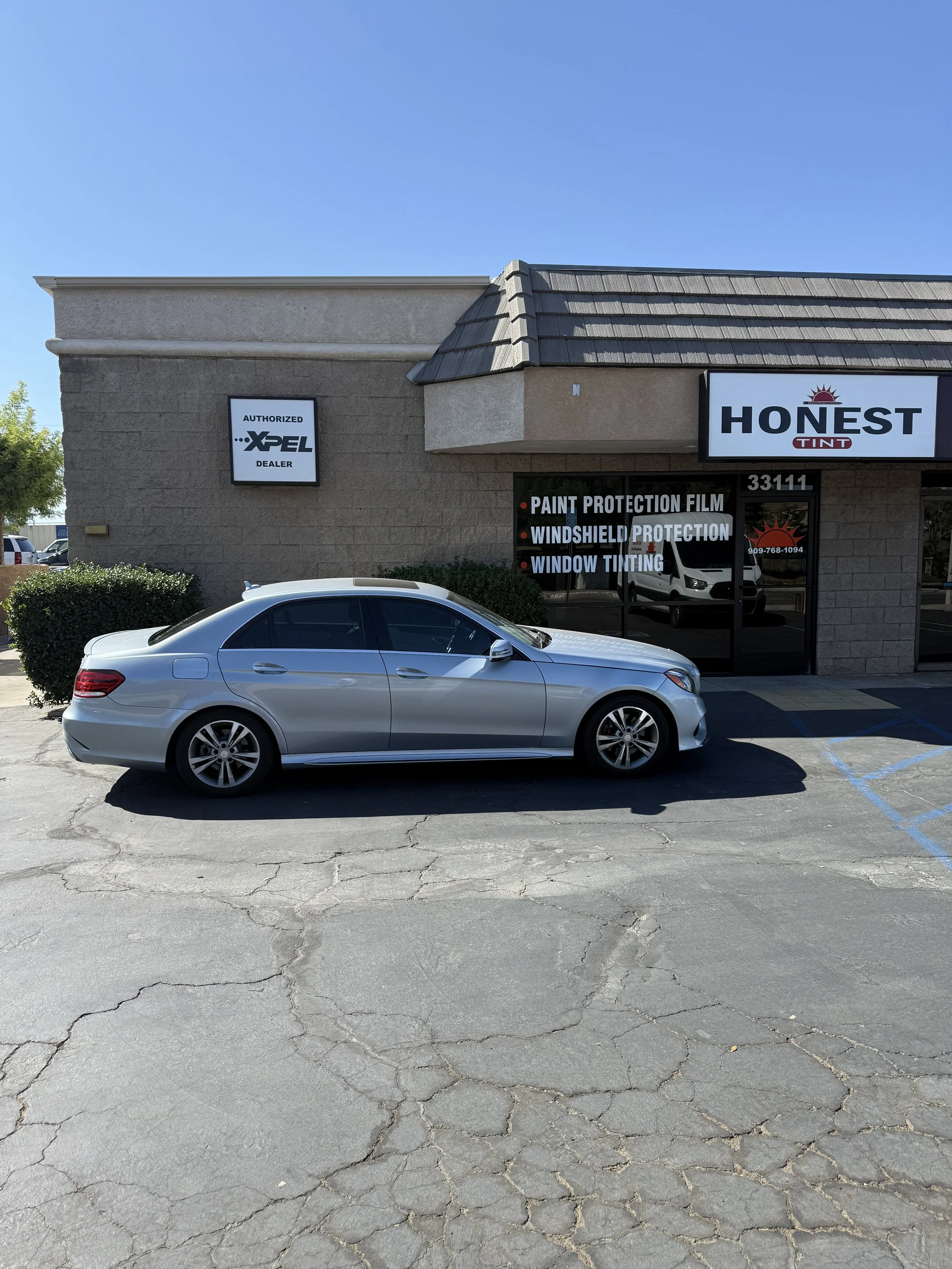
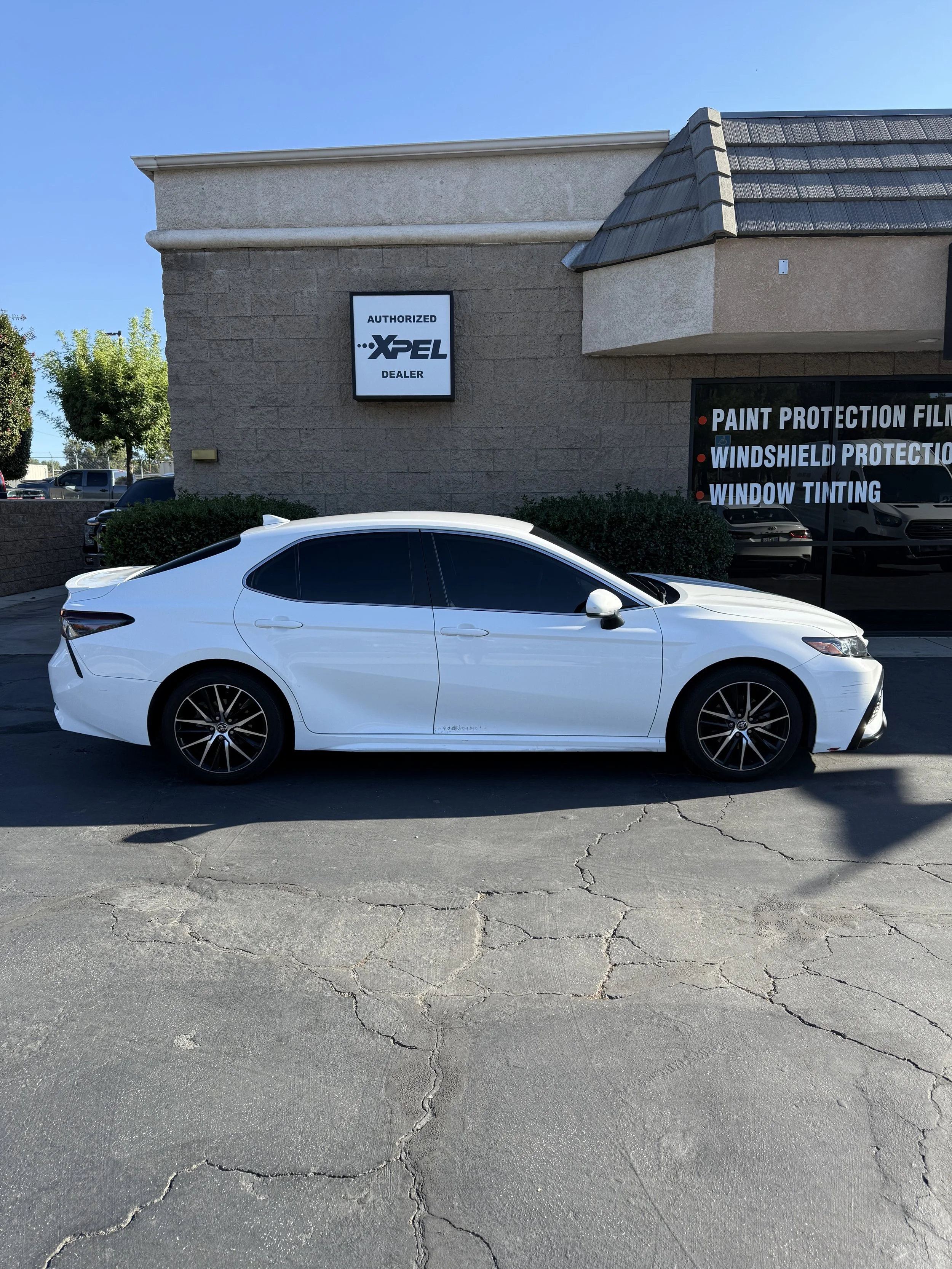
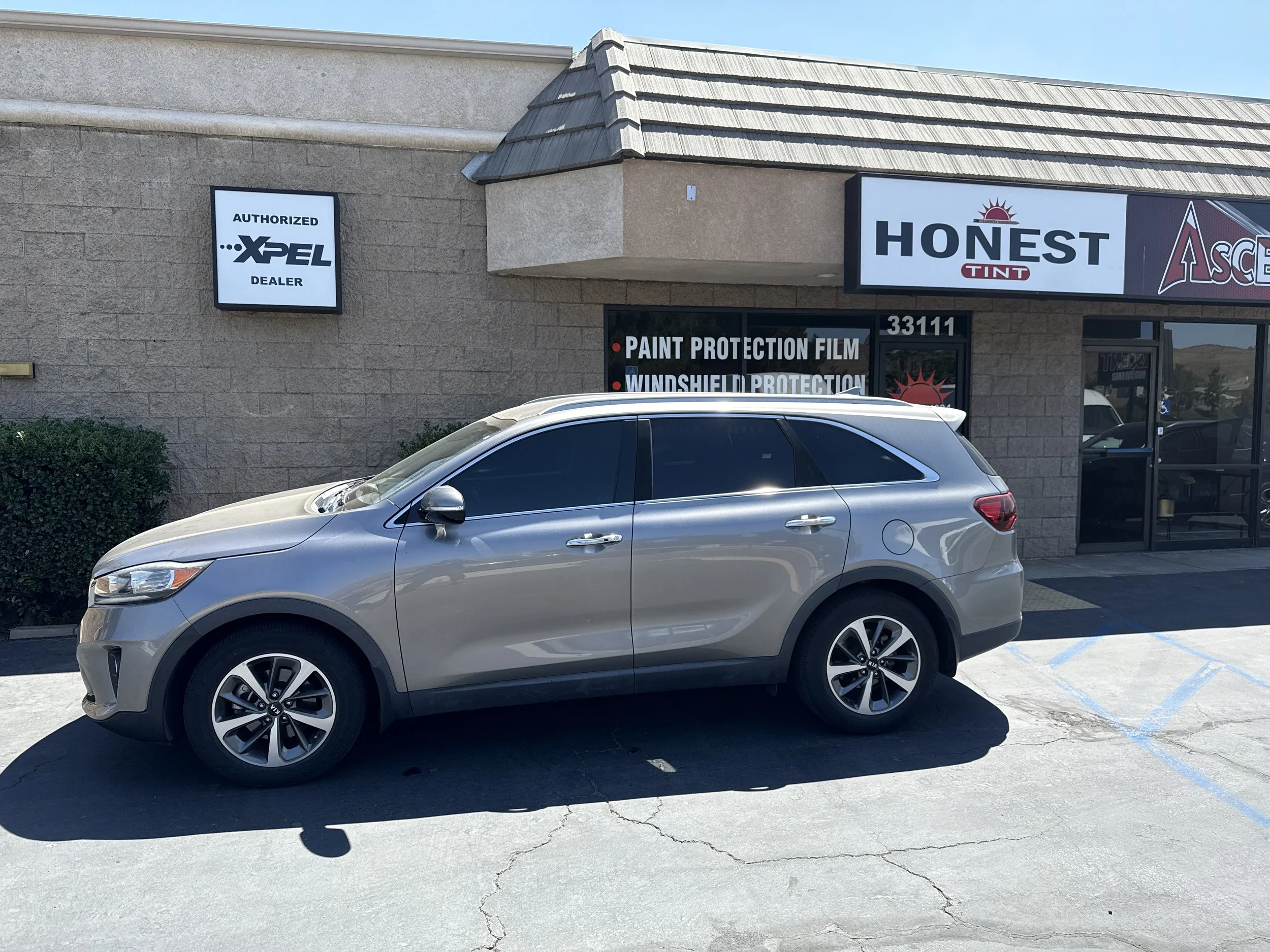
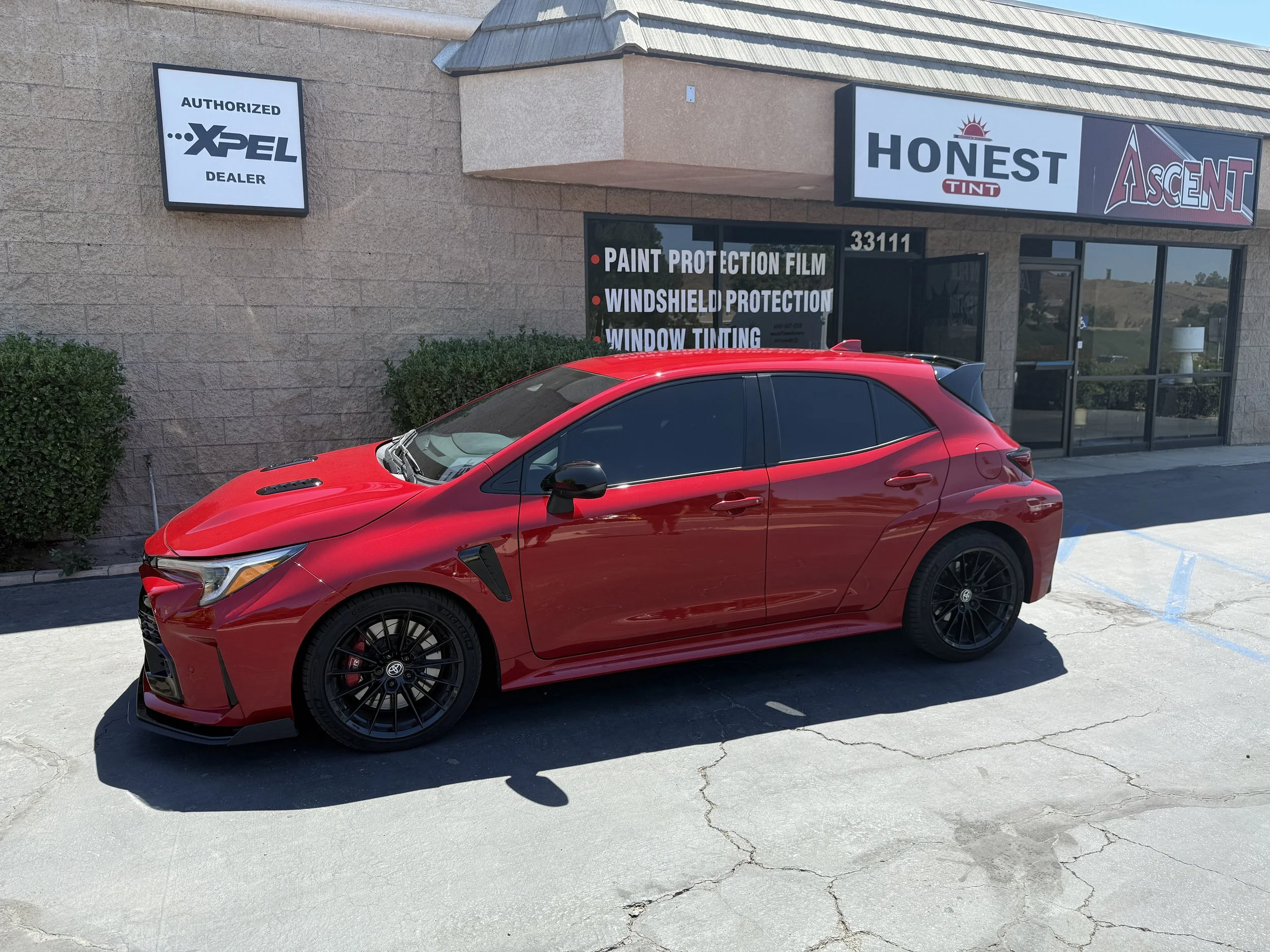
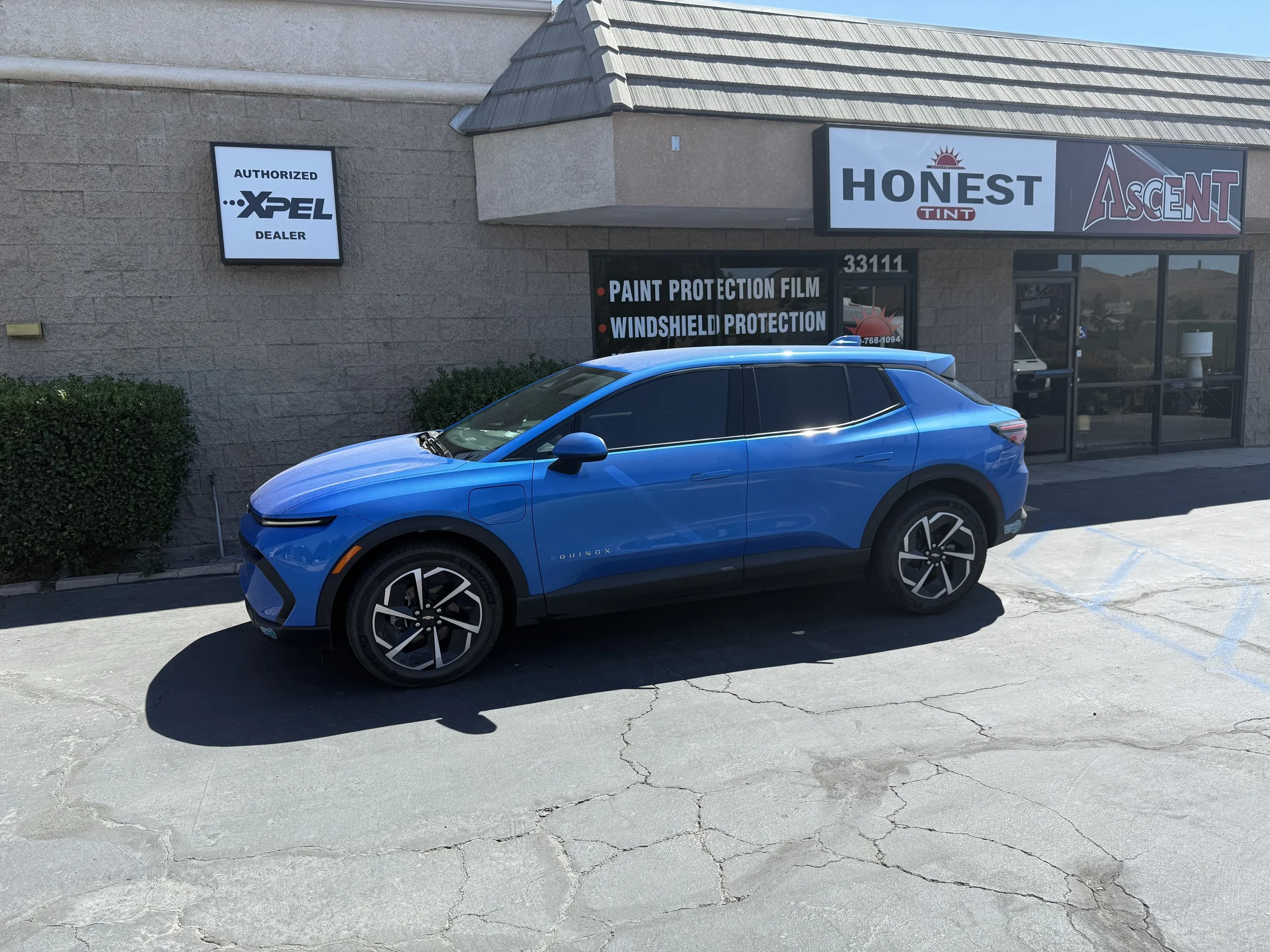
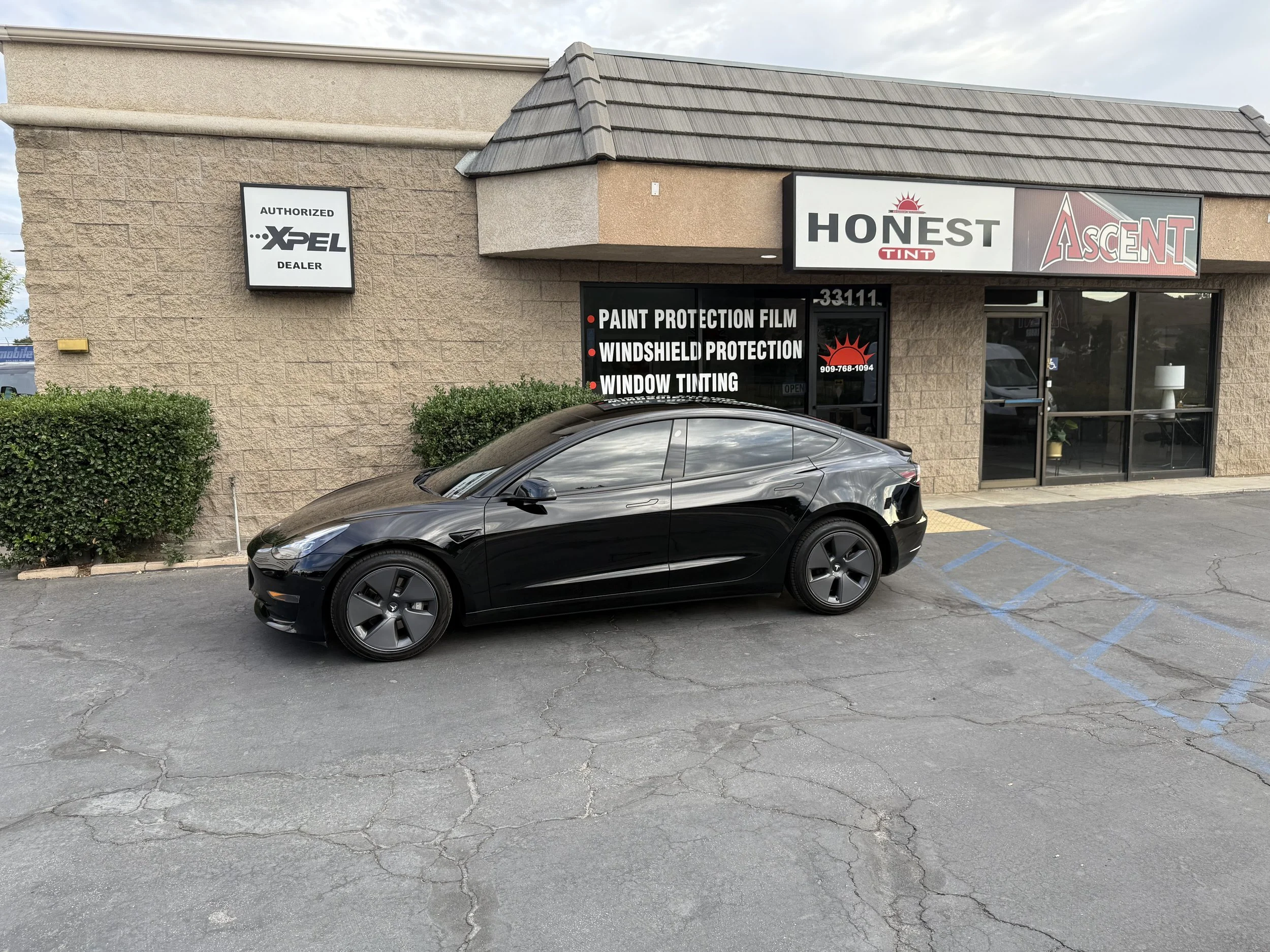
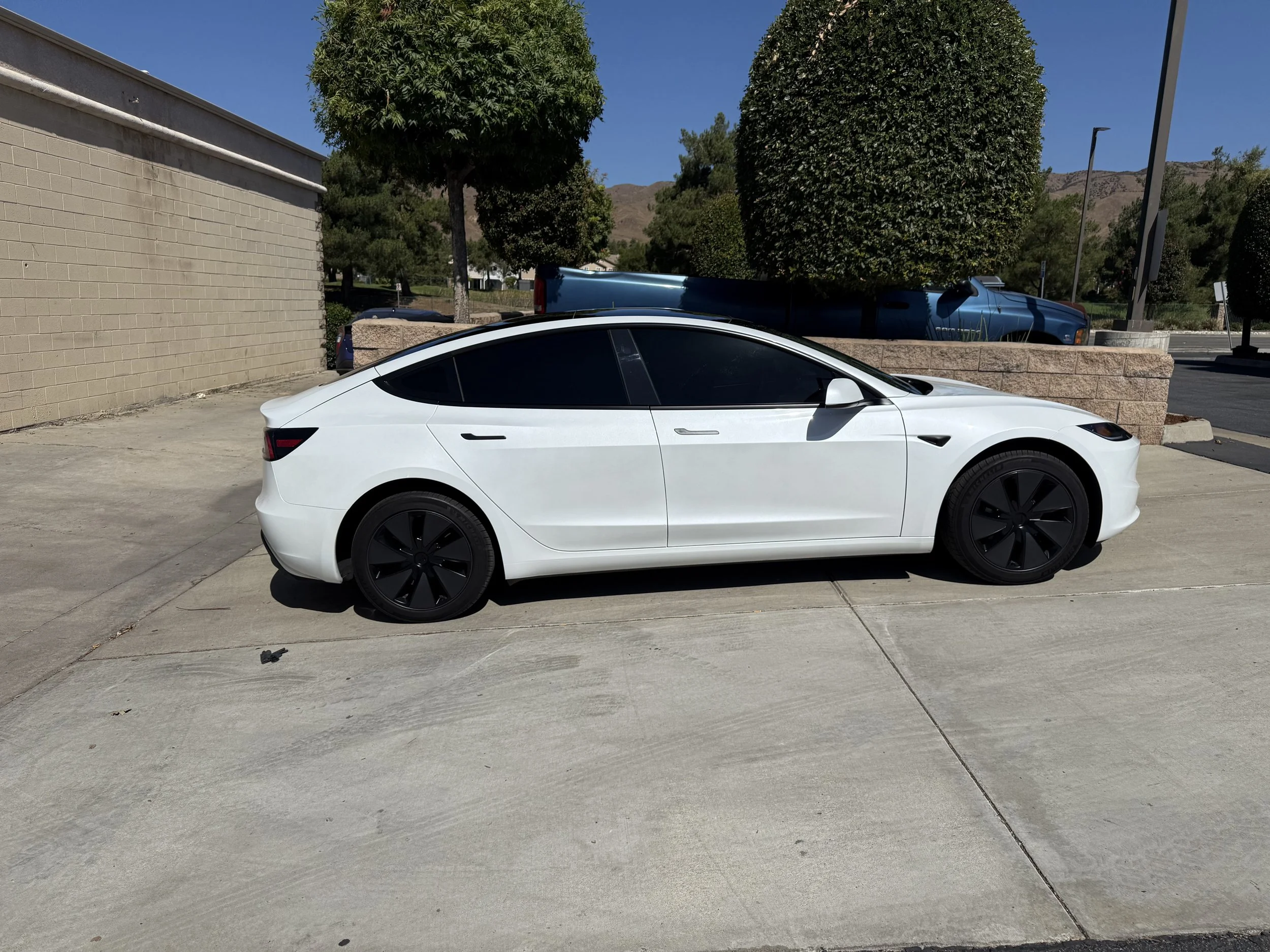
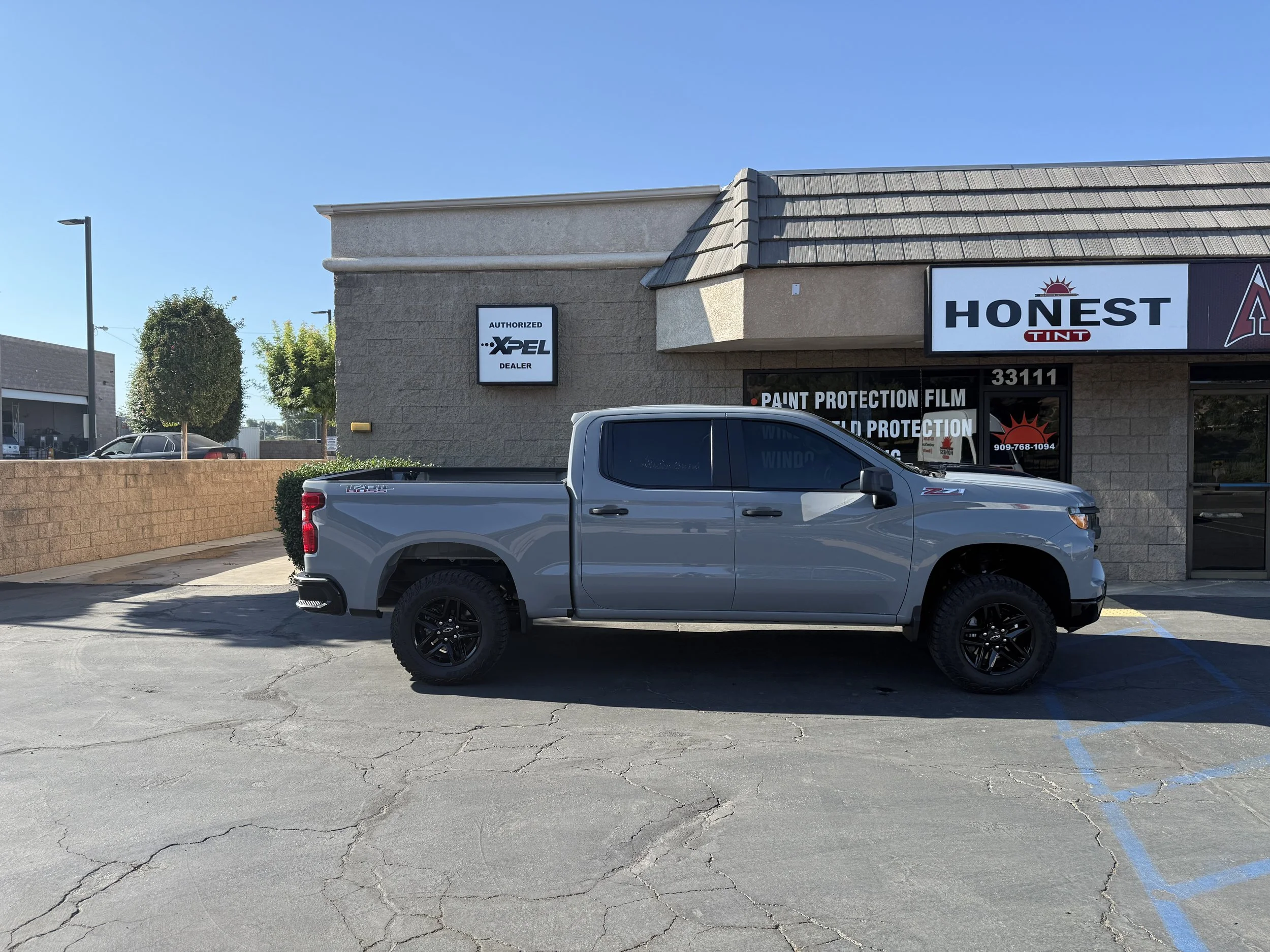
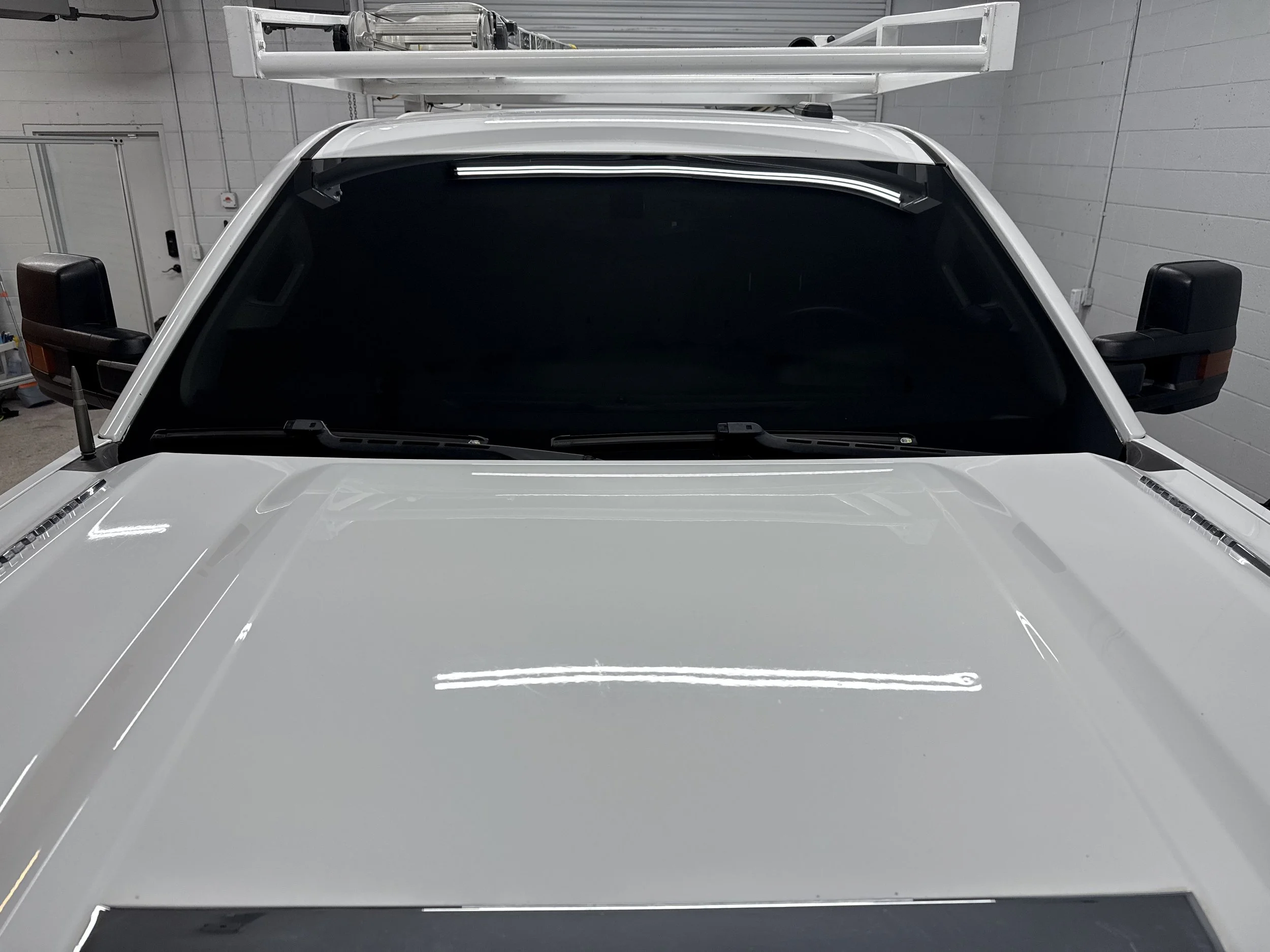
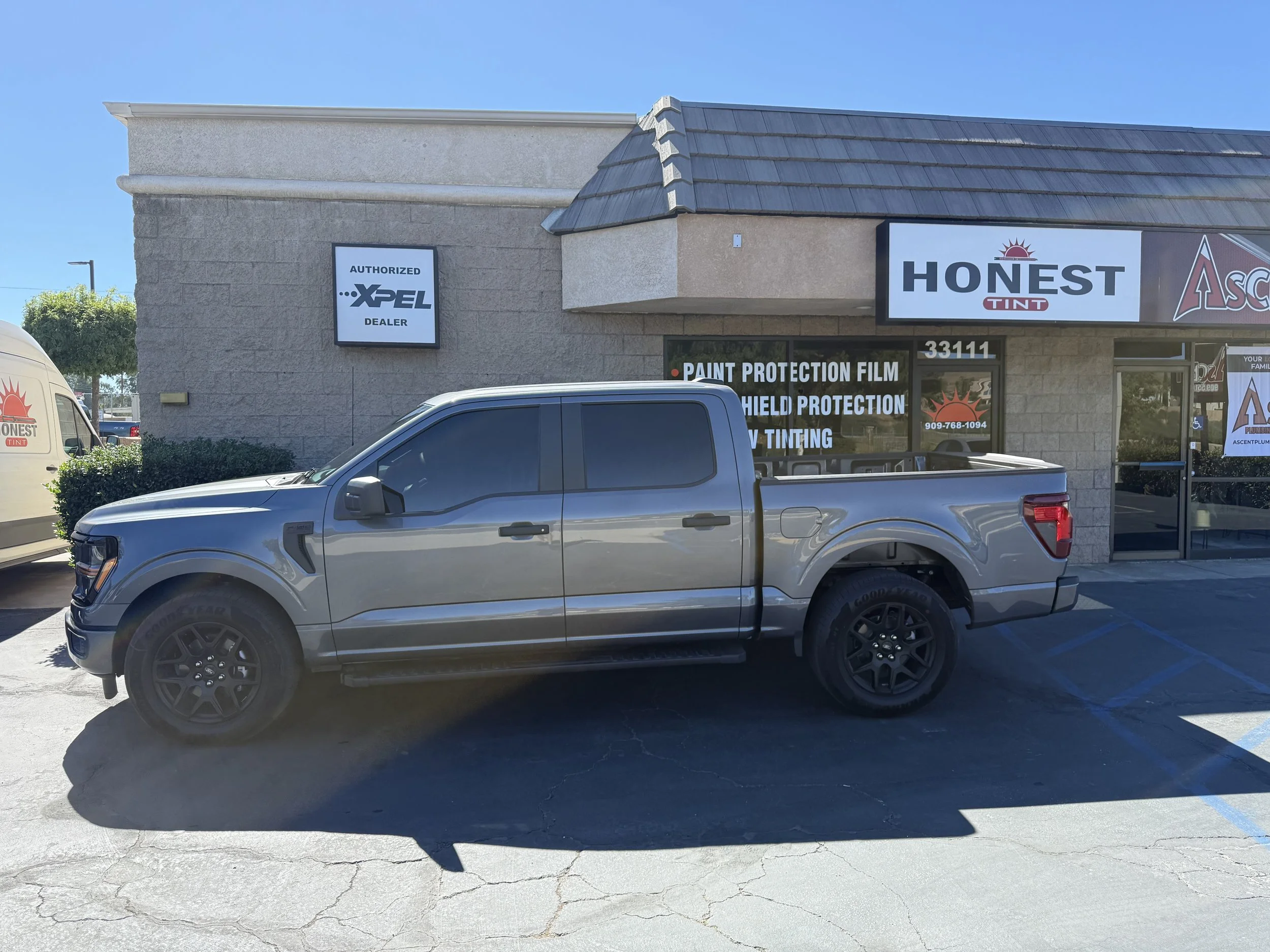

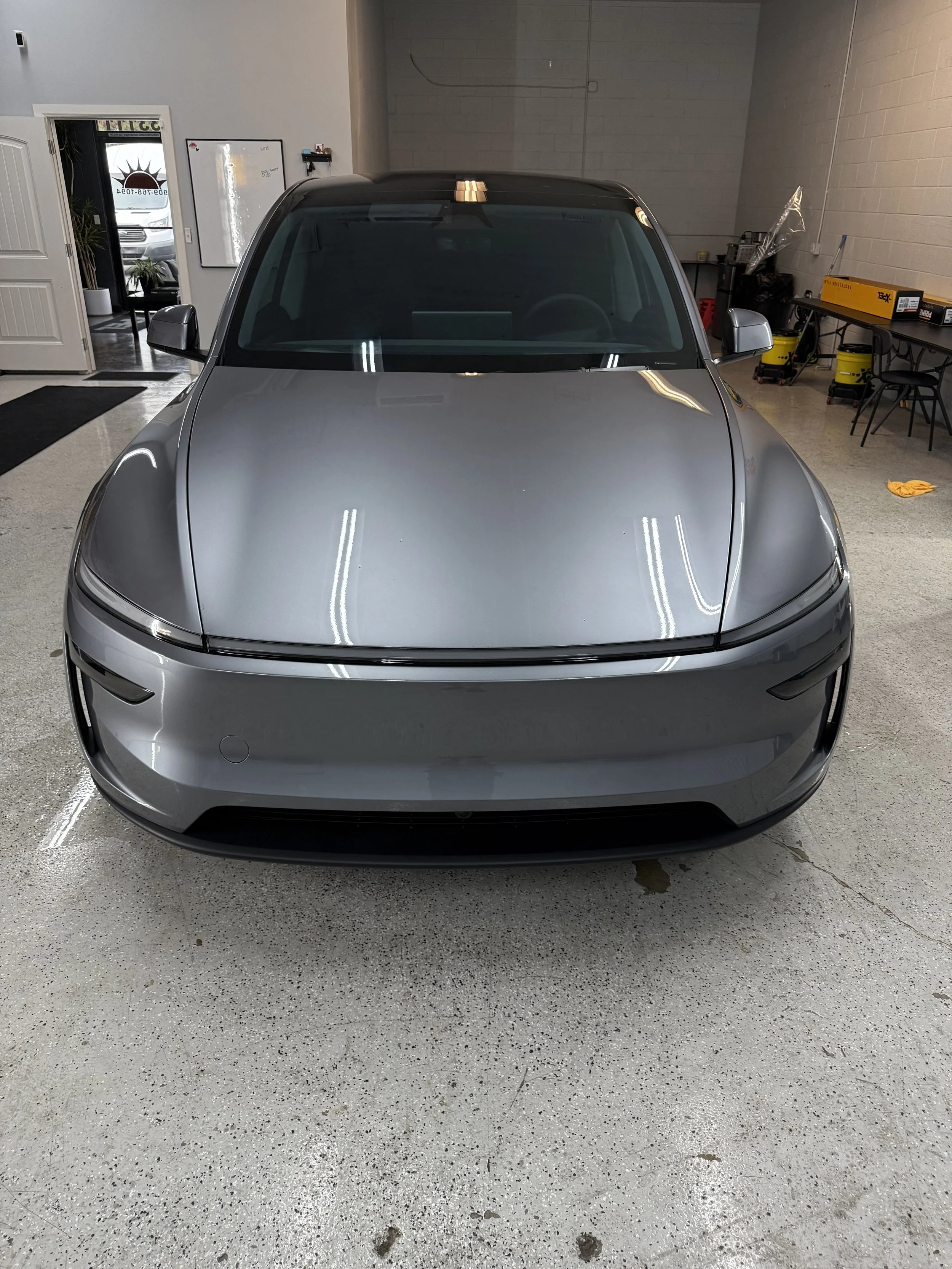
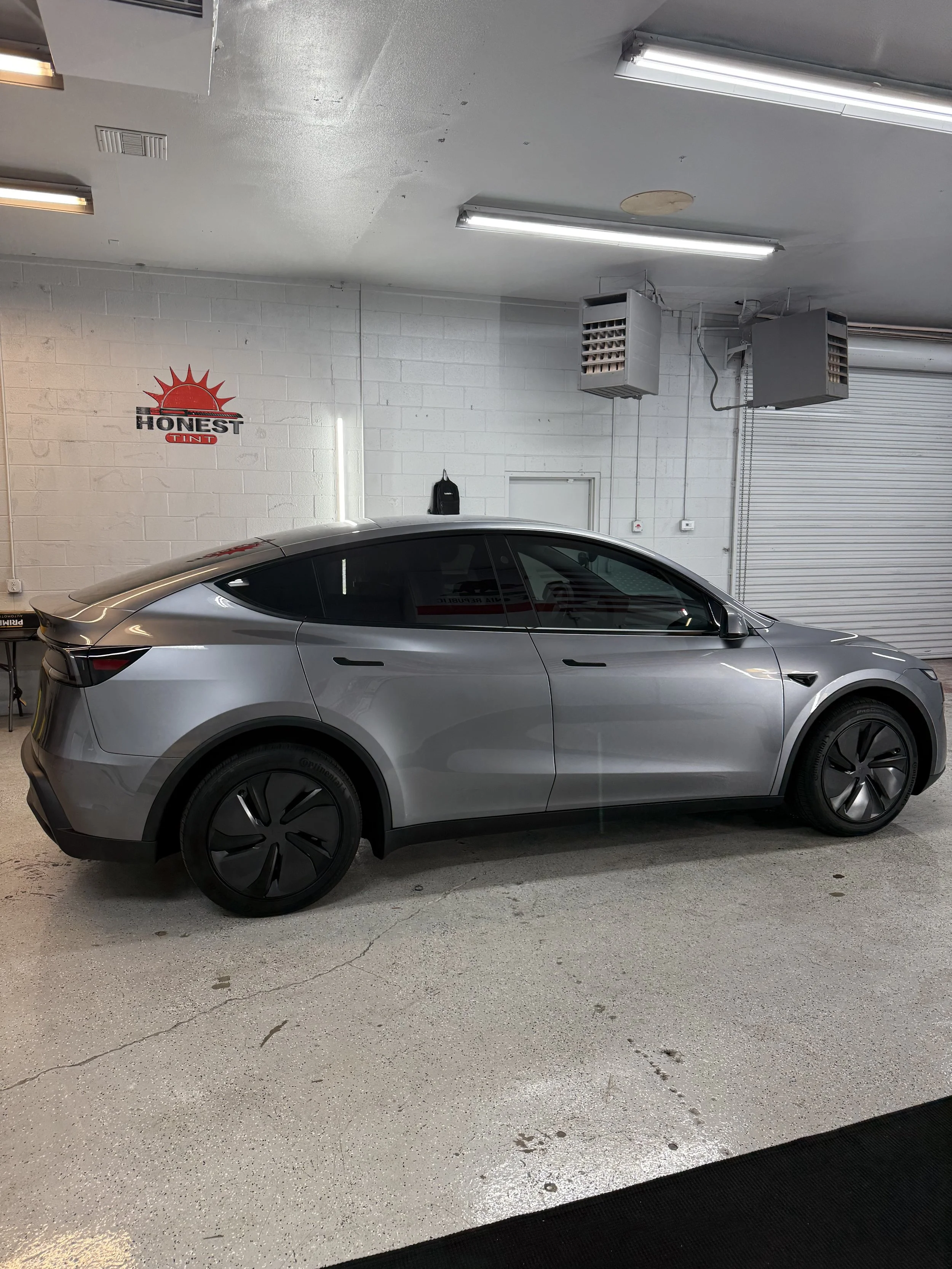
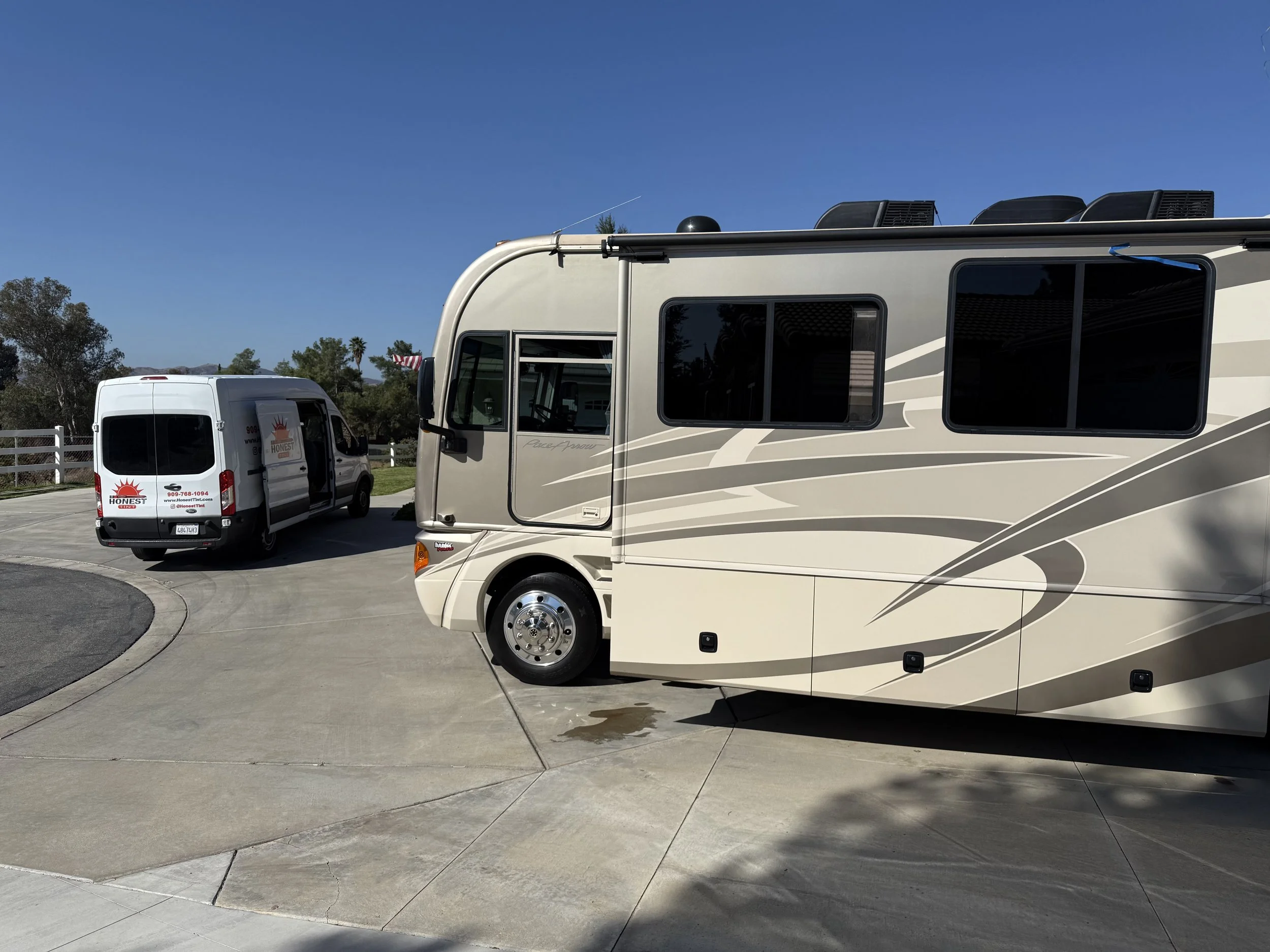
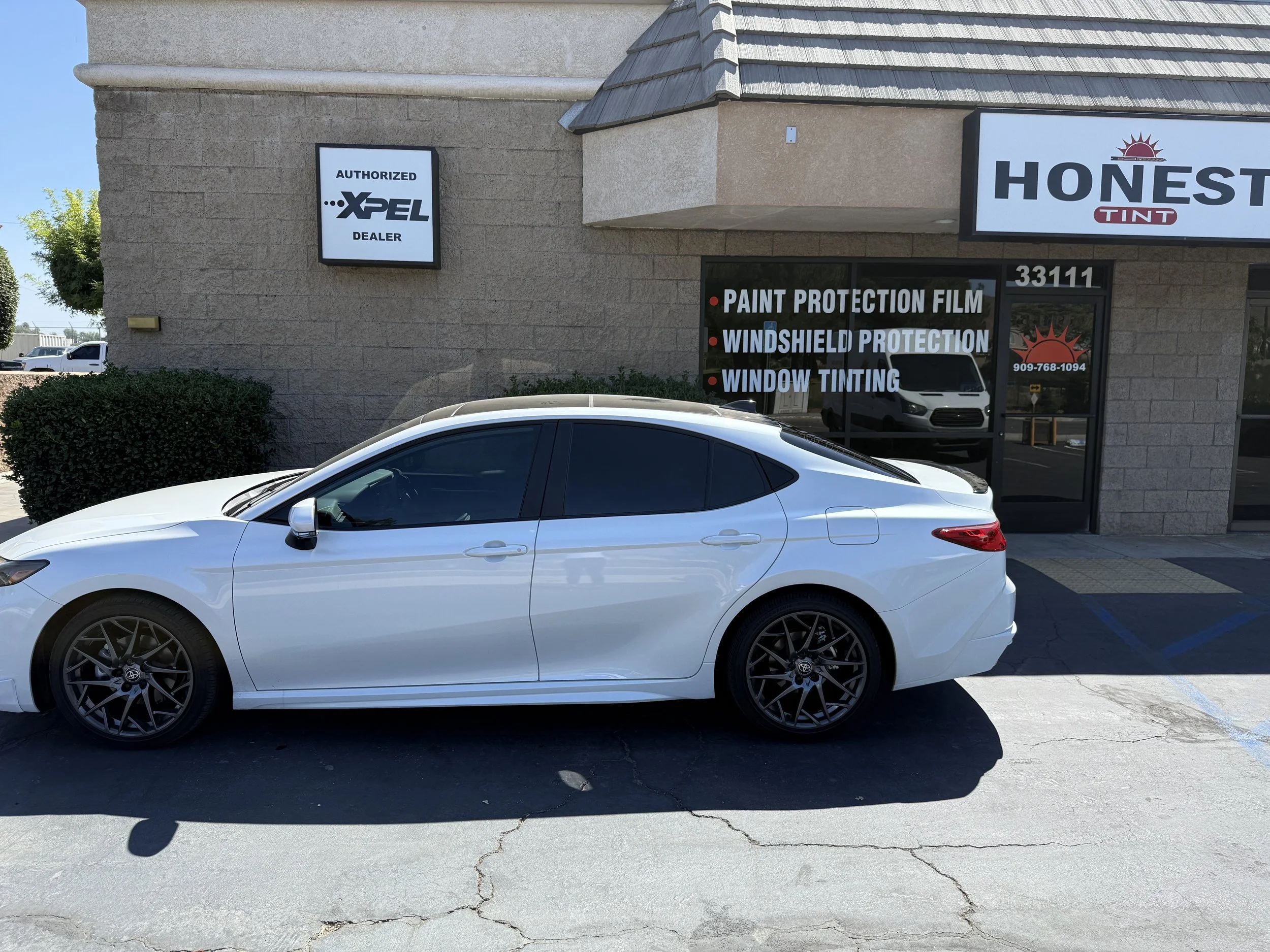
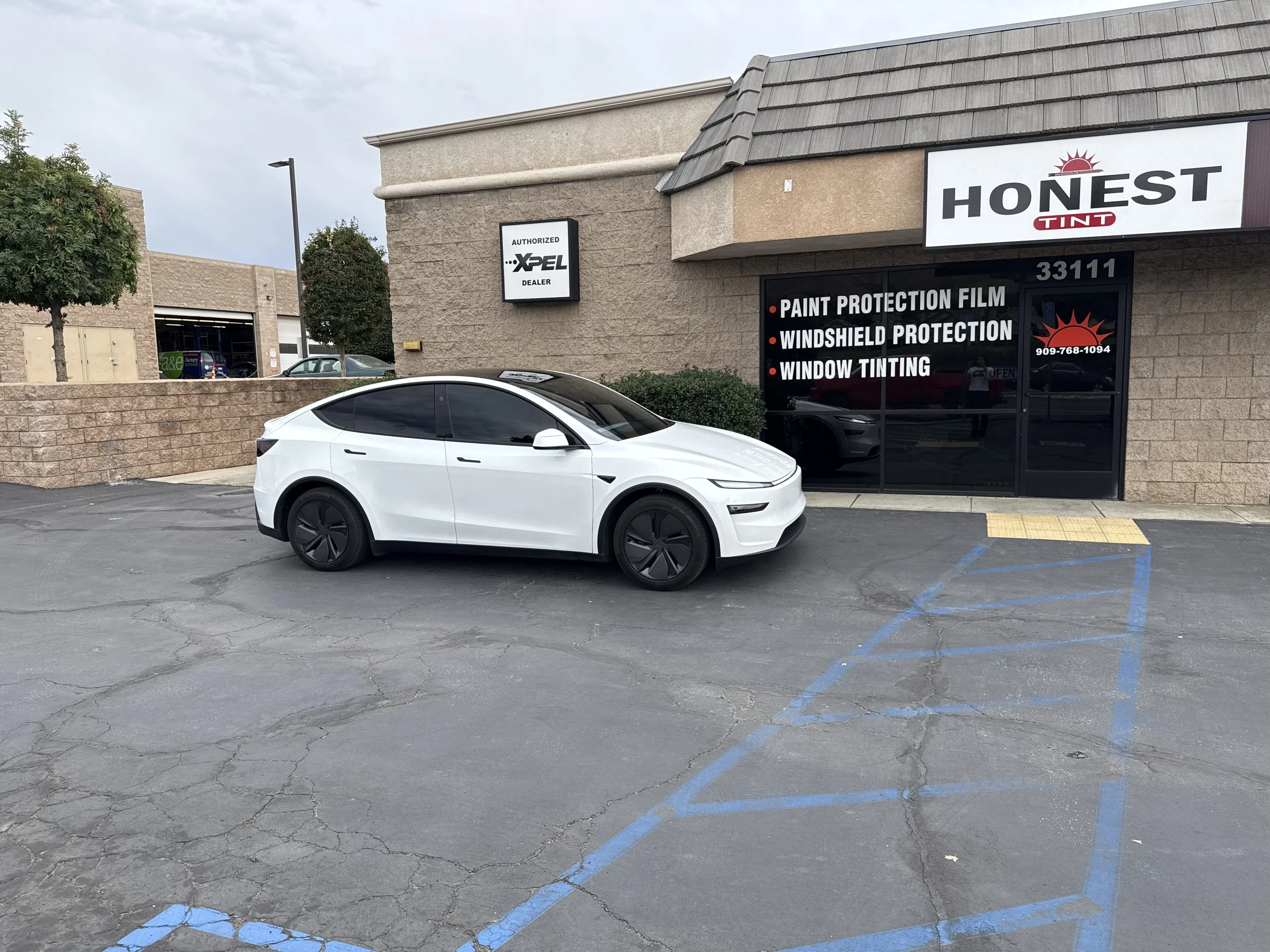
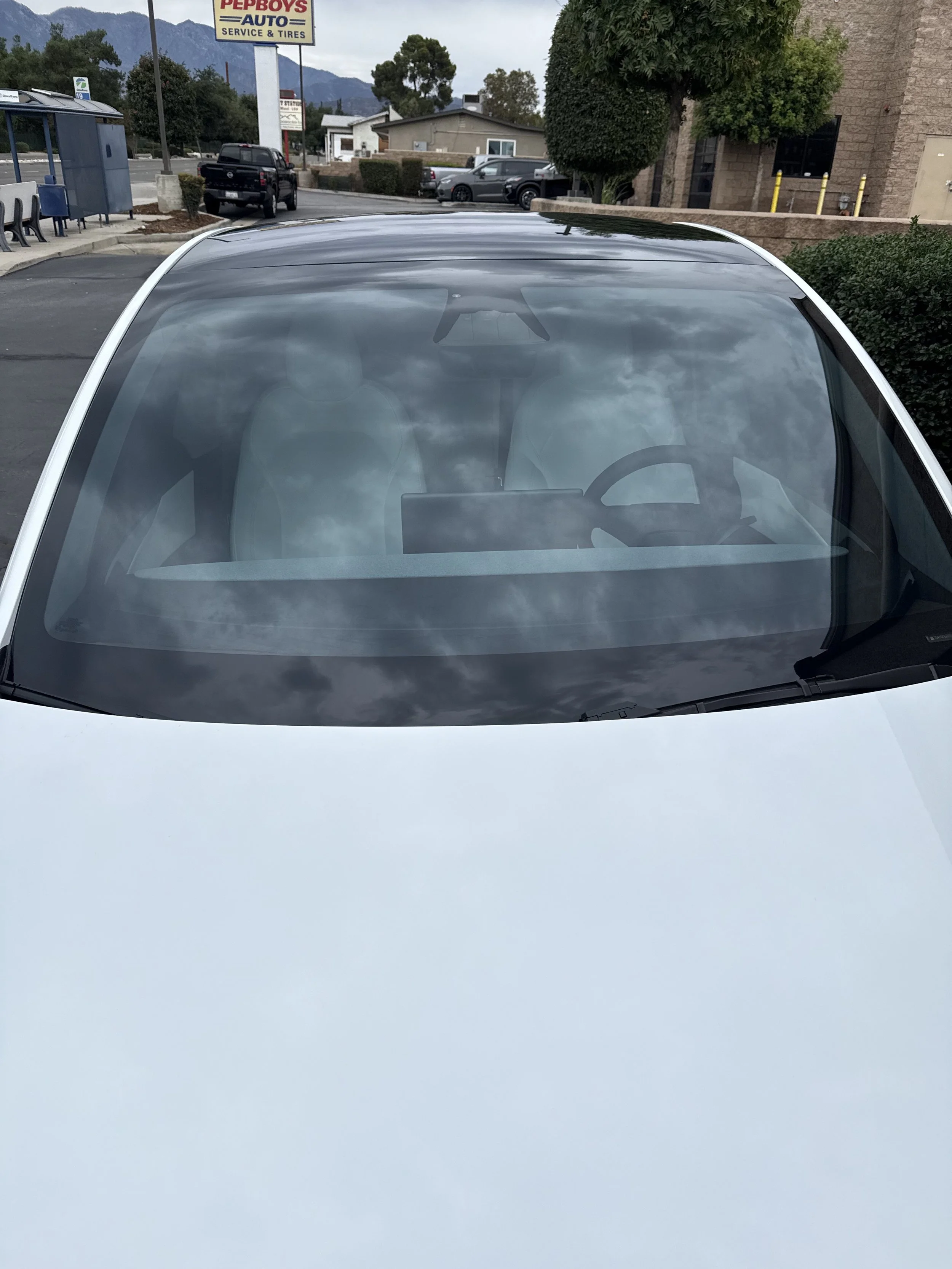
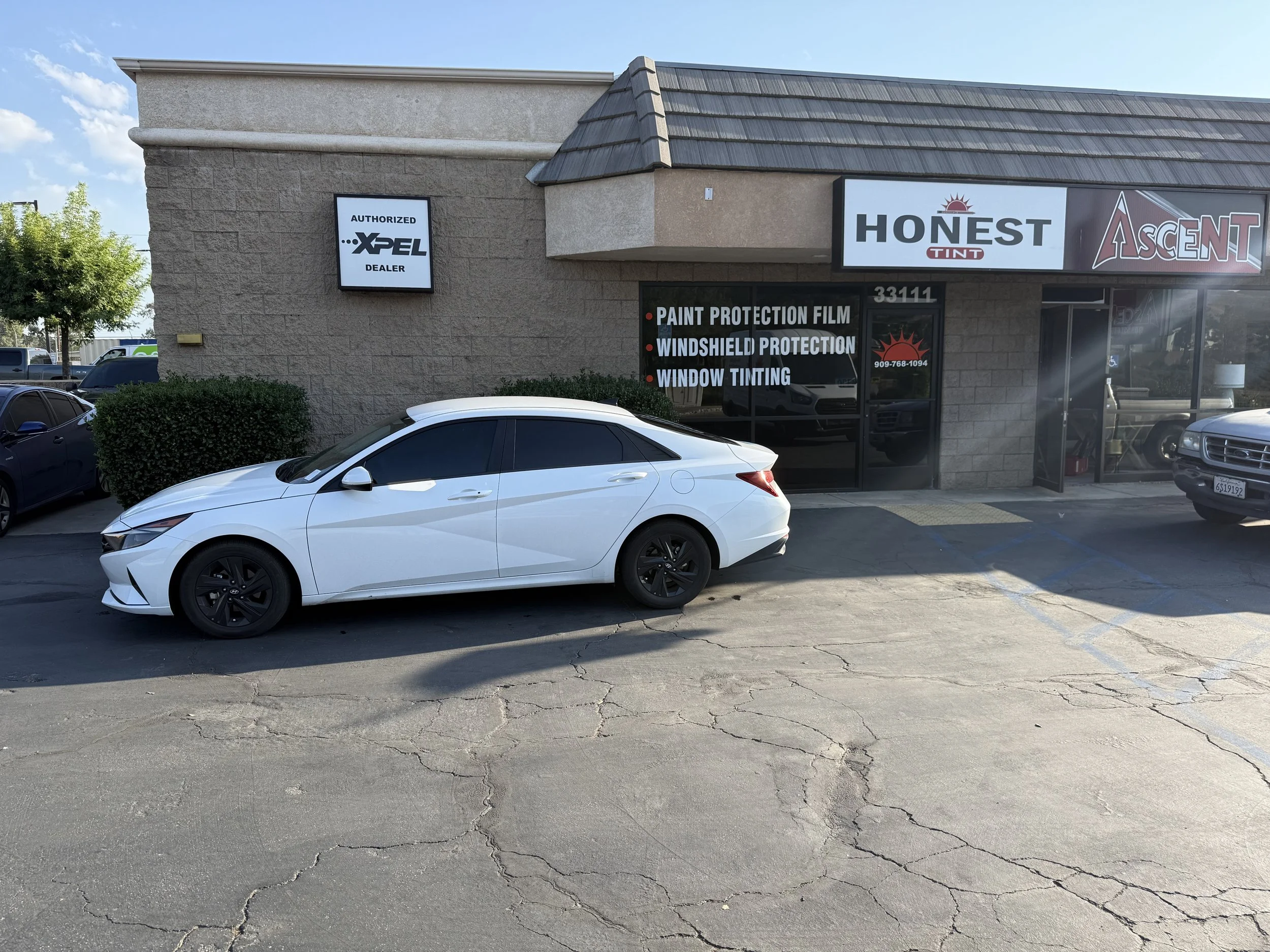
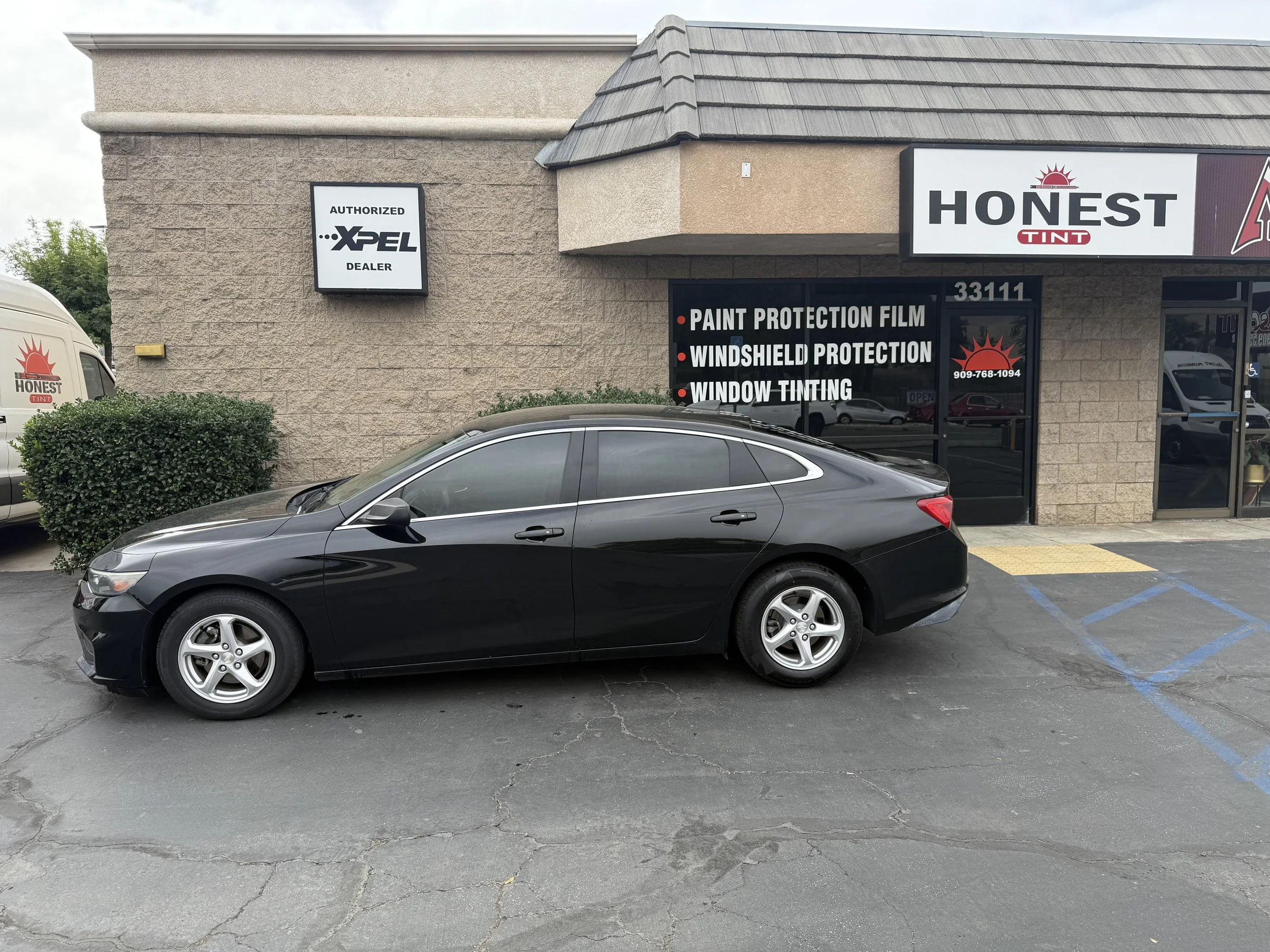
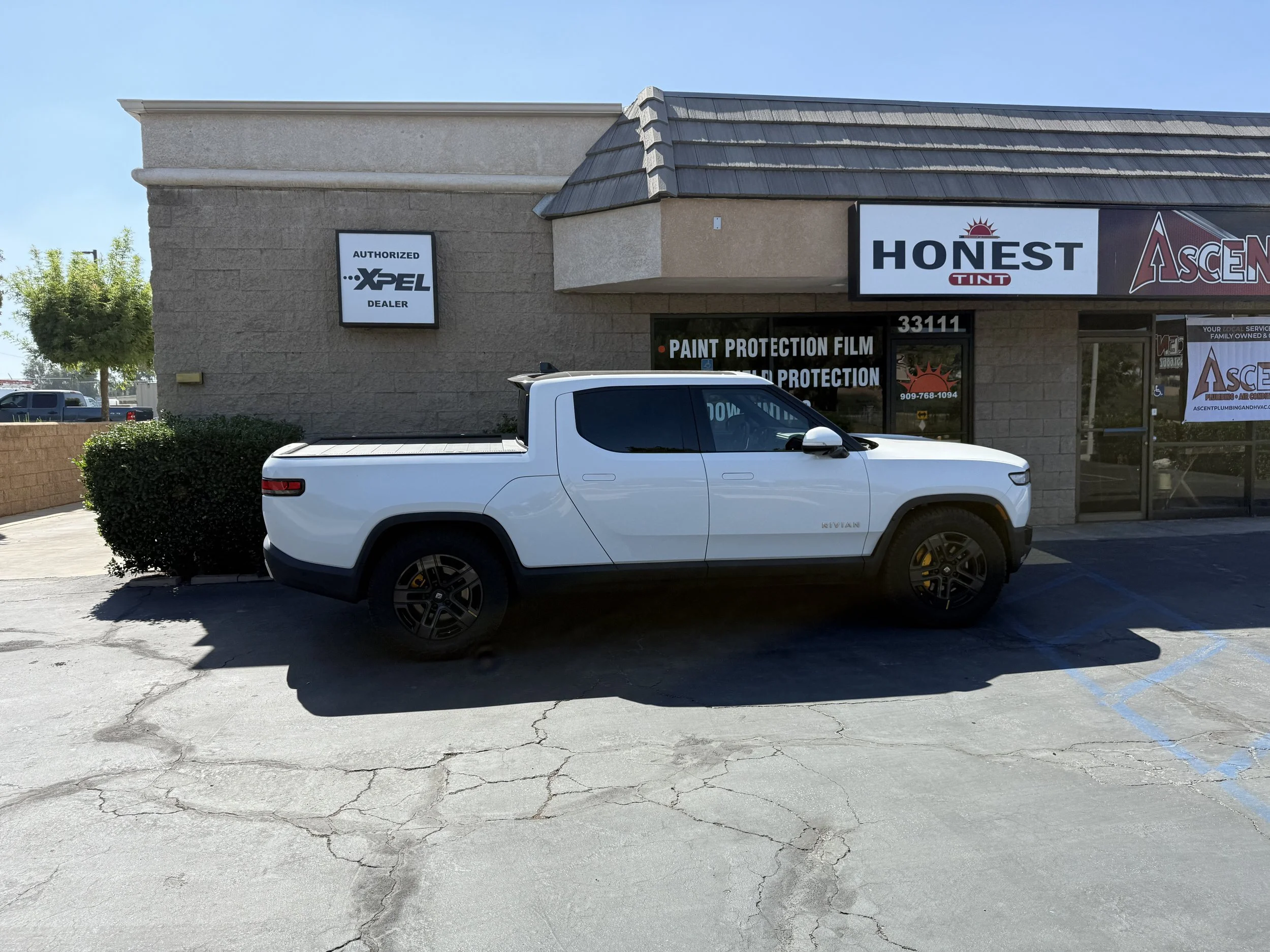
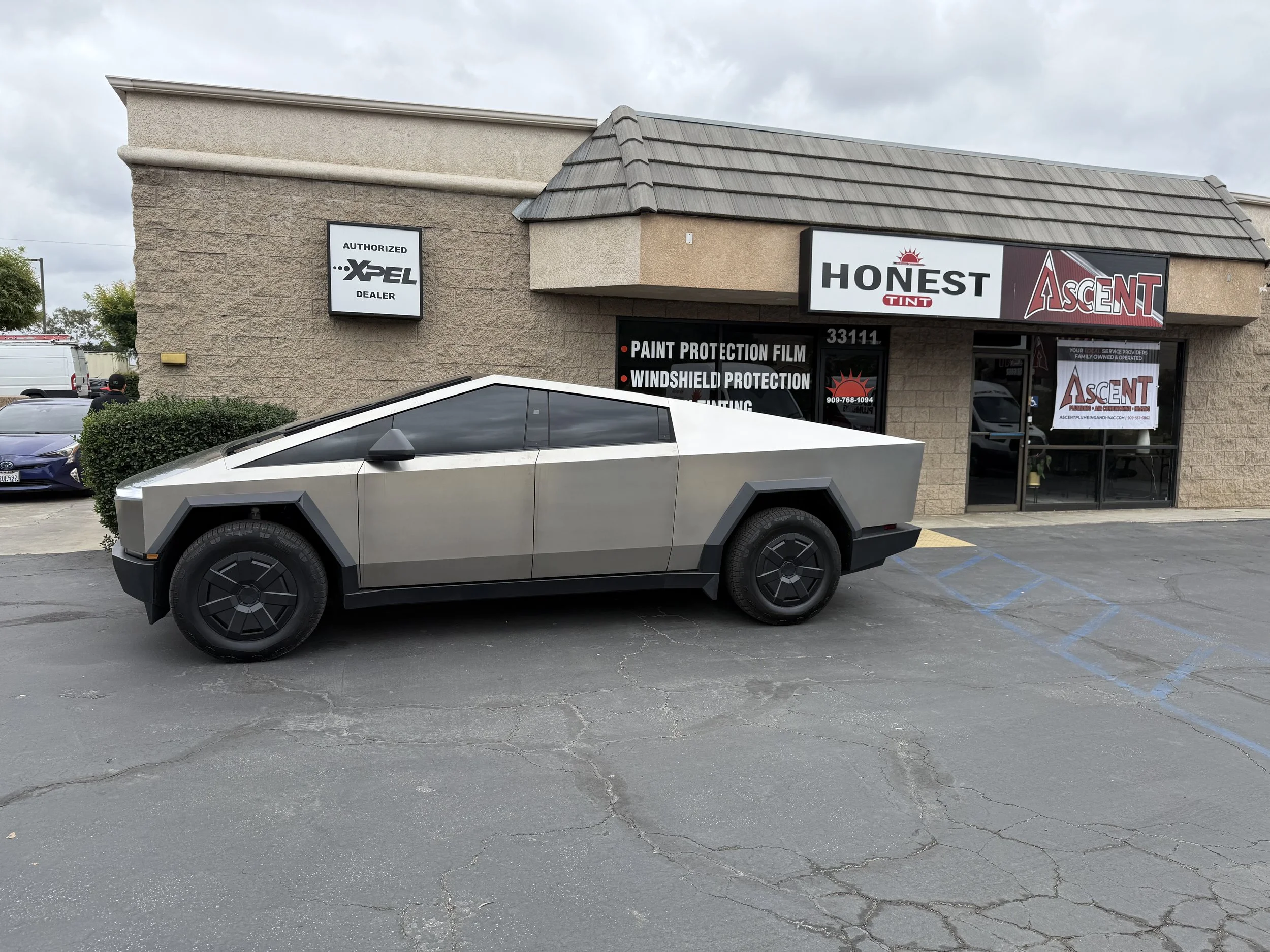
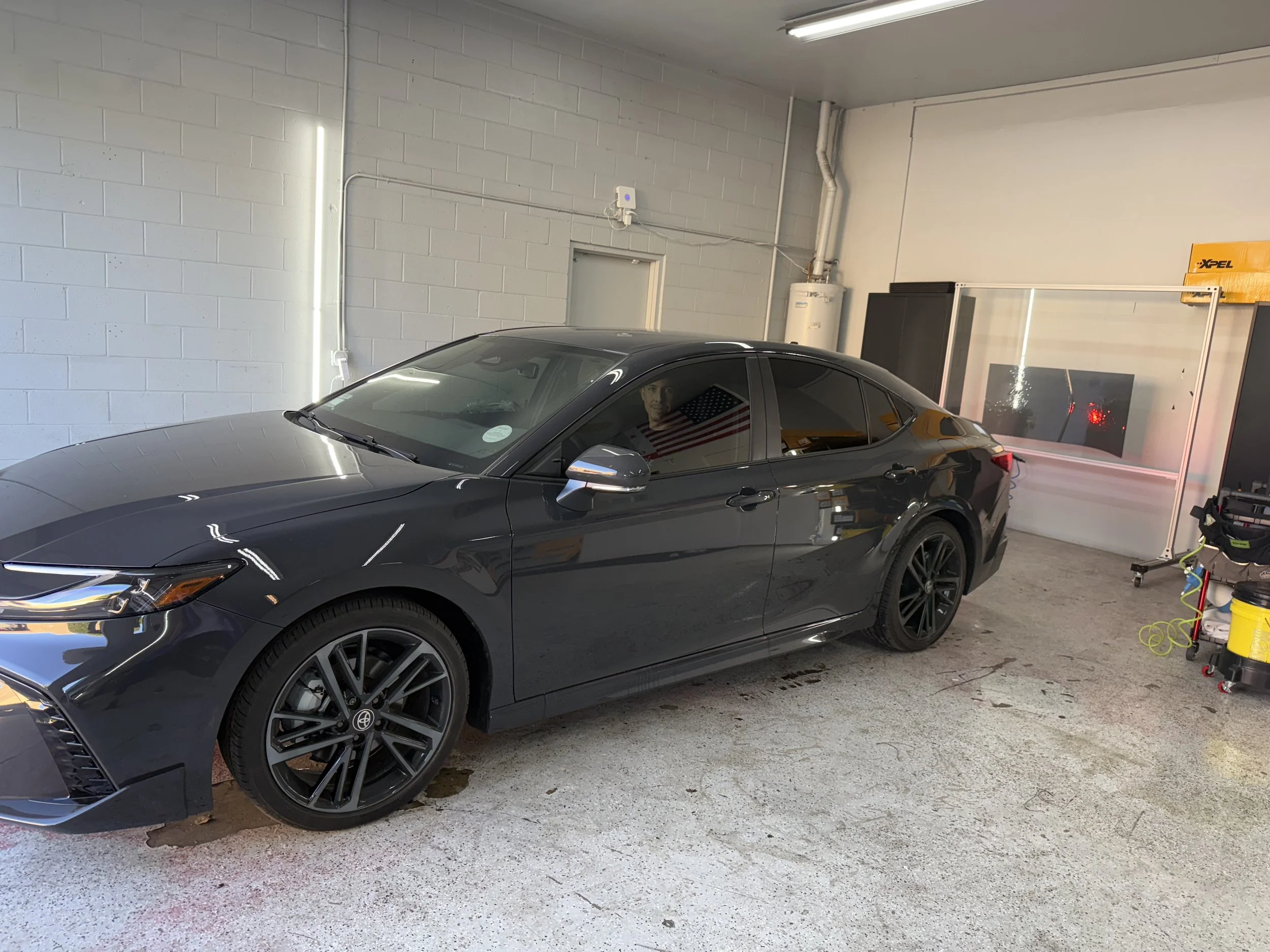
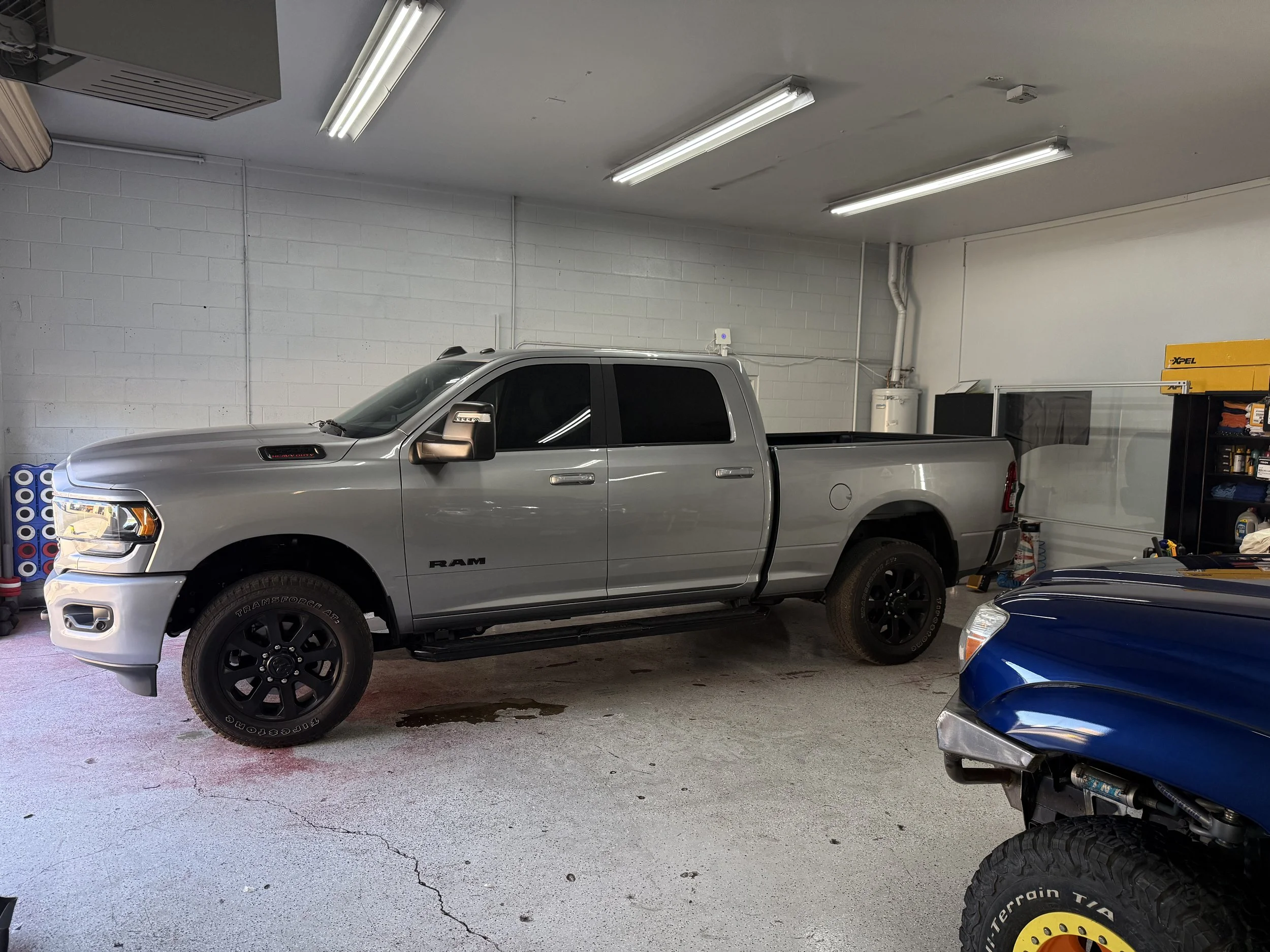
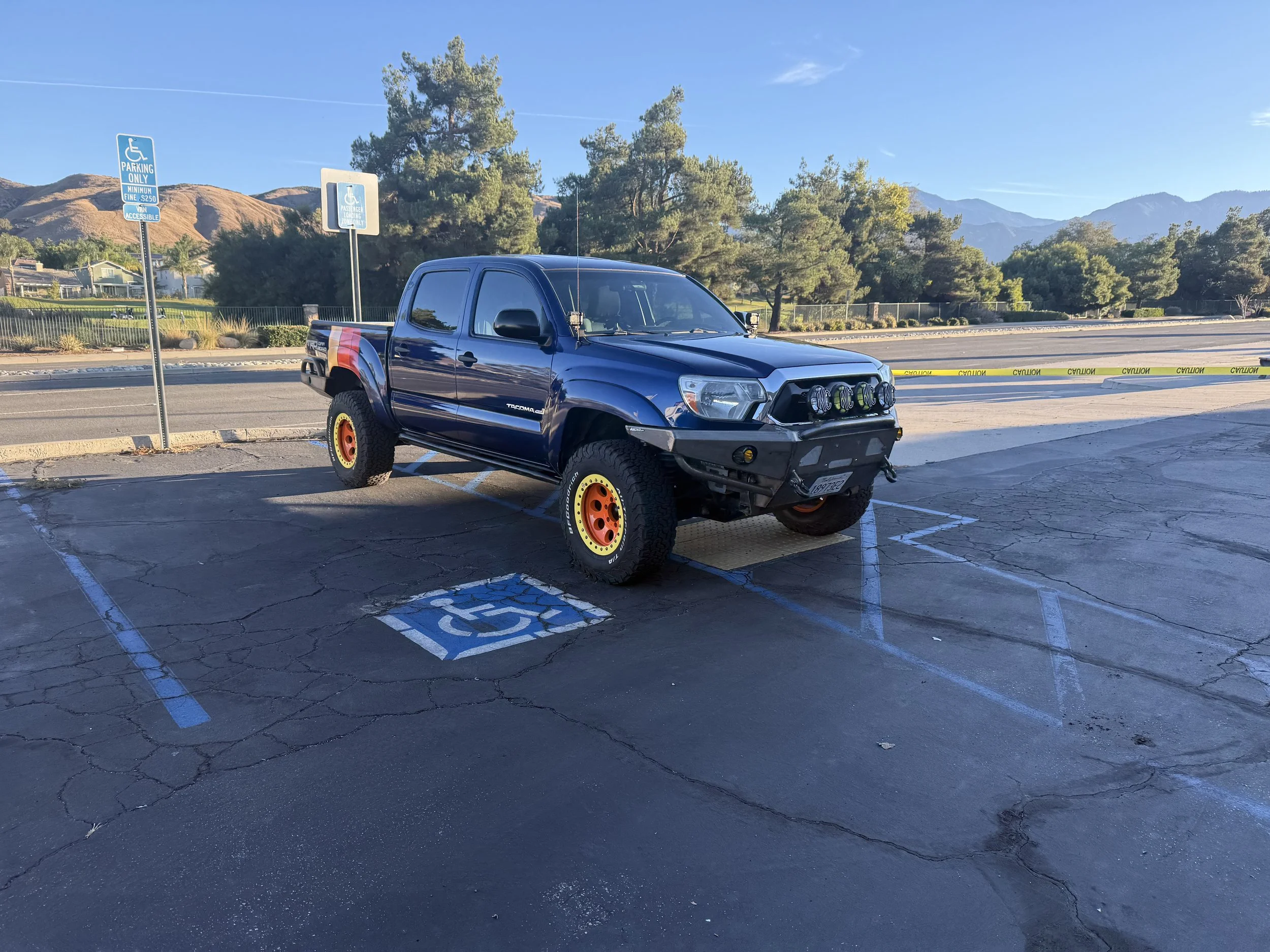
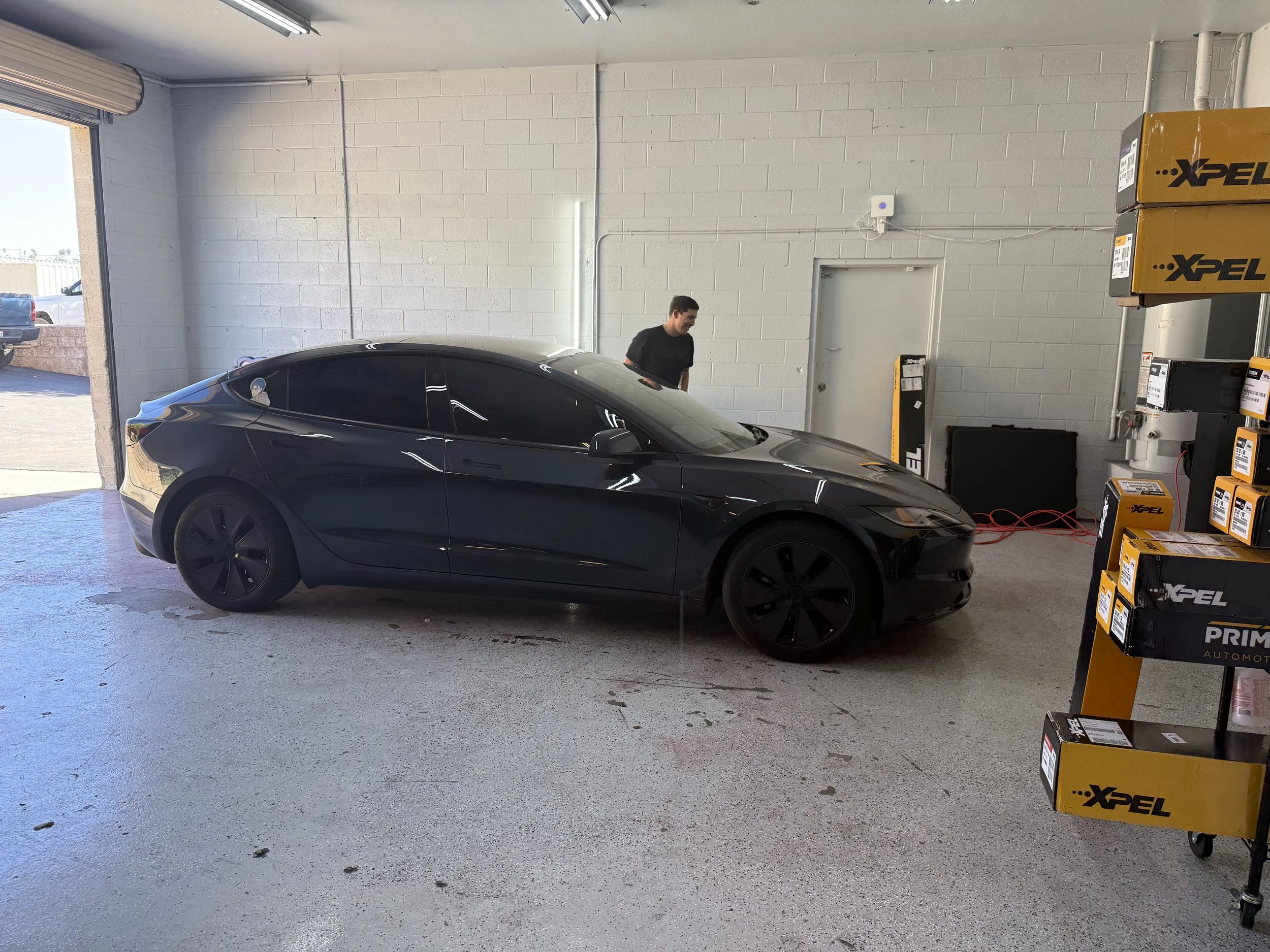
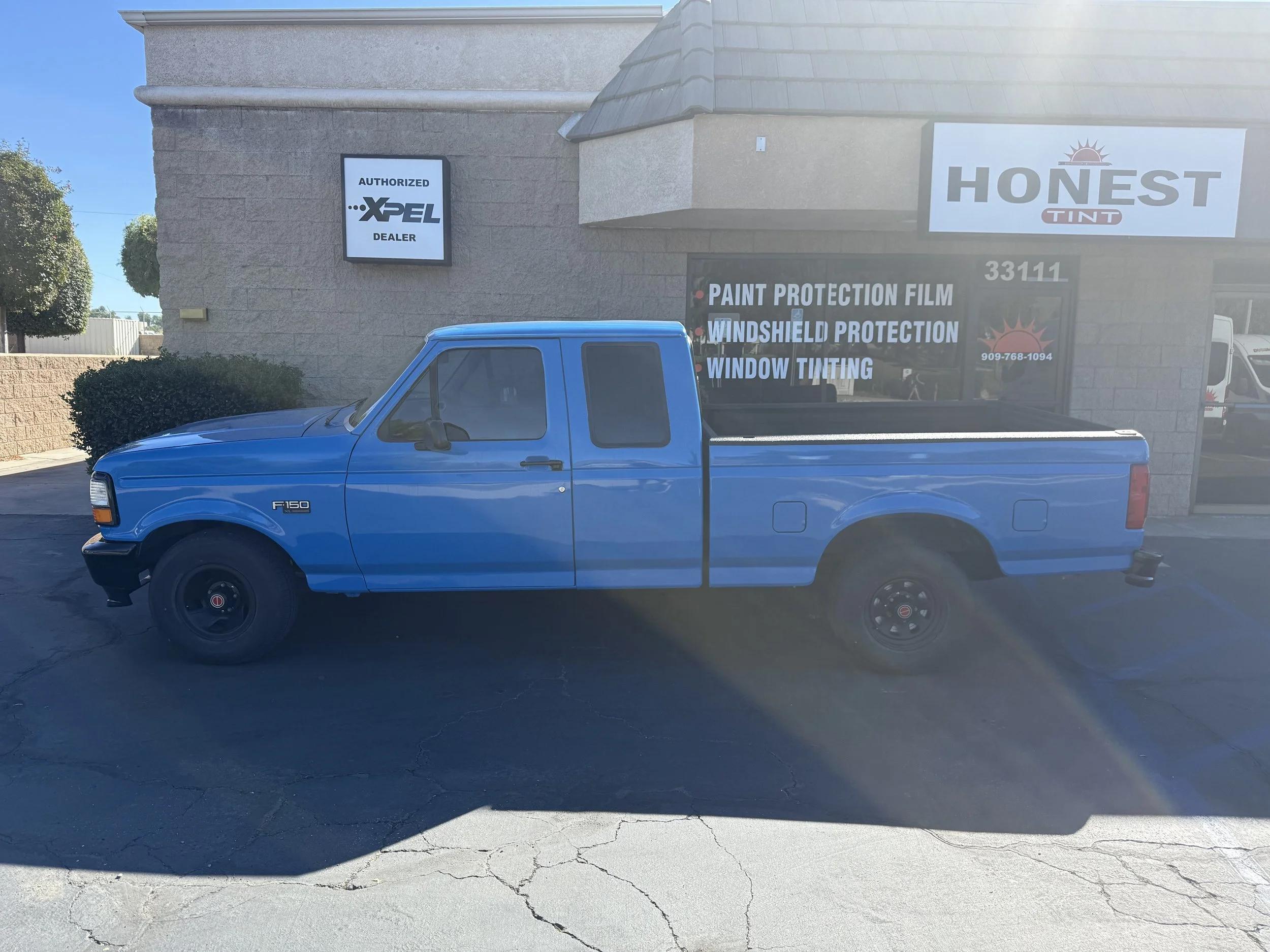
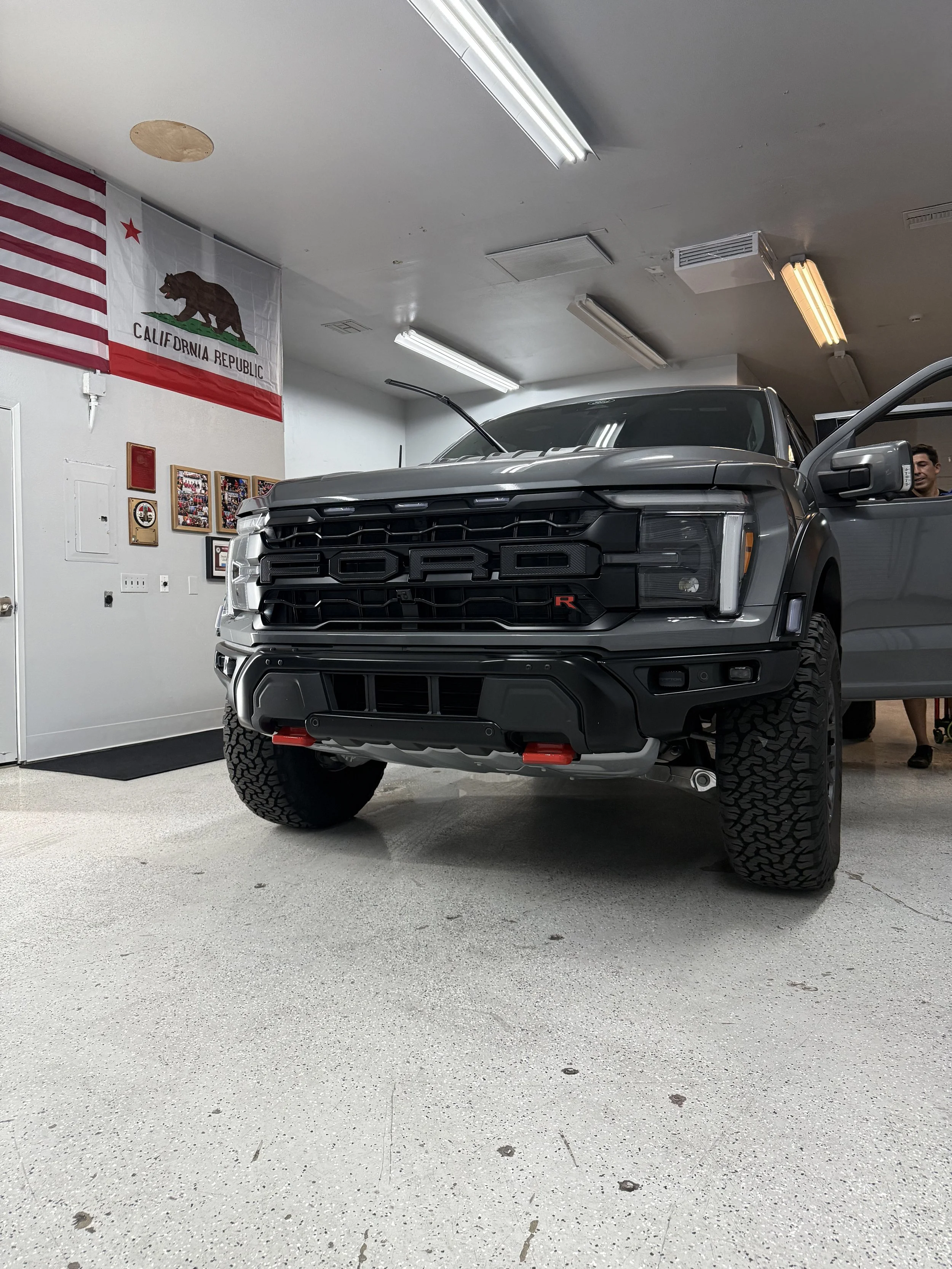
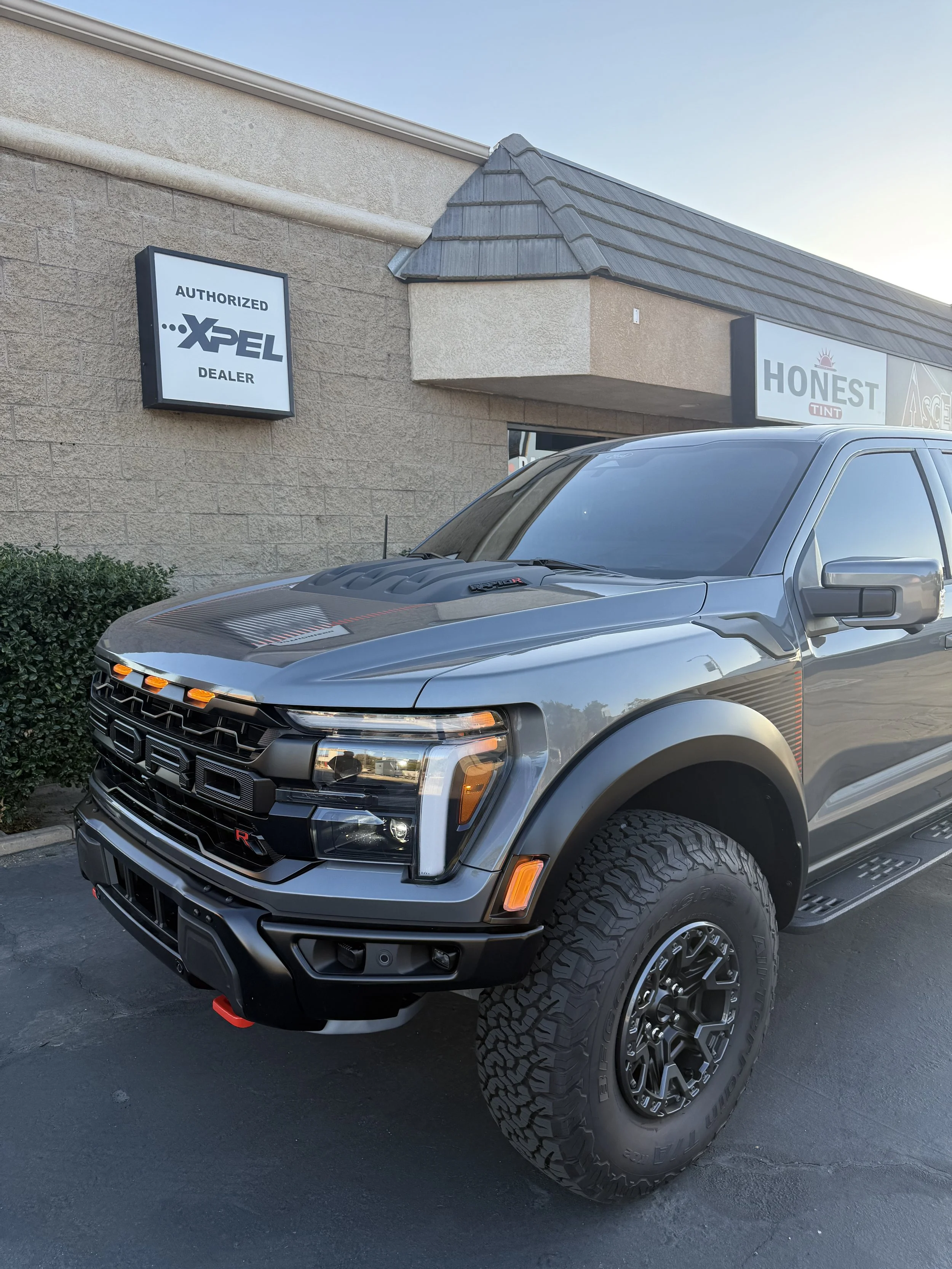
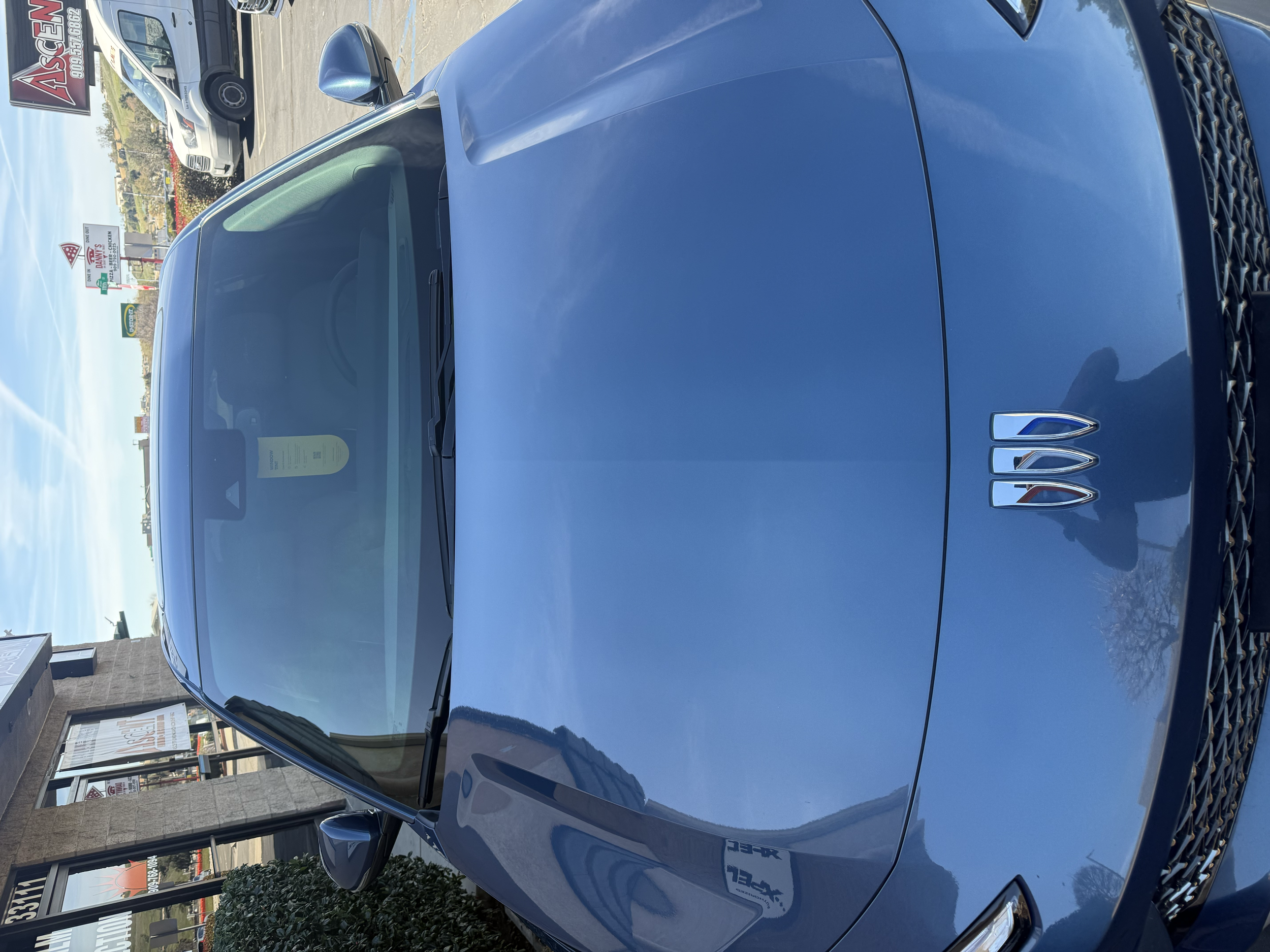
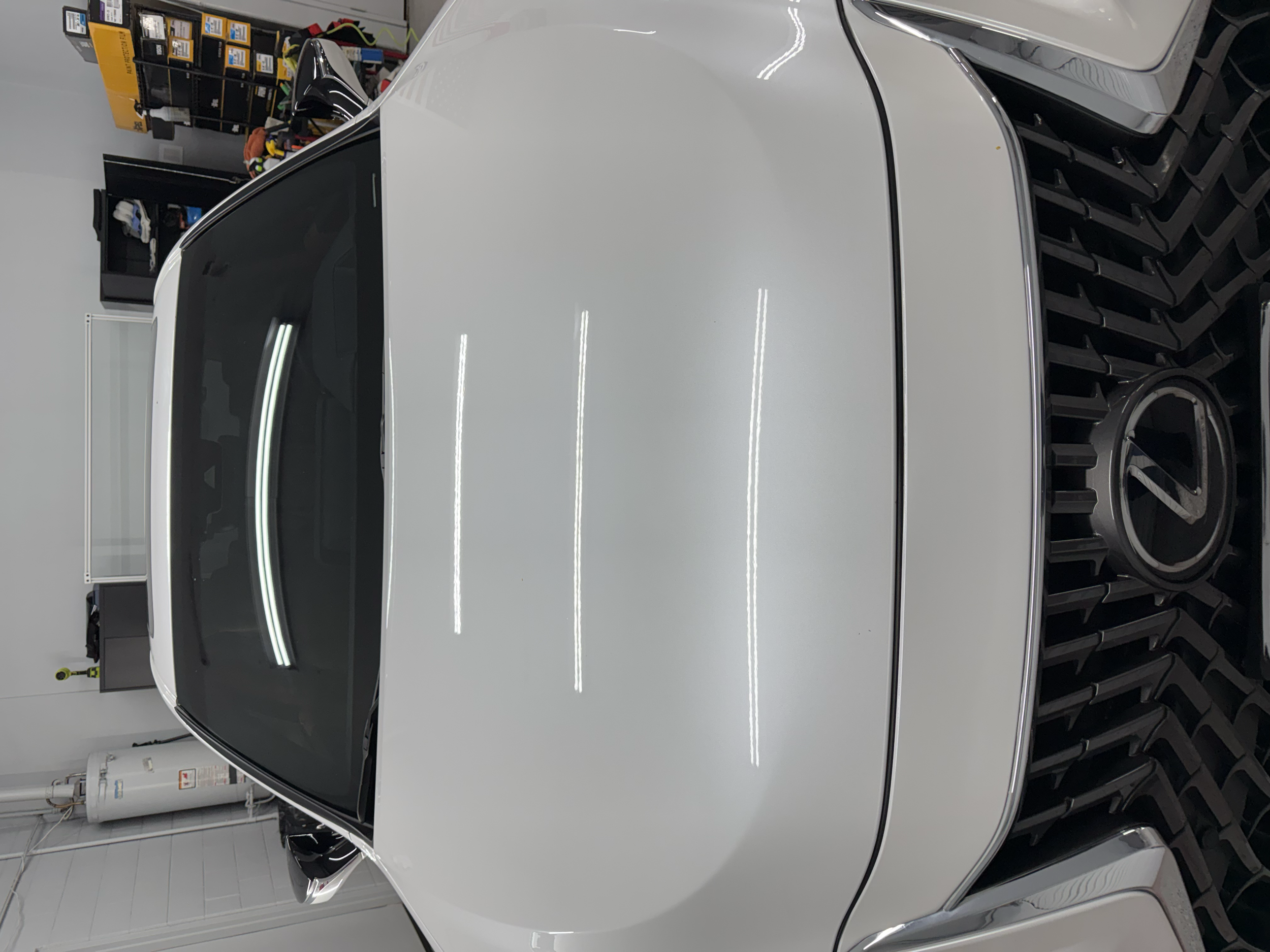
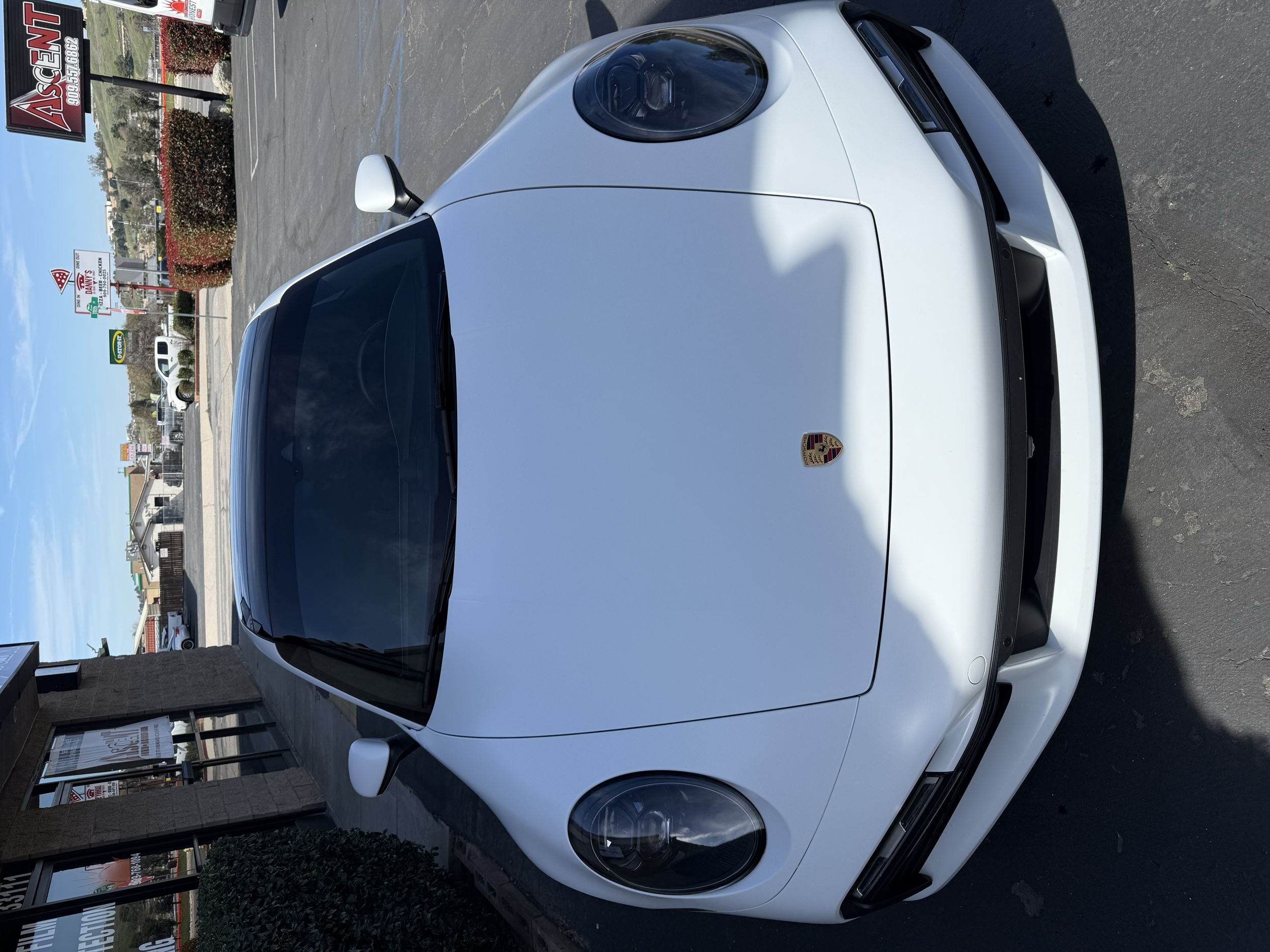
Awarded Best Window Film Installer For California 2026
Honest Tint & PPF placed 2nd in teams at the 2026 Tinter Battles. Second in the world first in CA. Find out why we keep placing against the best.
Why Do You Need Window Tint?
The Inland Empire sun isn’t subtle. It bakes your dashboard, fades your interior, heats your seats to uncomfortable levels, and sends UV rays straight through your windows every single day, even on cloudy ones.
Most people think window tint is about looks. And sure, freshly tinted car looks sharp. But the real reason to tint? Protection.
Your skin. UV rays don’t stop at your car window. Prolonged exposure while driving is a leading cause of UV related skin damage. All three Autobahn window tint options carried by Honest Tint block out up to 99% of harmful UV rays.
Your interior. Leather cracks. Dashboards warp. Upholstery fades. Heat and UV exposure break down your interior over time. Tint slows that process significantly.
Your Comfort. A car that’s been sitting in a Yucaipa parking lot in July is brutal to get into. Ceramic tint blocks a significant portion of solar heat before it ever gets inside. Honest Tint carries BLACK & i3+ top of the line nano ceramic tint.
Your privacy and security. What’s inside your car is your business. Tint keeps it that way, and makes your belongings less visible t anyone walking by.

Window tint isn’t an upgrade. It’s necessity. And in Southern California, it’s one of the smartest investments you can make for your vehicle.
Honest Tint & PPF the film installation specialist for the IE
FAQs
-
FAQ: Tint Laws in California
1. What is the legal limit for window tinting in California?
Front Windshield: Non-reflective tint is allowed on the top 4 inches of the windshield.
Front Side Windows: Must allow more than 70% of light in.
Back Side Windows: No restrictions; any tint darkness is allowed.
Rear Window: No restrictions; any tint darkness is allowed.
2. Are there any restrictions on reflective tints?
Yes, reflective tints are allowed, but they must be less reflective than a standard window. The front windows should not be more than 50% reflective.
3. Are there any medical exemptions for tinting?
Yes, individuals with certain medical conditions that require protection from sunlight can apply for a medical exemption to use darker tints. A signed form from a licensed physician is necessary.
4. What are the penalties for violating tint laws?
Violating window tint laws can result in a fix-it ticket, fines, and potential orders to remove the illegal tinting.
5. Do tint laws apply to commercial vehicles?
Yes, the same tint laws apply to all vehicles on the road in California, including commercial vehicles.
6. How can I ensure my tint is compliant with California laws
To ensure compliance, always consult with a licensed tinting professional at Honest Tint who is knowledgeable about California tint laws and can recommend appropriate products.
-
Q: What is the main difference between dyed tint and ceramic window tint?
A: Dyed tint uses a layer of dye to absorb heat and reduce glare. Ceramic tint uses nonmetallic ceramic particles to block heat, infrared (IR) and UV light more effectively while maintaining optical clarity and signal compatibility.
Q: How do they compare on heat rejection?
A: Ceramic rejects significantly more heat and IR than dyed. Expect noticeably better inside-cabin temperature reduction with ceramic films.
Q: Which offers better UV protection?
A: Both types typically block a high percentage of UV rays, but ceramic films generally provide superior and longer-lasting UV protection.
Q: What about visible light transmission and clarity?
A: Ceramic films maintain clearer, sharper optics with less discoloration and haze over time. Dyed films can appear darker initially but may lose clarity or fade over years.
Q: Will either tint interfere with radios, GPS, or cell signals?
A: Dyed films do not interfere. Some metallic films can cause interference; ceramic films like Black Ceramic are nonmetallic, so they won’t interfere with signals.
Q: Which lasts longer?
A: Ceramic films generally have better longevity and color stability. Dyed films are more prone to fading and discoloration over time.
Q: What about price?
A: Dyed tints (Black) are usually more budget-friendly. Ceramic tints (Black Ceramic and i3+) cost more but offer higher performance and durability.
Q: Which should I choose for my car?
A: Choose dyed (Black) if you want a low-cost option for basic glare reduction and privacy. Choose ceramic (Black Ceramic or i3+) if you want top-tier heat rejection, UV protection, long-term clarity, and no signal interference. For best results, have the film professionally installed by Honest Tint.
-
What is factory tint?
Factory tint refers to pigmented glass that comes installed from the vehicle manufacturer. The glass has a uniform tinting pigment added during production to reduce visible light transmission (make the glass appear darker) for privacy and glare reduction.
How is factory tint different from aftermarket window film?
Factory tint is integral to the glass (pigment mixed into or laminated with the glass during manufacturing). Aftermarket window film is a thin adhesive layer applied to the inside surface of existing glass.
Factory tint primarily reduces visible light; aftermarket films can provide additional benefits such as solar/UV/infrared rejection, heat reduction, safety, and security, depending on the film chosen.
Does factory tint block heat?
No. Pigmented factory glass reduces visible light but does not provide meaningful heat (infrared) rejection. The pigment darkens the glass to limit glare and increase privacy, but it does not reflect the infrared wavelengths responsible for most solar heat. If you want measurable heat rejection (cooler cabin temperatures and reduced AC load), you need aftermarket solar/IR-rejecting films like XR BLACK or XR PLUS.
Does factory tint block UV rays? Factory tint may offer some UV reduction because all automotive glass blocks certain UV wavelengths to varying degrees, but pigmented glass alone is not optimized for UV protection.
Will factory tint prevent fading of interior surfaces?
Only partially. Because factory tint does not effectively reject heat and may only modestly reduce UV, it offers limited protection against fading. For stronger fade protection, choose an aftermarket film with high UV and infrared rejection.
Can I add aftermarket tint over factory tinted glass?
Yes. You can apply aftermarket window film to factory-pigmented glass. Honest Tint can help keep the look of factory tint by choosing lighter shades of nano ceramic tint that will still providing excellent heat rejection.
